The recent surge of Iranian ballistic missile strikes against Israel represents more than a localized flare-up. It is a calculated demolition of the quiet diplomatic channels that have historically kept the Middle East from a total regional firestorm. While public attention fixates on the orange glows over Tel Aviv and the roar of Iron Dome interceptors, the real story lies in the calculated rejection of the "negotiation" narrative currently circulating in Western political circles. Tehran is no longer playing the game of strategic patience. They are actively signaling that the era of the backchannel is dead.
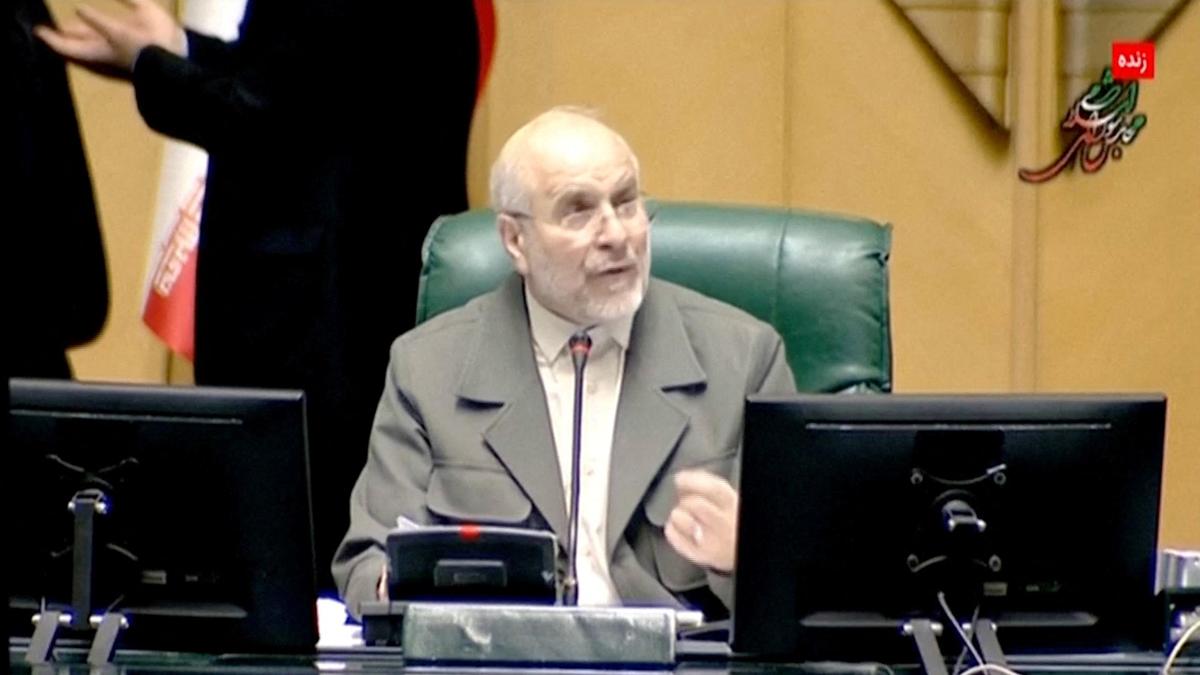
Iran has characterized recent talk of renewed negotiations as nothing more than a strategic distraction. By dismissing these overtures as "fake news," the Iranian leadership is telegraphing a fundamental shift in their doctrine. They are moving away from the "shadow war" of proxies and cyberattacks toward a posture of direct, kinetic confrontation. This isn't just about regional hegemony anymore; it is about testing the structural integrity of Western defense umbrellas in a world where old-school diplomacy has lost its teeth.
The Technical Reality of the Missile Wave
To understand the gravity of the situation, one must look past the headlines and into the telemetry. This wasn't a symbolic gesture. The sheer volume of the salvos was designed to achieve something known in military circles as saturation.
When a defense system like the Arrow 3 or David’s Sling engages an incoming threat, it isn't just a matter of hitting a target. It is a mathematical race. Every interceptor fired is a finite resource. By launching hundreds of projectiles simultaneously, Iran aims to find the "leakage point"—the moment when the defense's processing power or physical magazine capacity fails.
The missiles used in these recent waves represent a significant leap in Iranian domestic aerospace capabilities. We are seeing more frequent use of solid-fuel motors, which allow for rapid deployment and shorter launch cycles. Unlike older liquid-fueled variants that required lengthy, visible preparation, these assets can be moved and fired with minimal warning. This reduces the "kill chain" time available for preemptive strikes by Israeli or Allied forces.
The Myth of Modern Intercept Rates
There is a dangerous tendency in modern reporting to treat missile defense as a perfect shield. It is not. Defense is always more expensive and technically demanding than offense. An interceptor missile often costs five to ten times as much as the "dumb" rocket or drone it is meant to destroy. Iran understands this economic asymmetry perfectly. They are forcing their adversaries to burn through billions of dollars in high-tech munitions to stop hardware that is relatively cheap to mass-produce.
Diplomacy as a Tactical Weapon
The dismissal of negotiation talks by Tehran isn't just posturing. It is a recognition that the leverage of the 2015 nuclear deal era has evaporated. In previous cycles, a surge in violence was often a prelude to a seat at the table—a way to "raise the price" of a deal. That logic has been inverted.
Currently, the Iranian establishment views Western talk of a "new deal" or "negotiated settlement" as a way to freeze their tactical gains while the West reshuffles its own regional assets. By labeling these rumors as "fake news," they are effectively closing the door on the traditional "de-escalation" loop.
- Internal Pressures: The hardline factions within the Revolutionary Guard (IRGC) have gained significant ground. To them, diplomacy is a sign of weakness that invites further pressure.
- The Russia-China Pivot: Iran is no longer looking solely toward the West for economic or political relief. Their deepening ties with Moscow—exchanging drone technology for advanced fighter jets—and their energy deals with Beijing provide a cushion that wasn't there a decade ago.
- Proxy Fatigue: The "Ring of Fire" strategy, which relied on groups in Lebanon, Yemen, and Iraq, has hit a ceiling. Direct Iranian involvement is now seen by Tehran as the only way to maintain deterrence.
The Intelligence Gap
We are witnessing a massive breakdown in predictive intelligence. For months, the consensus was that Iran would avoid a direct confrontation to protect its nuclear infrastructure. That assumption has proven wrong. The "rational actor" model used by Western analysts often fails to account for the internal ideological pressures of a regime that feels increasingly backed into a corner.
When a state feels that its survival is at stake regardless of its actions, the risk-reward calculation shifts toward the extreme. The missile waves are an expression of this shift. They are meant to prove that no part of the region is beyond their reach, regardless of how many carrier strike groups are stationed in the Mediterranean.
The Role of Cyber Warfare in Kinetic Strikes
It is a mistake to view these missile launches in isolation. Every physical strike is accompanied by a massive, unseen offensive in the digital realm. As the missiles are in the air, Iranian-linked hacking groups are consistently targeting civil infrastructure, early-warning systems, and communication networks.
The goal is cognitive dissonance. If you can't disable the missile defense system, you target the civilian population's sense of security. You flood social media with misinformation, jam GPS signals to disrupt emergency services, and attempt to create a sense of chaos that outpaces the physical damage of the missiles themselves.
The Infrastructure Vulnerability
While the world watches the military bases, the real danger lies in the "dual-use" infrastructure. Power grids, water desalination plants, and port facilities are the true targets of a prolonged escalation. If Iran decides to move beyond symbolic strikes against military targets and starts hitting the economic heart of the region, the global consequences will be immediate.
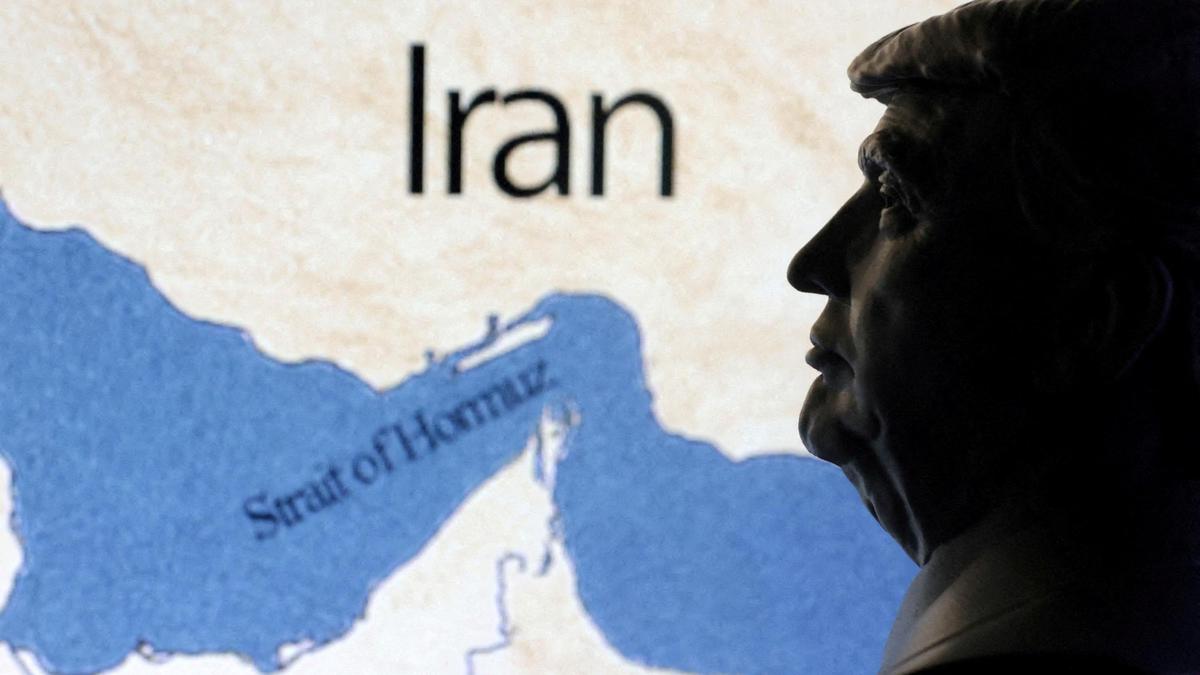
Consider the Strait of Hormuz. A significant portion of the world's oil and liquefied natural gas (LNG) passes through this narrow chasm. If the missile conflict spills over into the maritime lanes, the "negotiations" everyone is talking about won't matter. The global economy will face a shock that makes the 2008 crisis look like a minor market correction.
The Failure of Deterrence
Deterrence only works if the threat of retaliation is both credible and unbearable. For years, the threat of an Israeli or American strike on Iranian soil was enough to keep the conflict in the shadows. That threshold has been crossed. Iran has now directly attacked Israel multiple times from its own territory, and the sky didn't fall.
This creates a "new normal" that is incredibly volatile. If direct strikes become a standard part of the regional toolkit, the chances of a miscalculation—a missile hitting a crowded apartment block or a hospital—increase exponentially. Once that happens, the political pressure on both sides to escalate to "total war" becomes nearly impossible to resist.
The Technological Arms Race
The battlefield is a laboratory. Every time Iran launches a wave of missiles, they are gathering data. They see how the Iron Dome radars behave. They see which flight paths are the most effective. They are effectively "crowdsourcing" their R&D in real-time against the most advanced defense systems in the world.
Conversely, the West is learning too. But the learning curve for the attacker is often steeper. It is easier to find a flaw in a shield than it is to build a shield that covers every possible angle of attack.
The Political Deadlock in Tehran
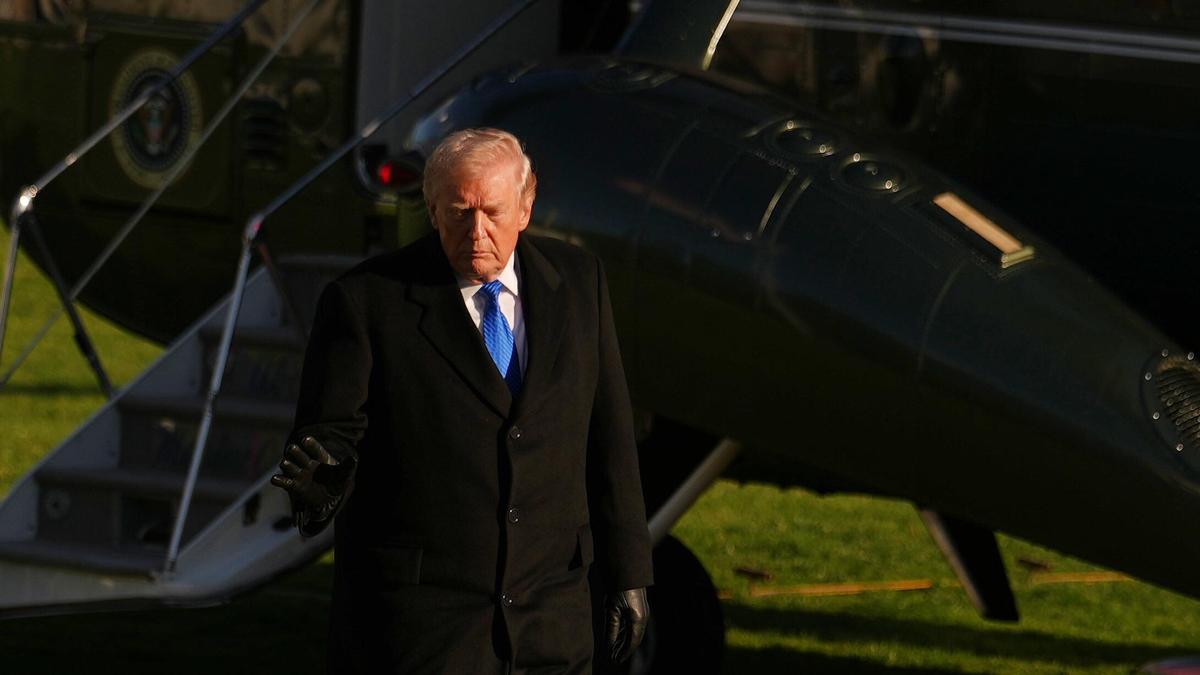
The dismissal of Trump’s talk of negotiations isn't just about the man; it’s about the system. There is a profound lack of trust in the durability of any Western commitment. From Tehran's perspective, why negotiate a deal that can be shredded by the next administration? This "consistency gap" in Western foreign policy has empowered the most radical elements of the Iranian leadership.
They are betting on the fact that the West is weary of "forever wars." They believe that if they can endure the initial retaliatory strikes, they can win a war of attrition. They are banking on the idea that the internal political divisions in the United States and Europe will eventually force a withdrawal or a reduction in support for Israel.
The Strategic Shift
We are moving into an era of "unmediated conflict." The old guard of diplomats who had each other’s phone numbers is being replaced by generals and operational commanders. The language being spoken now isn't one of treaties and protocols; it is the language of range, payload, and circular error probable (CEP).
The missiles are the message. They are saying that the time for talk is over, and the time for a fundamental reordering of the Middle Eastern power structure has begun. This isn't a situation that can be "managed" with a few more sanctions or a sternly worded UN resolution.
The current trajectory points toward a sustained, high-intensity conflict that will rewrite the rules of international engagement. The refusal to negotiate isn't a bluff. It is a declaration of intent. As the batteries reload and the satellites reposition, the window for a non-kinetic solution isn't just closing—it has been welded shut.
The only question remaining is how far both sides are willing to go before the cost of the conflict outweighs the perceived benefits of victory. Given the current ideological climate in both Tehran and Jerusalem, that tipping point is much further over the horizon than anyone wants to admit.
Monitor the movement of mobile launch platforms in the eastern provinces of Iran. When those units start moving in synchronized patterns, the next wave won't be about "fake news" or diplomatic posturing—it will be about the cold, hard reality of total regional transformation.