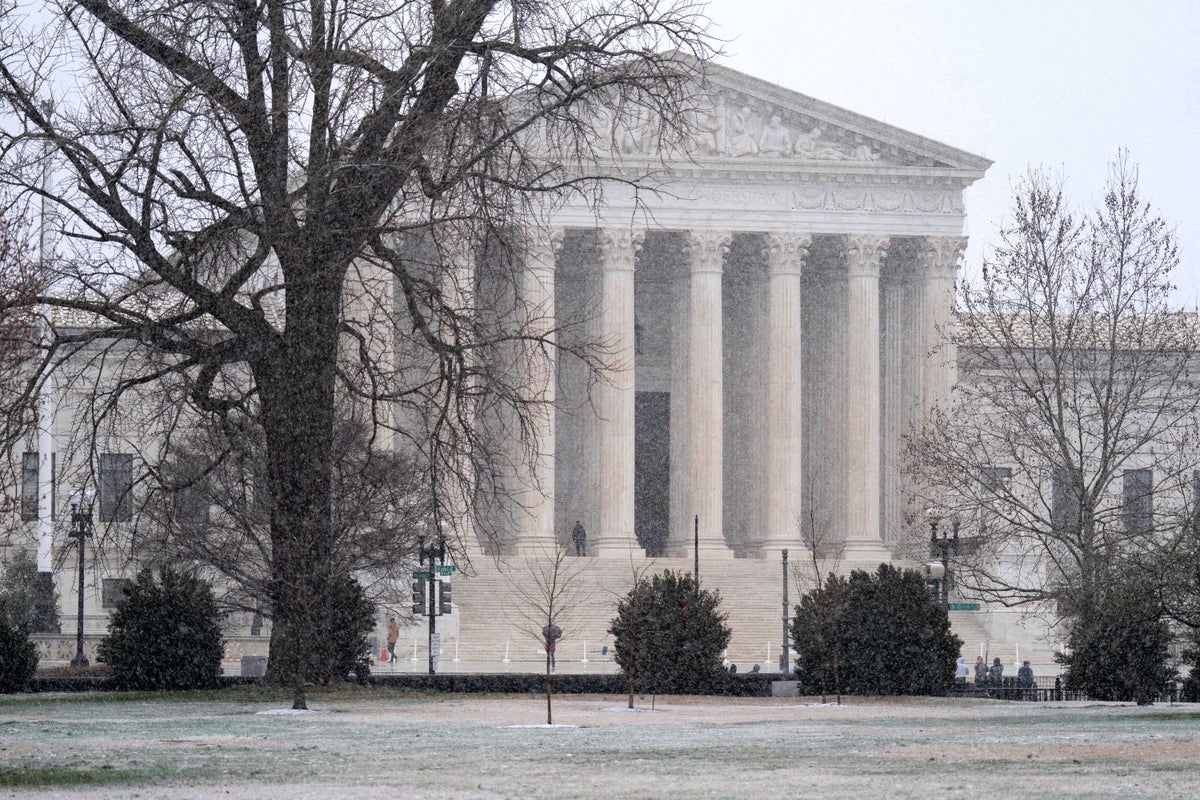
Winning a legal battle six times sounds like a nightmare, but for Curtis Flowers, it was a 23-year journey through a system that seemed dead set on excluding people who looked like him. The U.S. Supreme Court's decision to toss his conviction wasn't just about one man. It was a blunt rejection of a prosecutor's "relentless" effort to keep Black jurors off the case. If you think the legal system is always blind, this case is the ultimate reality check.
The math of exclusion
Numbers don't lie, and in this case, they scream. Over the course of six trials for a 1996 quadruple murder, District Attorney Doug Evans struck 41 of the 42 Black prospective jurors he encountered. Think about that for a second. That's a 98% strike rate. In the first three trials, Evans managed to seat exactly zero Black jurors. Each of those convictions was eventually overturned because of prosecutorial misconduct, yet the state kept letting the same guy try the same case with the same tactics.
By the sixth trial, Evans got "generous" and allowed one Black juror onto the panel. But he used five of his six peremptory strikes to remove every other Black candidate. The Supreme Court saw right through it. Justice Brett Kavanaugh, writing for the 7-2 majority, noted that the state's pattern wasn't just a coincidence—it was a strategy.
Different questions for different races
One of the most damning pieces of evidence wasn't just who was struck, but how they were treated during questioning. The prosecution's behavior looked like a scripted double standard.
- The 29-to-1 Gap: Prosecutors asked the five Black jurors they struck a total of 145 questions. That’s an average of 29 questions each.
- The White Juror Pass: For the white jurors who actually got seated, the average was exactly one question.
It's pretty obvious what was happening. They were fishing for any excuse—no matter how flimsy—to disqualify Black candidates while giving white candidates a free pass. They asked Black jurors about their relationships with witnesses or the defendant's family with an intensity that bordered on harassment, while ignoring similar connections held by white jurors.
Why this isn't just about one trial
You might wonder why the Supreme Court even took this case if it "broke no new legal ground," as Kavanaugh put it. The reason is that the lower courts in Mississippi kept ignoring the obvious. The Batson v. Kentucky ruling from 1986 is supposed to stop this. It says you can't kick someone off a jury just because of their race. But in practice, prosecutors often just invent a "race-neutral" reason—like "they looked nervous" or "they go to the same church"—to get around the rule.
In the Flowers case, the "extraordinary facts" made it impossible to ignore the bias. You had the same prosecutor, the same defendant, and a two-decade-long paper trail of discrimination. Allowing the conviction to stand would have turned Batson into a joke. It would’ve told every prosecutor in the country that as long as you're persistent enough, you can eventually get the all-white jury you want.
The dissenting view
Not everyone on the bench agreed. Justice Clarence Thomas, joined by Justice Neil Gorsuch, argued that the Court shouldn't have even taken the case. Thomas claimed there were legitimate, non-racial reasons to strike those jurors. He even suggested that the Batson rule itself is flawed because it interferes with the tradition of peremptory strikes—where lawyers can cut jurors based on a "gut feeling." Honestly, it’s a take that feels wildly out of touch given the statistical mountain Evans built over 20 years.
What happens now
Curtis Flowers is finally free. After the Supreme Court ruling, the state of Mississippi eventually dropped all charges against him in 2020. He spent over two decades on death row for a crime he says he didn't commit, primarily because a prosecutor couldn't fathom a jury that reflected the actual community.
If you're following the legal system, keep an eye on how "race-neutral" reasons are used in your local courts. The Flowers case proved that even the highest court in the land has a limit, but it took six trials and 23 years to get there. That's not a success story for the system; it's a warning.
- Watch the Jury Selection: If you ever serve on a jury, pay attention to the "voir dire" process. It's where the real power of the trial often lies.
- Support Local Oversight: Prosecutors like Doug Evans operate with massive amounts of discretion. Accountability usually only happens when local voters or higher courts step in.
- Understand your rights: The Batson challenge is the primary tool against jury bias. It's fragile, but as this case shows, it’s sometimes the only thing standing between a defendant and an unfair trial.