The headlines are screaming again. Iran threatens the Strait of Hormuz. Oil prices tremble. The Pentagon moves a carrier group. We have seen this movie every five years since 1979, and every time, the "experts" fall for the same tired script.
If you believe Tehran is actually going to shutter the world’s most vital energy artery because of a Trump ultimatum or a utility strike, you aren't paying attention to the math. You’re reacting to the theater. Closing the Strait isn't a strategic move; it is a suicide pact that Iran has no intention of signing.
The lazy consensus suggests that Iran holds a "kill switch" for the global economy. They don't. They hold a handful of firecrackers and a very loud megaphone.
The Economic Ghost in the Machine
Let’s start with the most basic misunderstanding: the idea that Iran can survive a closed Strait longer than the West can.
Iran’s economy is a fragile mosaic of illicit oil sales, mostly to China. When you block the Strait of Hormuz, you aren't just stopping Saudi crude or Kuwaiti tankers. You are stopping every single drop of Iranian condensate that keeps their regime’s heart beating. They would be self-embargoing.
China, Iran’s only meaningful patron, imports roughly 1.5 million barrels per day from them. Do you honestly think Beijing will sit quietly while their primary "resistance" partner chokes off the energy supply required to run Chinese factories? A closure of the Strait is a declaration of economic war against China, not just the United States.
I’ve watched analysts calculate "oil at $200" as if that’s a win for Iran. It’s not. High prices mean nothing if your volume is zero because you’ve welded your own front door shut.
The Myth of Total Maritime Control
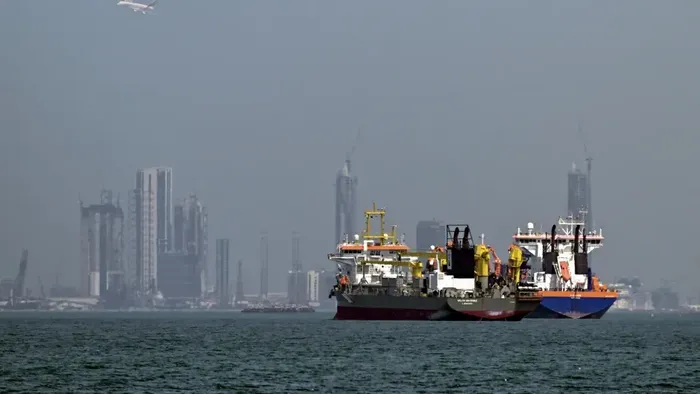
The "entire Strait" cannot be closed with a few mines and some fast boats. This isn't a narrow canal in a backyard; it’s a 21-mile-wide waterway with deep-water shipping lanes.
Military theorists love to talk about "anti-access/area denial" (A2/AD). It sounds sophisticated. In practice, it’s a game of whack-a-mole where the moles are Iranian Silkworm missile batteries and the hammer is a U.S. Navy fifth fleet that has spent forty years practicing for this exact 48-hour window.
To actually "close" the Strait, Iran would need to maintain constant, unchallenged superiority over the water and the air. They have neither.
- Mines? We have autonomous underwater vehicles (AUVs) and minesweepers that can clear lanes faster than Iran can replenish them.
- Fast Attack Craft? They are effective against defenseless tankers, but they evaporate the moment a Phalanx CIWS or a Hellfire missile enters the chat.
- Land-based Missiles? These have a "first-shot" advantage. After that, their GPS coordinates are burned into the memory of every B-21 and F-35 in the theater.
The moment Iran fires the first shot to block international transit, they lose their entire navy within 72 hours. They know this. General staff in Tehran are many things, but they are not mathematically illiterate.
The Utility Strike Distraction
The competitor piece mentions strikes on utilities and U.S. companies. This is another area where the fear-mongering outweighs the reality of modern infrastructure resilience.
Yes, a cyberattack on a power grid or a physical strike on a desalination plant in the Gulf is disruptive. It’s messy. It’s "news." But it isn't a strategic victory. The U.S. and its partners have spent the last decade diversifying energy grids and hardening SCADA systems.
When Iran talks about hitting U.S. companies, they are talking about asymmetric harassment. It's meant to drive up insurance premiums and scare shareholders. It is not meant to win a war. If you are a CEO worrying about your Dubai office because of a tweet from a Revolutionary Guard commander, you are falling for the psychological operation.
The Trump Factor and the Art of the Escalation Ladder
The media portrays the Trump ultimatum as a "trigger" for Armageddon. In reality, it’s a recalibration of the escalation ladder.
The previous "strategic patience" model allowed Iran to slowly increase its influence via proxies without ever facing a direct cost. The current friction is a return to "maximum pressure," which forces Tehran into a corner where their only weapon is rhetoric.
When you have no real moves left, you scream about the biggest move possible. That is what the Strait of Hormuz threat is: the scream of a cornered player with a losing hand.
The True Vulnerability: The "Shadow Fleet"
If you want to worry about something, don't worry about a total blockade. Worry about the "grey zone" friction.
Iran doesn't want to stop the world's oil; they want to tax it through chaos. They want to seize a tanker here, harass a drone there, and keep the "risk premium" on oil high enough to fund their budget.
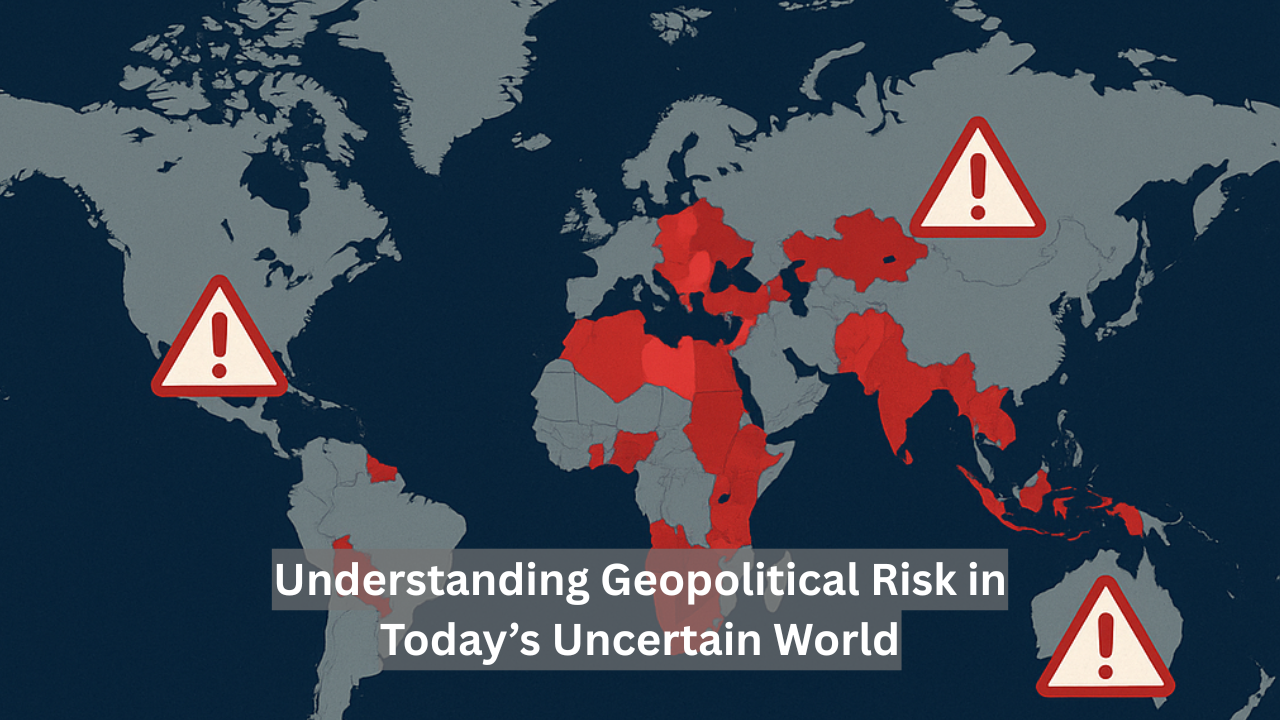
The real danger isn't a closed Strait; it’s a world where we let them believe their threats are credible. Every time a major news outlet publishes a map showing "The Chokepoint of the World" in bright red, they hand Tehran a billion dollars in leverage they didn't earn.
The Reality of 2026
We are in 2026. The energy map has shifted. The U.S. is a net exporter. The East-West pipelines across Saudi Arabia can bypass the Strait for a significant portion of their export capacity. The "oil weapon" is a rusted relic of 1973.
If Iran closes the Strait, they cease to exist as a modern state within a week. Their refineries will be targeted, their ports will be mined by the opposition, and their people—already simmering with domestic unrest—will be left without power or food.
Stop reading the doom-porn. The Strait stays open because the people threatening to close it like living more than they like grandstanding.
Bet on the math, not the headlines. The oil will flow. The tankers will move. The "ultimatum" will pass, and we will be back here in another few years, listening to the same empty threats from the same desperate actors.
Stop asking if the Strait will close. Start asking why you still believe it could.