Slovenia's intelligence agency just dropped a "bombshell" that surprised absolutely no one: they’ve "unequivocally confirmed" foreign influence in their recent parliamentary elections. The finger-pointing at Black Cube—a private Israeli intelligence firm—is the latest chapter in a tired European playbook. From Hungary to Moldova to Germany, the narrative is always the same. When a centrist government stumbles or a populist surge defies the polls, we don’t look at the policy failures or the crumbling social contract. No, we look for the man behind the curtain.
It is time to dismantle the comfortable delusion that "foreign interference" is the primary driver of democratic instability. By obsessing over "para-intelligence agencies" and Russian botnets, we are ignoring the reality that our political systems are being disrupted from the inside out, often by the very people claiming to protect them.
The Myth of the Vulnerable Voter
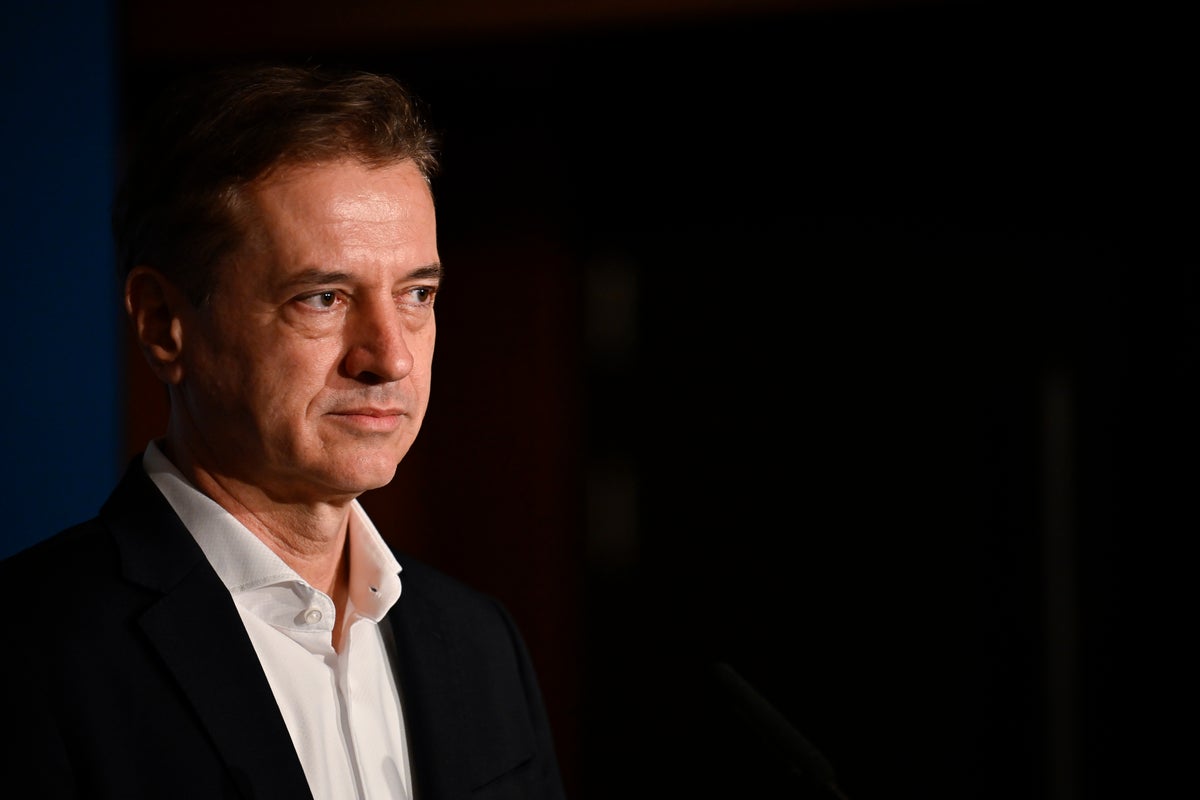
The standard media consensus treats the European voter like a mindless drone, incapable of discerning a deepfake from a press release. In Slovenia, the "scandal" centers on secretly recorded videos showing government-linked figures boasting about political connections. Prime Minister Robert Golob calls this a "grave instance of foreign information manipulation."
Let’s be precise: revealing that politicians are self-serving or corrupt isn't "manipulation"—it’s journalism, even if the source has a shady passport. If a leaked recording of a politician being a hack changes a voter's mind, the problem isn't the leaker. The problem is the politician.
We have entered an era where "foreign influence" has become the ultimate get-out-of-jail-free card for incumbents. Lose an election? It was a Russian troll farm. Polls looking grim? It’s a Black Cube psyop. This isn't just lazy; it’s a dangerous evasion of accountability. When we label every inconvenient leak or populist sentiment as "foreign-driven," we effectively disenfranchise the local population by suggesting their grievances aren't real—they’re just programmed.
The Black Cube Distraction
Black Cube is the new Bogeyman of the 2020s. Yes, they are a private intelligence firm for hire. Yes, they have a history of aggressive, borderline-legal tactics. But the idea that a handful of operatives visiting Ljubljana four times can topple a European democracy is a fantasy.
I’ve watched governments waste millions on "counter-disinformation" units that do nothing but catalog tweets. In my experience, these units are rarely about national security and almost always about narrative control. They don’t stop "influence"; they just map it to justify more surveillance and more centralized control over the digital town square.
Consider the "evidence" in the Slovenian case. Intelligence agency SOVA claims to have "presented concrete activities." Translated from spook-speak, that usually means they tracked some IP addresses and identified a few shell companies. It doesn't prove that the foreign agency created the political rift; they simply exploited an existing one.
The Sovereignty Paradox
European leaders like Emmanuel Macron are now calling for EU-wide guidelines to fight interference. On the surface, it sounds noble. In practice, it’s a move toward a "Digital Maginot Line"—a massive, centralized bureaucracy designed to decide what information is "legitimate" and what is "foreign."
There is a deep irony here. To protect "sovereignty" from foreign spies, these governments are willing to hand over the keys to their information ecosystems to a supra-national body in Brussels.
- The Infrastructure of Suppression: We are building the exact tools of censorship that we criticize in autocracies.
- The Definition of "Foreign": When does a domestic activist using a foreign VPN become a foreign agent? The lines are intentionally blurred to catch dissidents in the same net as spies.
- The Stifling of Nuance: In the rush to label everything "FIMI" (Foreign Information Manipulation and Interference), we lose the ability to have actual political disagreements.
If we want to talk about "foreign influence," let’s talk about the billions in "democracy promotion" funds that flow from Washington and Brussels into NGOs across Eastern Europe. We call that "support." When the other side does it, we call it "interference." The mechanics are identical; only the intent—and the side of the fence you sit on—changes.
Why We Should Stop Trying to "Fix" Disinformation
The current obsession with "fixing" the information landscape through bans, embargos, and AI-detection is a fool's errand. You cannot code your way out of a trust deficit.
Imagine a scenario where a government successfully blocks every single foreign bot and silences every private intelligence firm. Would the voters suddenly trust the Prime Minister again? Of course not. The trust was broken by inflation, by housing crises, and by a perceived disconnect between the elite and the citizenry.
The harder you squeeze the information flow, the more you validate the "insurgents." If you tell people they only believe what they believe because they were "manipulated" by a foreign power, you haven't won an argument. You’ve just told half your population that they are too stupid to think for themselves. That is how you turn a populist movement into a revolution.
The Brutal Truth About Resilience
We talk about "democratic resilience" as if it’s a software update. It isn't. Resilience comes from a high-trust society. You get trust by being transparent, not by hiding behind intelligence reports.
- Transparency over Secrecy: Instead of "confirming" foreign influence via classified reports, release the raw data. Let the public see what was manipulated.
- Admit the Vulnerability: Stop pretending our institutions are perfect. If a 30-second TikTok can "undermine" your democracy, your democracy was already on life support.
- Decentralize Information: The more we try to create a "single source of truth," the more power we give to whoever controls that source.
The real threat to European elections isn't a guy in an office in Tel Aviv or Moscow. It’s the growing realization among the public that their own leaders find it easier to blame ghosts than to look in the mirror.
Stop looking for spies in the server logs and start looking for the reasons why your own people are so willing to believe the worst about you. The interference is coming from inside the house.
Would you like me to analyze the specific funding structures of the NGOs currently being labeled as "foreign agents" in the latest Eastern European legislative shifts?