You’d think in 2026, a rewards member with a global hotel chain wouldn't have to worry about being kicked out of a room they already paid for. But for LeRon “Rocky” Turner, a Dayton truck driver and youth football coach, a broken furnace on Super Bowl Sunday turned into a federal lawsuit. He wasn't looking for a fight; he was just looking for a warm place for his family to watch the game. What he got instead was a face-to-face encounter with a manager who allegedly used “local guest” policies as a thin veil for blatant racial profiling.
The core of the issue isn't just about one bad night in Beavercreek, Ohio. It’s about how "no local" policies—which many hotels claim are there to stop parties—are often applied selectively. When a manager tells a Black guest that "you people" are problem guests who "smoke weed" and "do drugs," the policy isn't about zip codes anymore. It's about race.
Why the No Locals Rule is Often a Lie
Hotels have used the "no local guests" rule for years. Usually, the excuse is that people living within 20 or 50 miles only rent rooms to throw loud parties that disturb business travelers. On the surface, it sounds like a neutral business decision. In reality, it gives front desk staff a massive amount of "discretion" that can easily turn into discrimination.
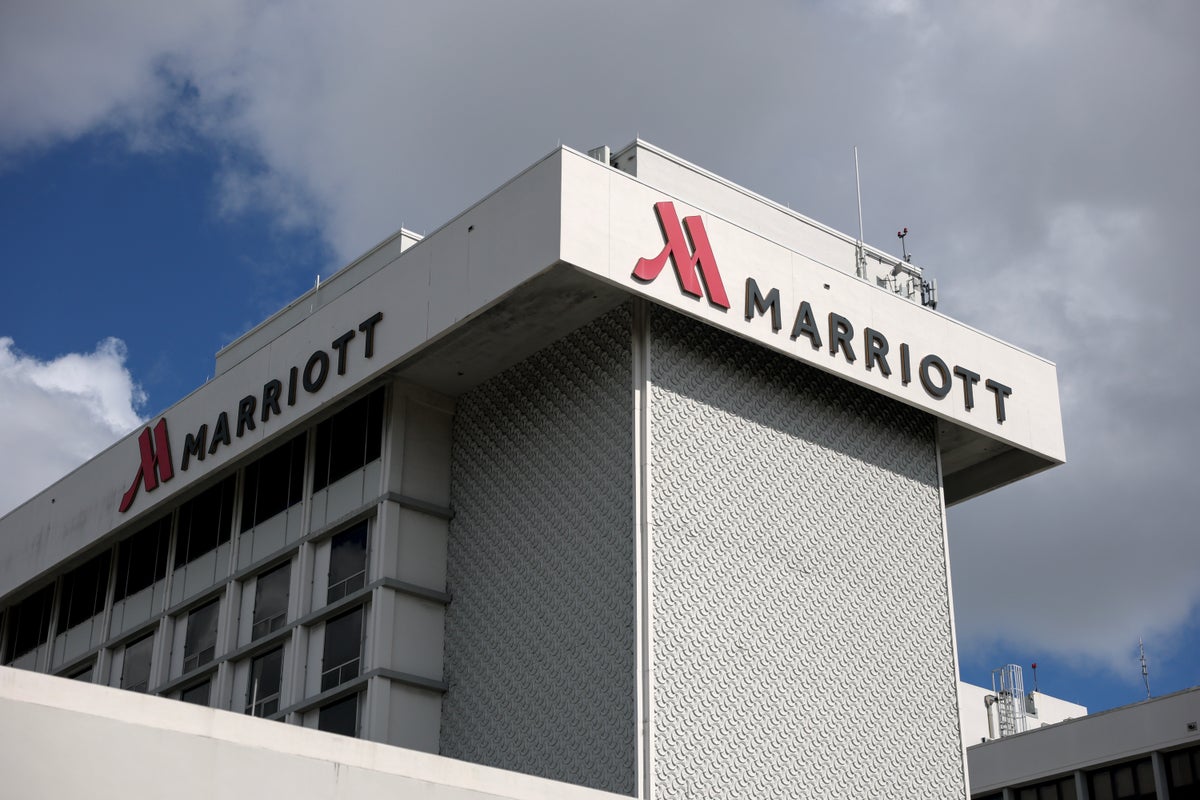
In the case of Turner at the TownePlace Suites by Marriott, he had already checked in. He was a loyalty member. He had his kids with him. He even went out to get food and came back, only to find his reservation had been nuked. If the policy was truly about being local, why was he allowed to check in at all? The lawsuit argues the "policy" only became an issue once the manager decided Turner didn't fit the vibe of the hotel.
Beavercreek is a largely white suburb, just a few miles away from Dayton, which has a significant Black population. Using a "no Dayton people" rule effectively acts as a geographic proxy for race. It’s a way to keep certain people out without saying the quiet part out loud—except, according to the legal filing, this manager actually said the quiet part out loud.
The Viral Video and the Police Involvement
We've seen this script before. A Black man is doing something completely legal—staying in a hotel, sitting in a Starbucks, birdwatching in a park—and someone calls the cops. Turner recorded the interaction, and the video has since racked up millions of views.
When the police arrived, they didn't find a criminal. They found a guy who was confused and humiliated. The officers actually told Turner he hadn't done anything wrong, but they still asked him to leave to "de-escalate" the situation. This is a recurring theme in civil rights cases: the victim has to leave to keep the peace while the person doing the discriminating gets exactly what they wanted.
Breaking Down the Legal Grounds
Turner’s lawsuit isn't just asking for money. He’s looking for a permanent injunction to stop Marriott from using these local-ban policies. Here’s the reality of the law:
- Public Accommodation: Under the Civil Rights Act of 1964, hotels cannot deny service based on race.
- Disparate Impact: Even if a policy doesn't name a race, if it's designed to disproportionately affect one group (like banning people from a specific, diverse city), it's legally shaky.
- Breach of Contract: Since he was a rewards member and had a confirmed, paid reservation that was already in progress, the hotel likely violated their own terms of service.
Marriott’s Track Record with Discrimination
This isn't an isolated incident for the Marriott brand. Just recently, the company had to settle a religious discrimination case for $175,000 after revoking a Sabbath accommodation for an employee. They’ve faced "no party" policy lawsuits in Portland and employment discrimination claims in Tennessee.
The pattern suggests a massive gap between corporate PR and the reality on the ground at franchised locations. Marriott loves to post about diversity and inclusion, but when a manager in Ohio starts talking about "you people," those corporate values feel pretty hollow.
How to Protect Yourself if a Hotel Denies You Service
If you ever find yourself in a situation where a hotel cancels your reservation for a flimsy reason, you need to act fast. Don't just walk away and be mad about it.
- Record everything. If it’s legal in your state (it’s a one-party consent rule in many places, but Ohio is a one-party state), get the interaction on video. Capturing the specific language used is the difference between a "he-said, she-said" and a federal lawsuit.
- Ask for the written policy. If they say "no locals," ask to see that policy in the check-in documents or on the website. Most of the time, these "policies" are just whatever the manager feels like that day.
- Get a manager’s name and a receipt of the cancellation. You want proof they initiated the boot, not you.
- Contact the corporate loyalty line immediately. If you're a rewards member, the corporate office has more leverage over the franchise than you do in the moment.
The Turner case is a reminder that being a "loyal customer" doesn't protect you from old-school bias. This lawsuit might finally force Marriott—and the rest of the hospitality industry—to stop hiding behind "local guest" rules that serve as a backdoor for discrimination. Honestly, if a furnace going out in February doesn't count as a "legitimate reason" to stay at a local hotel, then the policy is just a weapon.
You should check your own rewards accounts and see if there are any "local" restrictions hidden in the fine print before your next stay. If you see them, ask the hotel how they define a "local" and if they apply it to everyone, or just the people they don't like the look of.