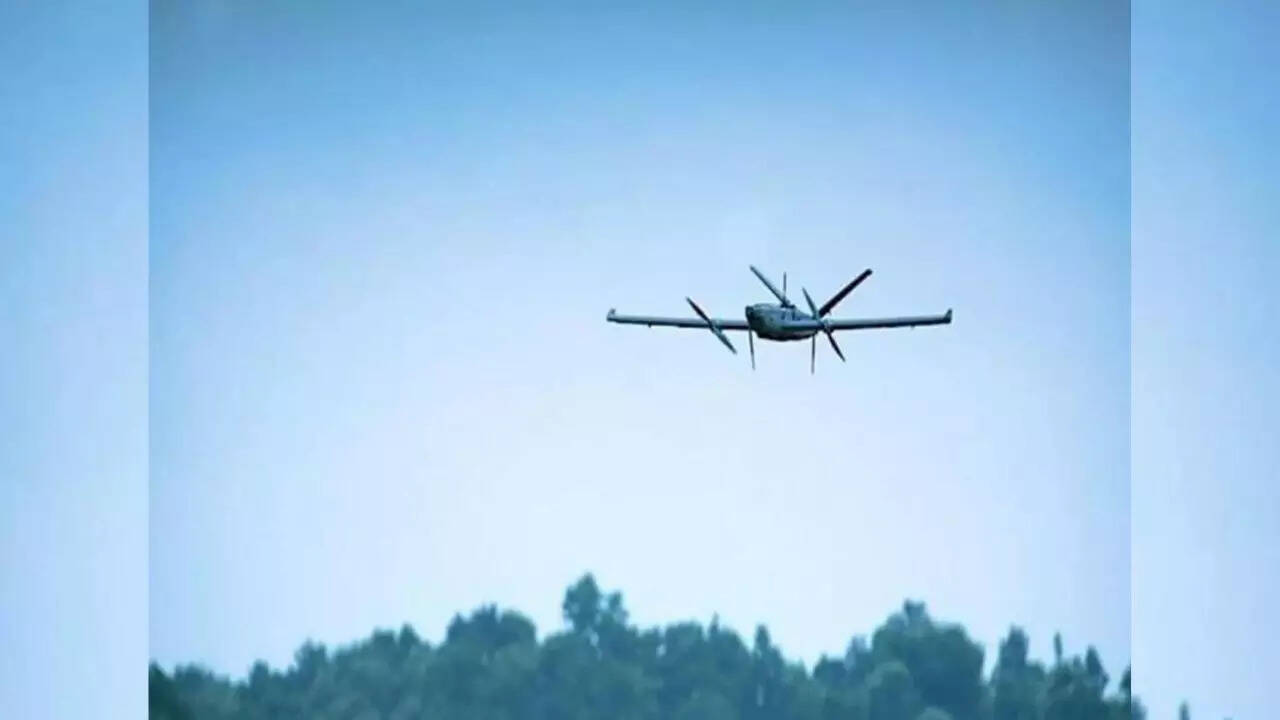
The sky above the Mediterranean usually possesses a specific, glassy stillness just before dawn. It is a deep indigo that feels ancient. But for the radar operators stationed on the southern coast of Cyprus this week, that stillness was an illusion. The silence was broken not by sound, but by glowing green blips—kinetic signatures of a new kind of warfare that moves faster than diplomacy and quieter than a traditional invasion.
When a swarm of drones descended upon the island’s outskirts, they weren’t just attacking a geographic coordinate. They were testing a fault line. Cyprus has long been the unsinkable aircraft carrier of the West, a sun-drenched outpost where European stability meets the volatile heat of the Middle East. The recent strike, though localized, sent a shudder through the halls of Westminster and the Élysée Palace.
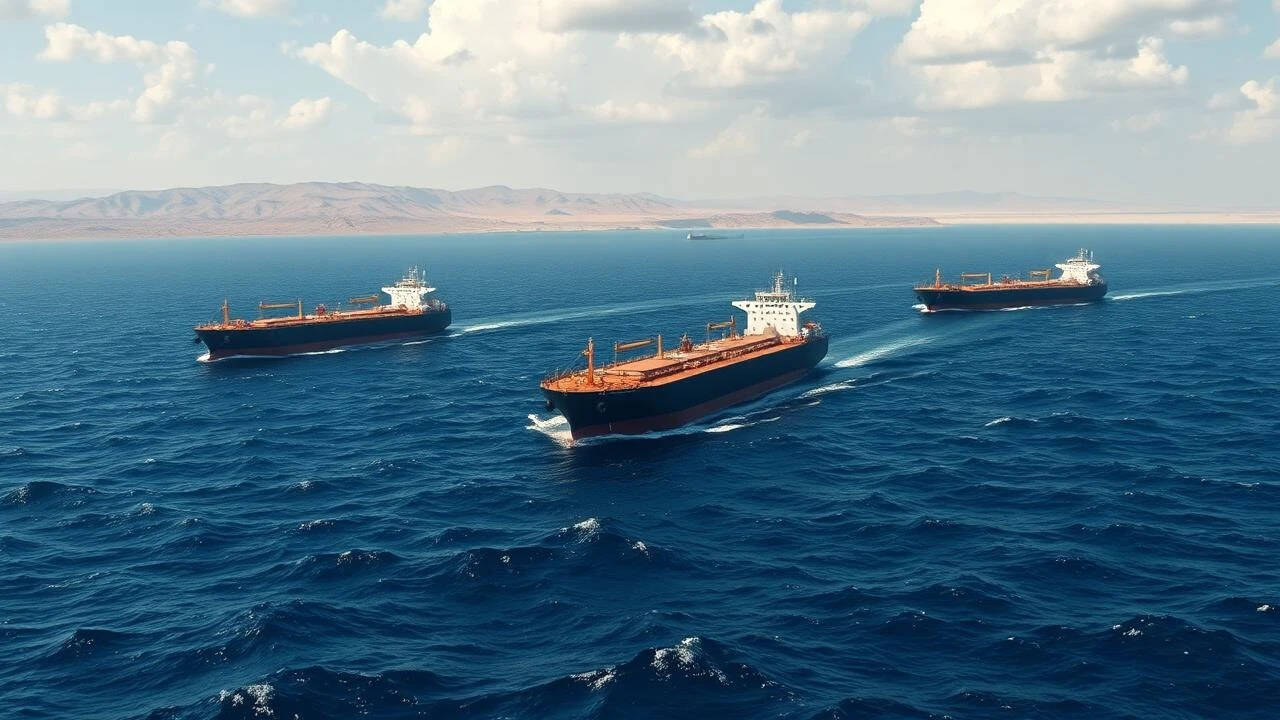
The response was swift. It wasn’t a memo or a diplomatic "deep concern." It was the heavy, rhythmic thrum of warships.
The Weight of the Horizon
Imagine standing on the deck of a Type 45 destroyer. The air smells of salt and burnt ozone. Beneath your feet, thousands of tons of British steel displace the white-capped waves. This isn't just a boat; it’s a floating fortress designed for one specific, terrifying purpose: to swat things out of the sky before they can blink.
The United Kingdom and France didn't just send "assets." They sent a message wrapped in carbon fiber and guided by sophisticated algorithms. By deploying high-end air defense destroyers and frigates to the waters surrounding Cyprus, London and Paris are drawing a line in the sand—or rather, a line in the surf.
These ships, like the HMS Duncan or the French Chevalier Paul, represent the pinnacle of maritime interception. They carry the Sea Viper and Aster missile systems, technology capable of tracking an object the size of a cricket ball moving at three times the speed of sound. When you see these grey silhouettes appearing on the Cypriot horizon, you are witnessing the physical manifestation of "Integrated Air and Missile Defense." It sounds clinical. It feels like a heartbeat.
The Invisible Swarm
The drone attack that prompted this massive naval movement highlights a terrifying shift in how modern conflict works. We used to worry about massive bombers or ballistic missiles. Now, the threat is often a "kamikaze" drone—small, cheap, and expendable. They move in packs. They mimic the flight patterns of birds. They are designed to overwhelm.
Consider a hypothetical radar technician named Elias. He’s lived in Limassol his whole life. To him, the British bases at Akrotiri and Dhekelia have always been part of the background, like the salt lakes or the ancient ruins. But when the drones came, the background became the foreground. The sky he used to watch for the first signs of summer suddenly became a vector for potential tragedy.
This is the psychological toll of the "cheap" war. You don't need a billion-dollar air force to cause a geopolitical crisis anymore. You just need a few dozen drones and a willingness to break the peace. The arrival of British and French warships is the antidote to that anxiety. It is the realization that to fight a swarm, you need a net made of radar waves and interceptor missiles.
A Tale of Two Capitals
The cooperation between the UK and France here is significant. Despite the political friction that often dominates the headlines in Northern Europe, the Mediterranean has a way of forcing hands. Both nations recognize that if Cyprus becomes vulnerable, the entire eastern flank of NATO softens.
France has a long-standing "special relationship" with the Republic of Cyprus, often conducting joint drills and maintaining a persistent naval presence. The UK, meanwhile, views the island as its primary intelligence and logistics hub for the entire region. If the drones can reach the airfield at Akrotiri, they can reach the heart of Western intelligence.
The French contribution usually involves their FREMM multi-mission frigates. These are the silent hunters of the sea. They don't just look up; they look down, scanning for the submarines that often shadow these surface movements. While the British focus on the "umbrella" of air defense, the French provide the "shield" against multifaceted threats. It is a choreographed dance of sensors and steel.
The Logic of Deterrence
Why does it take a billion-dollar ship to stop a ten-thousand-dollar drone?
The math seems lopsided. But the cost isn't just about the hardware. It’s about the value of what is being protected. Cyprus is the gateway. It is the transit point for humanitarian aid heading to Gaza and the staging ground for evacuations if the regional conflict spirals further.
If a single drone hits a civilian port or a vital military installation, the insurance rates for shipping in the Mediterranean skyrocket. Supply chains kink. Energy prices in London and Paris twitch. The warships are there to ensure the "cost" of the drone remains a failure for the attacker.
The technology involved is almost sentient. Modern air defense systems use "sensor fusion." This means the ship doesn't just rely on its own radar. It talks to satellites, to AWACS planes circling high above the clouds, and to the land-based batteries tucked away in the Cypriot mountains. They create a digital dome. Anything that enters without an invitation is identified, tracked, and, if necessary, erased.
The Human Cost of High Tech
We often talk about these ships as if they are autonomous robots. They aren't. Inside the Combat Information Center (CIC) of a Royal Navy destroyer, the air is cool and smells of electronics. It is dark, lit only by the blue and red glow of monitors. Young men and women, barely in their twenties, sit with headsets on, staring at data streams.
Their fingers hover over firing keys. They are the ones who have to decide, in a matter of seconds, if a track on the screen is a flock of migratory birds, a civilian Cessna with a broken transponder, or a lethal drone packed with high explosives. The pressure is immense. One mistake can lead to an international incident; another can lead to a direct hit on the ship.
This is the reality of the Cyprus deployment. It isn't just a "show of force." It is a grueling, 24-hour-a-day vigil. The crew doesn't see the beautiful Mediterranean sunsets. They see the world through the lens of electromagnetic frequencies.
The Shifting Sands
The geopolitical reality is that the Eastern Mediterranean has become a crowded neighborhood. Russian ships are based in Tartus, Syria. Turkish vessels patrol the disputed waters to the north. American carrier groups pass through the Suez Canal.
By inserting themselves firmly into this space following the drone strike, the UK and France are reasserting a European security architecture that many feared was crumbling. They are proving that Cyprus is not an isolated island, but the center of a very large, very important map.
The "drone" is the weapon of the insurgent and the provocateur. The "warship" is the weapon of the sovereign. When the UK and France sent their fleets, they weren't just reacting to a tactical threat. They were performing an act of sovereignty on behalf of an ally.
Beyond the Horizon
There is a specific kind of quiet that returns after a warship docks. In the ports of Larnaca or Limassol, the presence of these vessels changes the atmosphere. For the locals, it’s a mixture of relief and a sobering reminder of the neighborhood they live in.
The drones might come again. Technology is iterative, and the people launching these attacks are learning from every interception. They are looking for gaps in the radar coverage. They are looking for moments of distraction.
But for now, the indigo sky remains empty of intruders. The green blips on the radar screens are steady and predictable. The steel ring around Cyprus holds, not because of a piece of paper or a signed treaty, but because of the physical presence of ships that refuse to move.
The Mediterranean waves continue to lap against the hulls of the HMS Duncan and the Chevalier Paul. The metal is cold to the touch, but the systems inside are humming with heat and intent. The world watches Cyprus, and the ships watch the world, waiting for a horizon that stays clear.