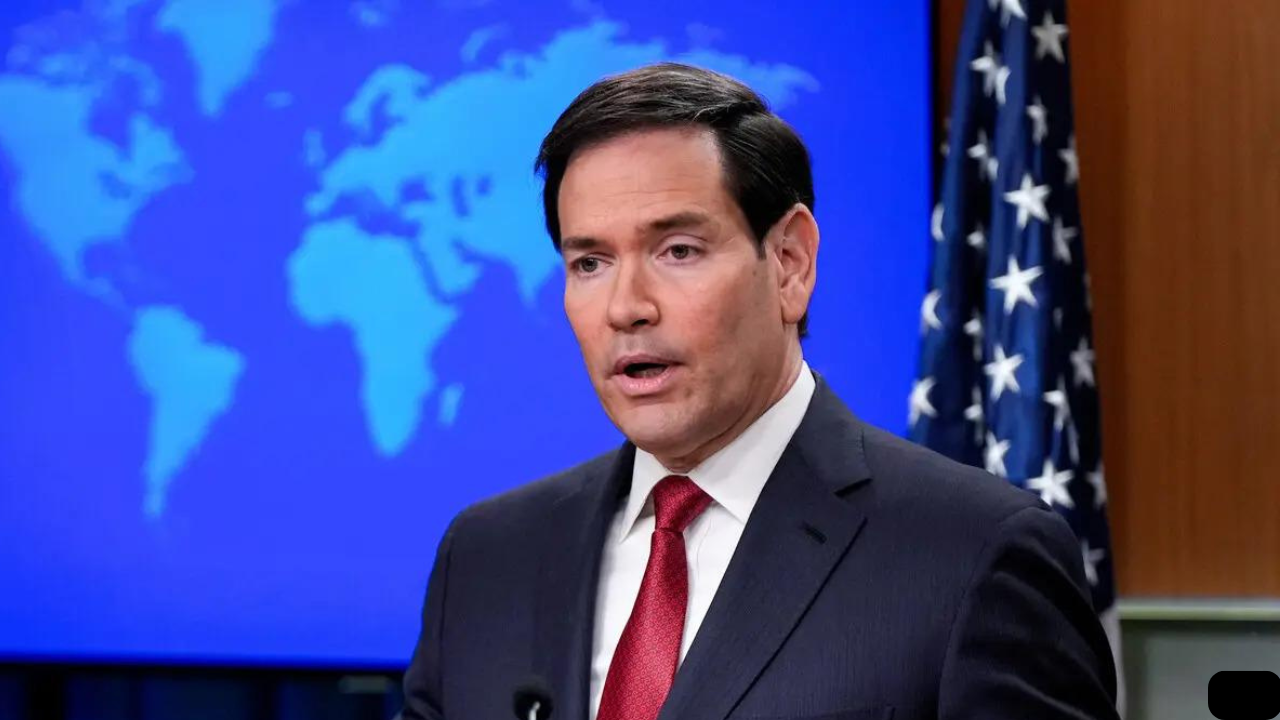
Senator Marco Rubio just drew a line in the sand regarding a potential military confrontation with Iran. He's making a bold claim that any such war would end in weeks rather than months. It’s the kind of statement that makes headlines and starts arguments at dinner tables across the country. But beyond the soundbite, there’s a specific strategic logic he’s pushing—one that tries to separate "war" from "occupation."
The core of Rubio's argument rests on the idea that the United States has no business putting boots on the ground in Tehran. He isn't talking about a regime change through a land invasion. He’s talking about a targeted, overwhelming air and sea campaign designed to reset the board. If you’re wondering whether we’re looking at another twenty-year quagmire, Rubio is essentially saying "no" because the objective wouldn't be to stay. It would be to destroy and leave.
The Strategy of Limited Objectives
Most Americans hear the word "war" and immediately think of the long-term stabilization efforts in Iraq or Afghanistan. Rubio knows this. He’s explicitly distancing this potential conflict from those historical headaches. The goal he describes isn't to build a democracy in the Middle East. It’s to eliminate specific threats—likely nuclear facilities, missile sites, and naval assets—that Iran uses to project power in the Persian Gulf.
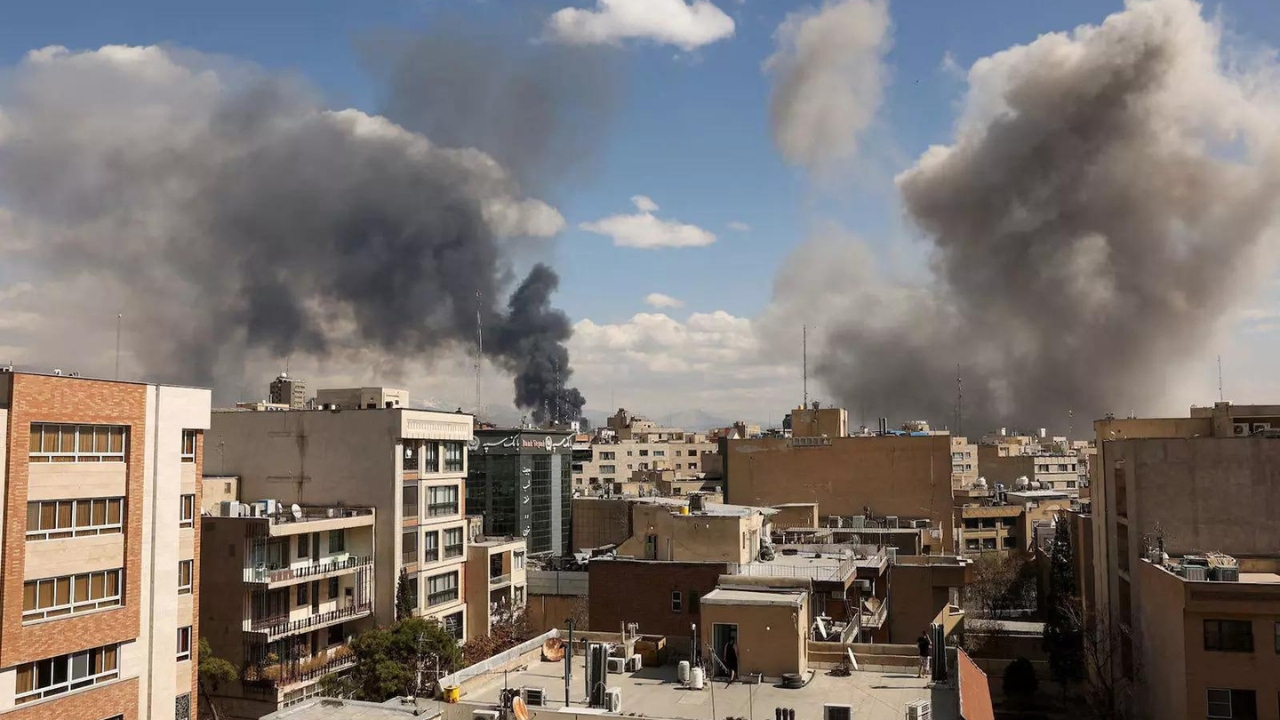
When you remove the need to hold territory, the timeline shrinks. An aircraft carrier strike group and long-range bombers can do an immense amount of damage in fourteen days. We’ve seen this before in various "surgical" strikes, though never on this scale. Rubio’s confidence stems from the massive technological gap between the U.S. military and the Iranian conventional forces. He believes that once the primary military infrastructure is neutralized, the "war" part is over.
Why Ground Troops Are Off the Table
There is zero political appetite in Washington for a ground invasion of Iran. It’s a massive, mountainous country with a population of over 85 million people. Invading it would be a logistical nightmare that would make previous conflicts look like a walk in the park. Rubio’s insistence that ground troops aren't needed is both a strategic observation and a political necessity.
He's betting on stand-off weapons. We're talking about Tomahawk missiles, B-21 Raiders, and cyber warfare. By keeping American soldiers out of the line of fire on the ground, the administration—whichever one might be in power—avoids the daily casualty counts that turn the public against a military campaign. It’s a high-tech approach to an old-school rivalry.
The Nuclear Factor
The elephant in the room is Iran’s nuclear program. Most experts agree that the facilities at Natanz and Fordow are buried deep underground, some literally inside mountains. Rubio’s "weeks, not months" timeline assumes that American "bunker buster" technology is sufficient to set the program back by years in a single series of strikes.
Critics of this view argue that you can't just bomb away knowledge. Even if the centrifuges are smashed, the scientists remain. However, from Rubio's perspective, the physical destruction of the infrastructure buys the world enough time to change the diplomatic reality. It’s a "kinetic" solution to a diplomatic stalemate that has lasted for decades.
Potential for Escalation and the "Weeks" Myth
Not everyone is buying the short-war theory. History is littered with leaders who promised a quick victory. You probably remember "Mission Accomplished." The risk isn't that the U.S. can't destroy its targets quickly. The risk is what happens the day after.
Iran has a massive network of proxies. Groups like Hezbollah in Lebanon, various militias in Iraq, and the Houthis in Yemen wouldn't just sit still while Tehran is being bombed. A war that is "over" in two weeks in terms of conventional bombing could trigger a six-month wave of regional instability. Rubio’s stance seems to ignore the asymmetric response Iran is famous for. If they can’t beat a carrier group, they’ll go after oil tankers, regional allies, or American bases in neighboring countries.
The Economic Ripple Effect
A conflict with Iran, even a short one, would send shockwaves through the global energy market. The Strait of Hormuz is the world's most important oil chokepoint. Roughly a fifth of the world’s daily oil consumption passes through that narrow strip of water.
Rubio’s timeline matters here. If the war truly ends in weeks, the global economy might be able to stomach a temporary spike in gas prices. If it drags on, or if Iran successfully sinks a few tankers to block the strait, we’re looking at a global recession. This is why the "speed" of the conflict is the most important part of his rhetoric. He has to convince the public and the markets that the disruption will be short-lived.
A Shift in Foreign Policy Thinking
What we’re seeing here is a shift toward a more transactional form of military power. The era of "nation-building" is dead. Rubio is signaling a return to the "Big Stick" policy where the U.S. uses its military to smash things that it doesn't like, without taking responsibility for what happens next.
It’s a brutalist approach to foreign policy. It says that the U.S. doesn't need to be the world's policeman, but it will still act as the world's sheriff when its interests are threatened. For Rubio, the message to Iran is clear: we don't want your land, we just want your weapons gone, and we can make that happen very, very fast.
If you’re watching this situation develop, pay attention to the rhetoric regarding "surgical strikes" versus "regime change." When politicians start talking about short timelines, they’re trying to lower the cost of entry for a conflict. Whether that reality holds up once the first missile is fired is a different story entirely. Keep an eye on the deployment of naval assets to the Eastern Mediterranean and the Persian Gulf. Those movements will tell you more about the actual timeline than any speech on Capitol Hill ever will.
Follow the movement of the USS Abraham Lincoln or any incoming carrier strike groups. Their presence is the real-world metric for how serious this talk actually is. If the troop levels stay low but the missile counts in the region go up, Rubio’s "weeks, not months" plan is the one they’re following.