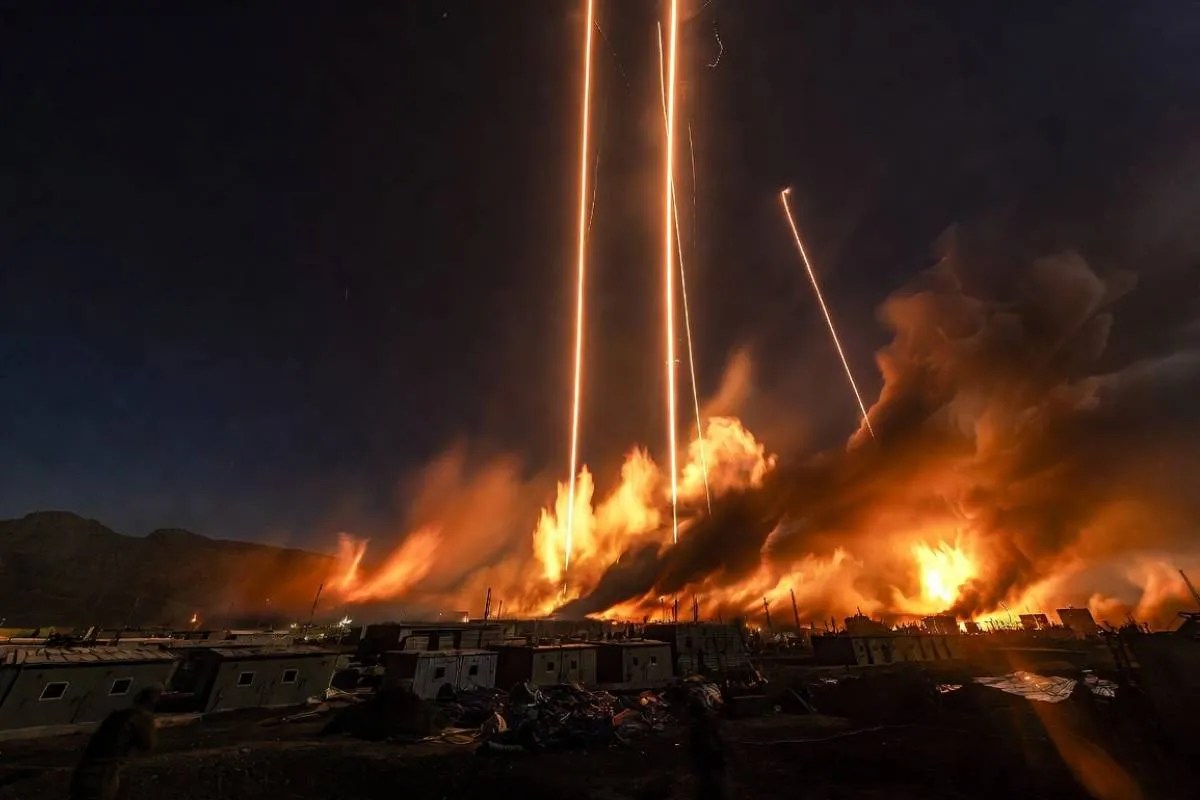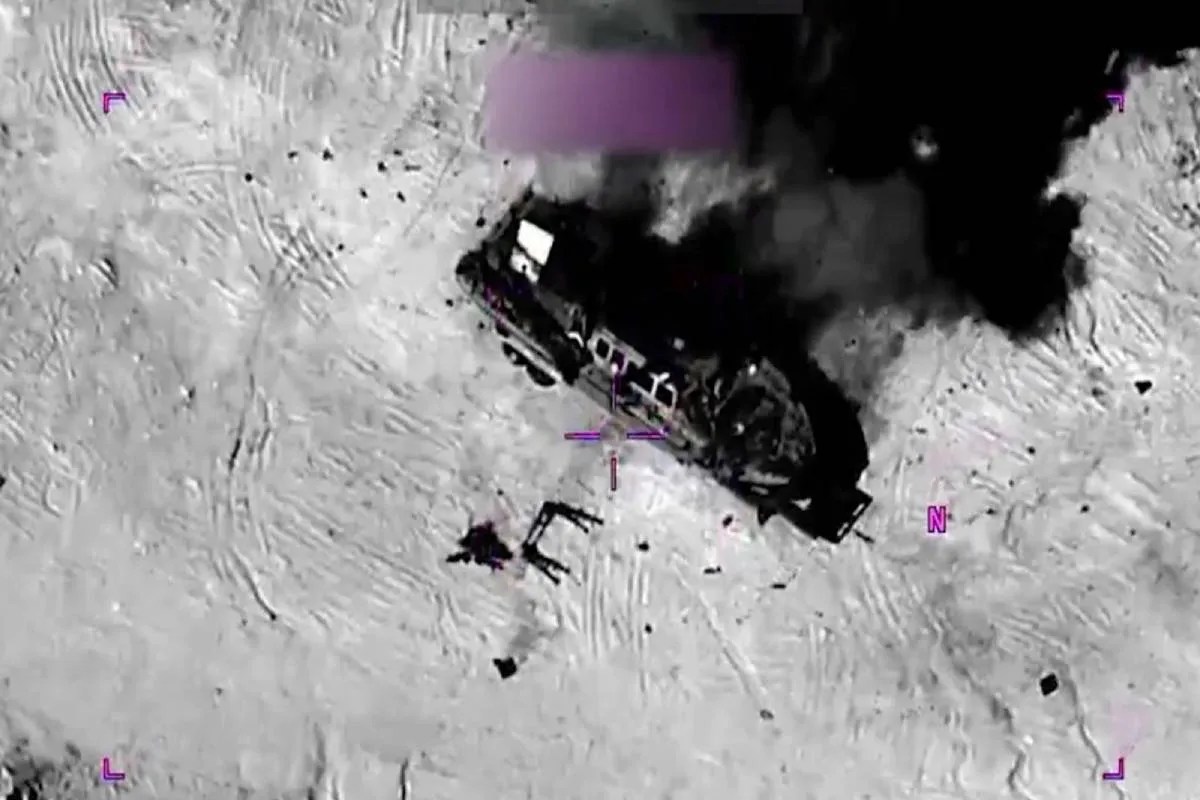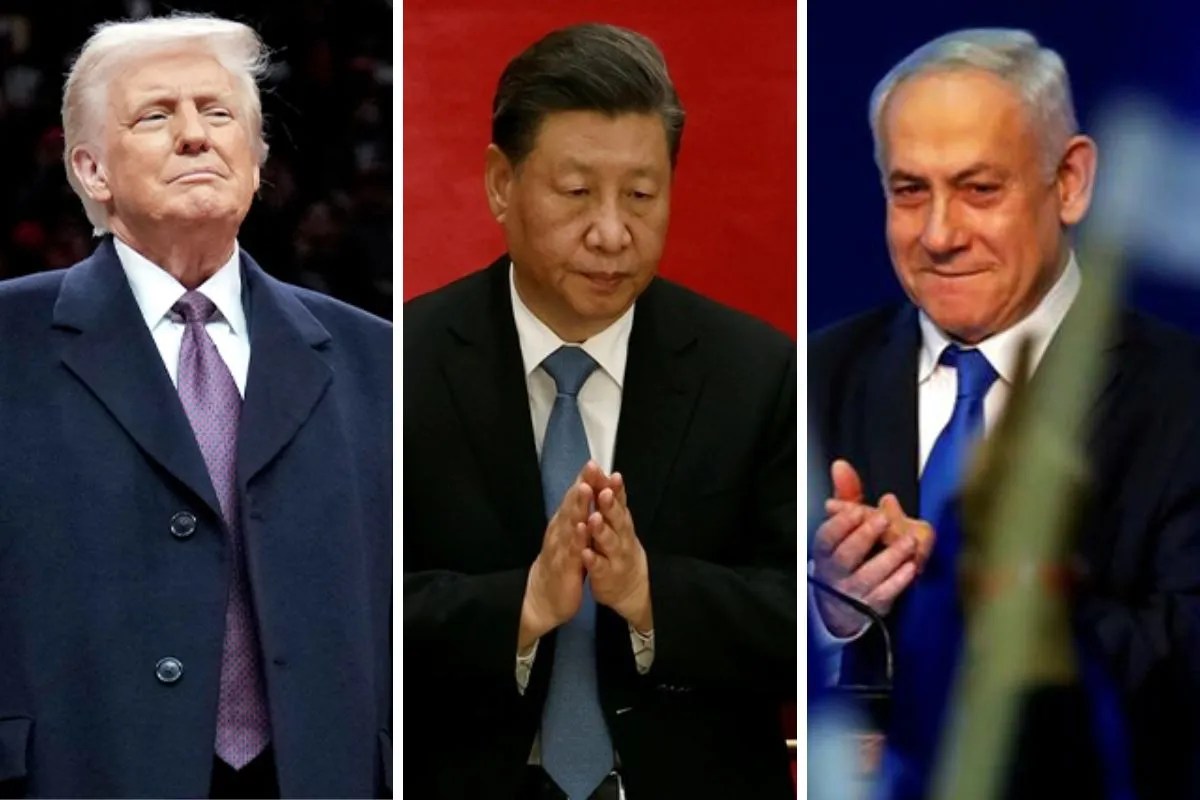
Beijing is currently relearning a lesson that every global power eventually faces: presence is not the same as power. For years, the Chinese leadership operated under the assumption that they could reap the rewards of Middle Eastern energy and trade without ever having to shoulder the heavy, messy burden of regional security. They stayed on the sidelines, cut checks, and built ports. Then, the geopolitical reality shifted. The friction between Israel, Iran, and the returning administration of Donald Trump has not just disrupted trade; it has exposed the fundamental fragility of the Belt and Road Initiative.
The core of the problem is a total misalignment between China’s economic ambitions and its actual influence on the ground. When the Houthi rebels began targeting shipping in the Red Sea, the Chinese expected their "special relationship" with Iran to act as a shield. It didn't. Instead, Chinese vessels found themselves just as vulnerable as anyone else, proving that Tehran either cannot or will not control its proxies to protect Beijing’s interests. Now, with the duo of Trump and Netanyahu signaling a much more aggressive stance toward the Iranian regime, China finds its energy security and its massive infrastructure investments caught in a vice.
The Illusion of the Neutral Superpower
For a decade, China played the role of the "disinterested merchant." This allowed them to sign a 25-year, $400 billion strategic pact with Iran while simultaneously remaining the largest trading partner for Saudi Arabia and the UAE. It was a brilliant balancing act until the bullets started flying.
The recent escalations have stripped away this veneer of neutrality. China relies on the Middle East for roughly 50% of its crude oil imports. In a world where the U.S. and Israel are actively dismantling Iran’s regional architecture, that supply line is no longer a commercial certainty—it is a hostage to fortune. China’s lack of a blue-water navy capable of patrolling these distant shores means they are still, begrudgingly, dependent on the very American security umbrella they claim to despise.
Trump and Netanyahu Change the Math
The return of a "Maximum Pressure" campaign changes everything for the Chinese Communist Party (CCP). During his first term, Trump’s sanctions on Iranian oil forced Beijing to use "ghost fleets" and small, independent refineries—often called "teapots"—to keep the oil flowing. It was a headache, but it was manageable.
This time is different. Netanyahu’s government has shown a renewed willingness to strike directly at Iranian soil and its nuclear infrastructure. If a full-scale conflict erupts, or if the U.S. imposes secondary sanctions with even more bite, China’s "energy bridge" could collapse. Beijing’s nightmare scenario isn't just high oil prices; it’s a total physical disruption of the Strait of Hormuz.
The Failed Proxy Gamble
China thought they could outsource their security to Iran. By supporting Tehran diplomatically at the UN and providing an economic lifeline, they expected the "Axis of Resistance" to leave Chinese interests alone. The Houthi attacks on the MV Huang Pu, a Chinese-owned tanker, shattered that myth.
It turns out that regional militias have their own agendas. They don't take orders from Beijing, and often, they don't even take specific tactical orders from Tehran. This leaves China in a humiliating position. They are a superpower that has to beg for safe passage from rebels in speedboats.
Why the Belt and Road is Stalling
The Belt and Road Initiative (BRI) was supposed to be China’s way of bypassing traditional maritime routes controlled by the West. By building railroads and pipelines through Central Asia and into the Middle East, they hoped to create a "fortress China" that was immune to naval blockades.
The reality has been a series of expensive "white elephant" projects.
- Political Instability: The routes through Pakistan and Central Asia are plagued by security issues.
- Debt Traps: Many partner nations in the Middle East are now more concerned with their own survival than with paying back Chinese infrastructure loans.
- Technological Isolation: U.S. pressure is forcing Middle Eastern allies, like the UAE and Saudi Arabia, to choose between Chinese 5G tech and American defense cooperation.
In every instance, when the chips are down, these nations are prioritizing the security guarantees that only Washington can provide. China can build a bridge, but they can’t defend it.
The Semiconductor Connection
We cannot talk about the Middle East without talking about the global tech war. China is racing toward AI supremacy, a goal that requires massive amounts of energy and specialized hardware. The Middle East is becoming a primary battleground for this tech race.
As the U.S. tightens exports of high-end chips to China, Beijing has looked to the Gulf as a potential "backdoor" for tech acquisition and data center hosting. However, the Trump-Netanyahu alliance is likely to shut this door firmly. By linking regional security to tech compliance, the U.S. is effectively forcing the Gulf states to purge Chinese hardware from their networks. This isn't just about politics; it's about the literal plumbing of the future economy.
The Logistics of Vulnerability
The Chinese military presence in the region is limited to a single base in Djibouti. While it is a sophisticated facility, it is largely symbolic compared to the massive U.S. Fifth Fleet. If the Red Sea remains a no-go zone, Chinese goods have to travel around the Cape of Good Hope.
This adds 10 to 14 days to the journey.
It increases fuel costs by roughly 40%.
It ties up container capacity, leading to inflationary pressures back home in a Chinese economy that is already struggling with a property crisis and slowing domestic consumption.
Beijing is realizing that their economic miracle was built on the assumption of a peaceful, globalized world. That world is dead. In the new era of fragmented trade and "minilateral" alliances, a merchant power without the ability to project force is just a target.
Strategic Paralysis in Beijing
The most striking aspect of the current crisis is Beijing’s silence. Beyond the usual platitudes about "de-escalation" and "dialogue," the CCP has offered no concrete solutions. They cannot side too heavily with Iran without alienating the Saudis and triggering U.S. sanctions. They cannot side with the West without admitting that their "no-limits" partnership with anti-Western regimes is a strategic failure.
They are paralyzed. While Trump and Netanyahu coordinate their next moves, China is left reacting to events it can no longer control. The "Great Rejuvenation" of the Chinese nation requires a stable global order, but by backing revisionist powers like Iran, Beijing helped break that order. Now, they are the ones paying the highest price for the chaos.
The End of the Free Ride
The fundamental shift here is the end of the "free-rider" era. For thirty years, China grew rich by utilizing a global trade system they didn't have to defend. They used the dollar, they used the shipping lanes, and they used the stability provided by others.
The alliance between a resurgent, "America First" Washington and a hawkish Jerusalem is designed to make that free ride impossible. They are forcing China to either step up and take the risks of a true global leader—which would mean potentially clashing with their own allies in Tehran—or step back and watch their Middle Eastern ambitions crumble.
Watch the movements of the Chinese "teapot" refineries over the next six months. If they start cutting back on Iranian crude, you'll know that Beijing has finally accepted that the cost of defiance has become too high. If they don't, expect a direct confrontation that will test whether China’s rise is as "inevitable" as they claim.