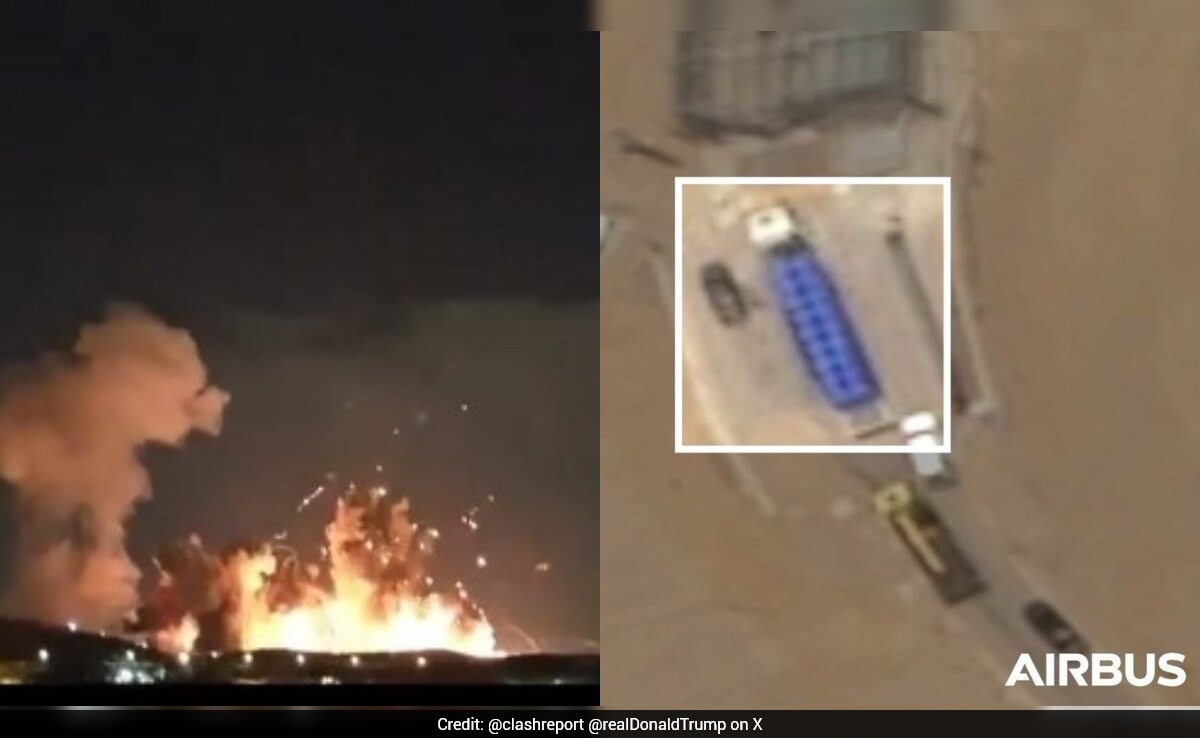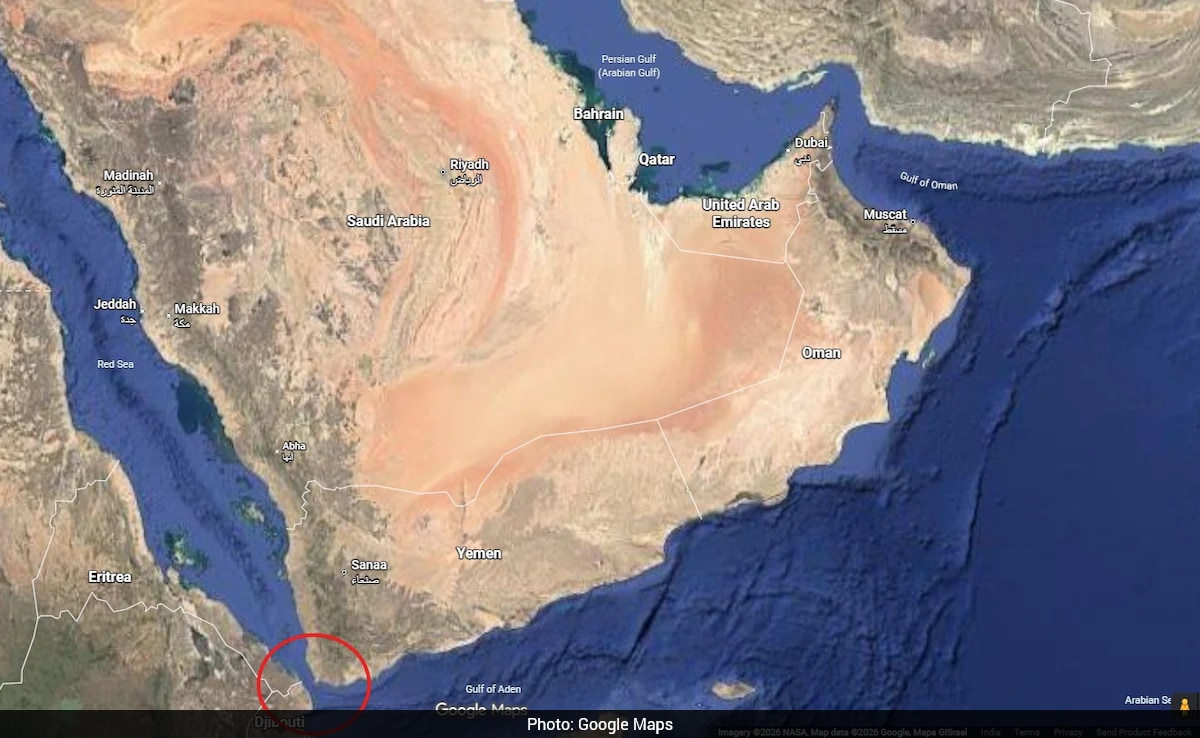
The geography of global trade is being rewritten by a group that has no navy. On March 31, 2026, the Bab el-Mandeb—the "Gate of Tears"—is living up to its name as a second front in the maritime war between Iran and the West. While the world’s eyes have been fixed on the Strait of Hormuz, where Iran has effectively choked off 20% of global oil, the Houthi movement in Yemen has activated a lethal secondary chokepoint. This is not a random escalation. It is a pincer movement designed to break the back of the Indian Ocean's commercial architecture.
For India, the stakes are no longer just about delayed shipments of electronics or rising freight insurance. New Delhi is facing a structural threat to its energy security and its aspirations as a global manufacturing hub. If Hormuz is the heart of India’s energy supply, Bab el-Mandeb is the primary artery for its exports to Europe. Both are now under cardiac arrest.
The Calculated Collapse of the Two Straits
The Houthi entry into the broader Iran-Israel war this week is not a show of solidarity. It is a strategic requirement for Tehran. By activating the Houthis to target the Bab el-Mandeb, Iran has created a "Double Bind" for global shipping.
When the Strait of Hormuz was first throttled in February 2026, the initial logic was to reroute everything. But you cannot reroute around a circle. If Hormuz is blocked, oil must travel via the East-West pipeline to Yanbu on the Red Sea. From there, it must still pass through the Bab el-Mandeb to reach the Indian Ocean and India’s western ports. By striking at both ends, the Iranian-led axis is effectively holding the entire Arabian Peninsula’s energy exports hostage.
This is not a temporary blockade that a few naval patrols can solve. The Houthis are using a hybrid arsenal of anti-ship cruise missiles, "suicide" unmanned surface vehicles (USVs), and low-cost drones. The cost to launch a Houthi drone is roughly $20,000. The cost for a Western destroyer to intercept it with a Standard Missile-2 (SM-2) is $2.1 million. This is the math of attrition, and it is currently winning.
India’s Energy Hubris Meets Reality
For decades, Indian policymakers operated under the assumption that the Indian Navy’s "Operation Sankalp" and its status as a Net Security Provider would be enough to keep the lanes open. That assumption died this month.
India’s energy dependency is its greatest vulnerability. In 2025, 53% of India’s LNG imports came from Qatar and the UAE. With QatarEnergy invoking force majeure on several shipments following the Hormuz disruption, India has been forced to scramble. While New Delhi has diversified its suppliers from 27 to 41, the sheer volume required cannot be replaced by spot-market purchases from the United States or West Africa without bankrupting the national exchequer.
Consider the following numbers:
- Oil Prices: Brent crude has breached $114 per barrel, up from $80 just months ago.
- Freight Costs: The Kolkata-Rotterdam rate, which sat at $500 per container before the crisis, has exploded to $4,000—an 800% increase.
- Time Tax: Rerouting ships around the Cape of Good Hope adds 15 days to a journey, effectively removing 10% of the world's shipping capacity due to longer turnaround times.
The Death of the India-Middle East-Europe Economic Corridor
The most significant casualty of this maritime pincer may be the India-Middle East-Europe Economic Corridor (IMEC). Launched with much fanfare at the 2023 G20 summit, IMEC was supposed to be the "modern Spice Route"—a multimodal rail and shipping link bypassing the Suez Canal.
The current conflict has turned the IMEC blueprint into a fantasy. The corridor relied on the port of Haifa in Israel as its Mediterranean gateway and the ports of Jebel Ali and Fujairah in the UAE as its Gulf anchors. With the Red Sea under fire and the Strait of Hormuz mined, the "Middle East" part of the corridor is a war zone.
Investors who were once bullish on IMEC-linked infrastructure are now pulling back. Over $13 billion in foreign capital has exited Indian markets in the last 27 days alone. The "China-plus-one" strategy, which saw companies moving manufacturing to India to avoid geopolitical risk in the South China Sea, is being reconsidered. If India cannot guarantee the safety of its own supply lines in the Arabian Sea, its pitch as a stable alternative to China falls flat.
The Indian Navy’s Invisible War
Despite the headlines of a "humanitarian" standby, the Indian Navy is currently engaged in its most intense maritime security operation since 1971. Under Operation Sankalp, destroyers like the INS Surat are not just performing "flag-waving" missions. They are actively escorting Indian-flagged tankers through the Gulf of Oman.
However, the Navy is facing a "capability-intent gap." While it can protect a specific convoy, it cannot police the entire 2,000-mile stretch from the Gulf of Aden to the Malabar Coast. The Houthis have shown they can target vessels based on their destination, ownership, or even the nationality of the crew. In March, a bulk carrier departing the UAE for Kandla, India, was struck by a missile despite having no ties to the warring parties. This is "exit-targeting"—striking ships as they leave port, where they are most vulnerable and slowest.
The Inflationary Aftershock
The crisis is no longer a matter for the Ministry of External Affairs; it is a kitchen-table issue. India’s agricultural exports—specifically basmati rice and buffalo meat—are rotting in warehouses. Freight increases of 35% on sunflower oil imports from Russia and Ukraine have already been passed on to consumers.
The manufacturing sector is next. Indian makers of polyester filament yarn are warning of a total shutdown within the next 10 days because they cannot source raw materials from the Gulf. This is a supply-chain contagion that starts at a narrow strait in Yemen and ends in a textile factory in Surat.
A New Maritime Doctrine
The era of "free" navigation is over. India must now choose between two unpleasant paths. The first is to join a Western-led coalition to actively degrade Houthi capabilities—a move that would alienate Iran, a key strategic partner for the North-South Transport Corridor. The second is to "pay the toll," negotiating with regional actors to ensure safe passage, effectively recognizing the Houthi-Tehran axis as the new regulators of the Indian Ocean.
Neither option is ideal. But as the "Gate of Tears" remains closed, the luxury of waiting for a diplomatic solution is a cost India can no longer afford.