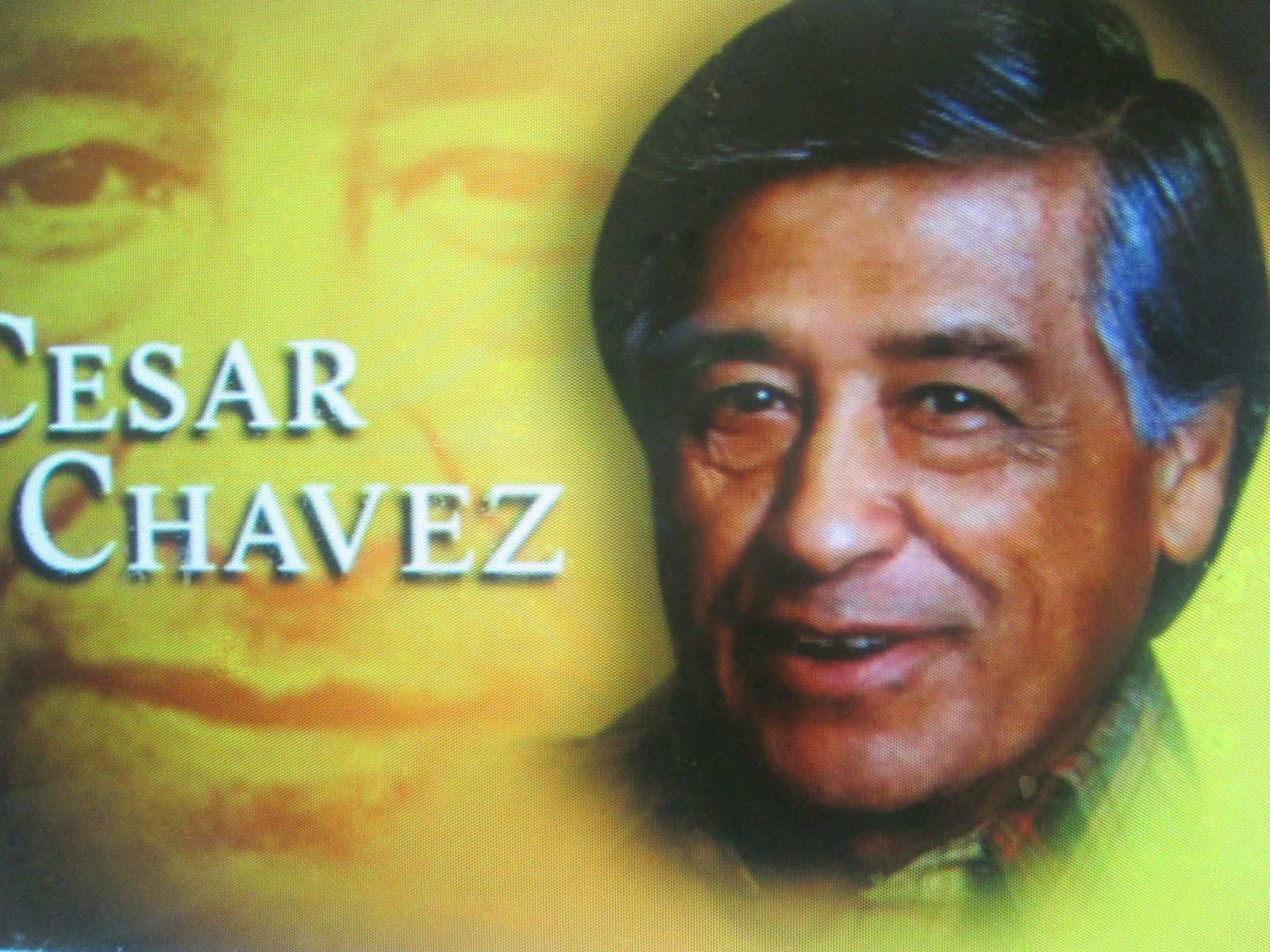
César Chávez isn't just a name on a street sign or a holiday on a calendar. If you think his story is only about history books, you're missing the point. His life was a masterclass in how to shift power when you've got nothing but your own will and the person standing next to you. In 2026, as we grapple with gig work and automation, the tactics he used in the dusty fields of California feel more relevant than ever.
Most people remember the hunger strikes. They remember the marches. But the real legacy of Chávez isn't just a list of sacrifices. It's the blueprint he left for organized defiance. He didn't just want better pay for farmworkers; he wanted to prove that the most marginalized people in society could force the most powerful industries to blink. He succeeded because he understood something basic: power never gives up anything without a demand.
The Strategy Behind the Sacrifice
We often sanitize activists once they're gone. We turn them into stained-glass versions of themselves. With Chávez, that's a mistake. He was a gritty, often polarizing strategist who knew exactly how to use public perception as a weapon.
Take the 1968 hunger strike. It wasn't just a spiritual act. It was a calculated move to keep the United Farm Workers (UFW) committed to nonviolence when tensions were boiling over. He fasted for 25 days. It crippled his body, but it cemented the moral authority of the movement. When Bobby Kennedy stood beside him as he broke that fast, it wasn't just a photo op. It was a signal to the entire country that the struggle of Mexican-American laborers was now a national priority.
You see this same energy in the Delano grape strike. It lasted five years. Five years of picketing, harassment, and poverty. Most people would’ve quit after five months. Chávez didn't just ask people to stop buying grapes; he made it a moral imperative. He turned a local labor dispute into a global civil rights cause. That’s the lesson for today. If you want to change a system, you have to make your struggle impossible to ignore.
Organizing in the Shadows
The UFW wasn't built in boardrooms. It was built in living rooms and under the shade of trees. Chávez and Dolores Huerta—who is often unfairly overshadowed—knew that you can't lead people you don't actually know. They spent years just talking. They listened to the stories of families living in shacks without running water. They heard about the "short-handled hoe" that broke workers' backs for no reason other than tradition.
They didn't start with a strike. They started with a credit union and a death benefit insurance plan. They provided value to the workers' lives before they ever asked them to walk off the job. This is where modern organizers often stumble. They want the big march before they've done the small, boring work of building trust.
Chávez knew that a union is a community first. If the community is tight, the strike will hold. If it's just a bunch of strangers, they’ll break as soon as the rent is due. He made sure the UFW was a family. That’s why the movement didn't just collapse when the growers brought in scabs or the police showed up with batons.
The Complicated Reality of a Hero
If we're being honest, Chávez was a complicated man. His stance on illegal immigration later in his career is a point of heavy debate. He feared that undocumented workers were being used by growers to break strikes and drive down wages. It’s a tension we still see in labor politics today. It’s messy. It’s uncomfortable.
But ignoring the flaws of a leader makes them a myth, and myths aren't useful for learning. You have to look at the whole person. He was a man of intense faith and rigid discipline. He could be stubborn to a fault. Yet, he was the same man who convinced millions of Americans to stop eating grapes because he made them realize that the fruit on their table came at the cost of someone else's dignity.
He understood the power of the consumer. Long before social media "cancel culture," Chávez was executing the most effective boycotts in American history. He didn't have an algorithm. He had volunteers at grocery stores in New York and Chicago telling people why they shouldn't buy a certain brand. It worked because it was personal.
Why Nonviolence Was His Greatest Tool
Nonviolence wasn't a soft choice for Chávez. It was a tactical one. He saw what happened when movements turned to riots—the public turned away, and the state cracked down with even more brutality. By staying nonviolent, he kept the moral high ground. He made the growers look like the aggressors they were.
When you look at the footage of those strikes, you see workers being sprayed with pesticides or beaten by "security." Because the workers didn't hit back, the rest of the world saw the injustice clearly. It’s a hard path. It requires more courage to stand still while someone swings at you than it does to swing back. Chávez proved that this kind of courage wins in the long run.
Moving Beyond the Holiday
Celebrating César Chávez Day should be about more than just a day off or a quote on Instagram. It’s about looking at the people who do the work you don't want to do. The people who pick your food, deliver your packages, and clean your offices.
The best way to honor his legacy is to pay attention to the labor fights happening right now. Whether it’s warehouse workers pushing for better safety or service workers demanding a living wage, the spirit is the same. The tools have changed—we use apps instead of leaflets—but the goal hasn't. It’s still about dignity.
Don't just read about history. Look at your own community. Support a local boycott. Learn the names of the people who make your lifestyle possible. Demand that the laws protect the person in the field as much as the person in the office. That’s how you keep the best parts of his legacy alive. You don't do it by looking back; you do it by looking around.
Start by looking at the brands you support. Check their labor practices. If they treat their workers like disposable parts, stop giving them your money. It’s that simple. Chávez showed us that the "little guy" has the ultimate power—the power to say "no." Use it.