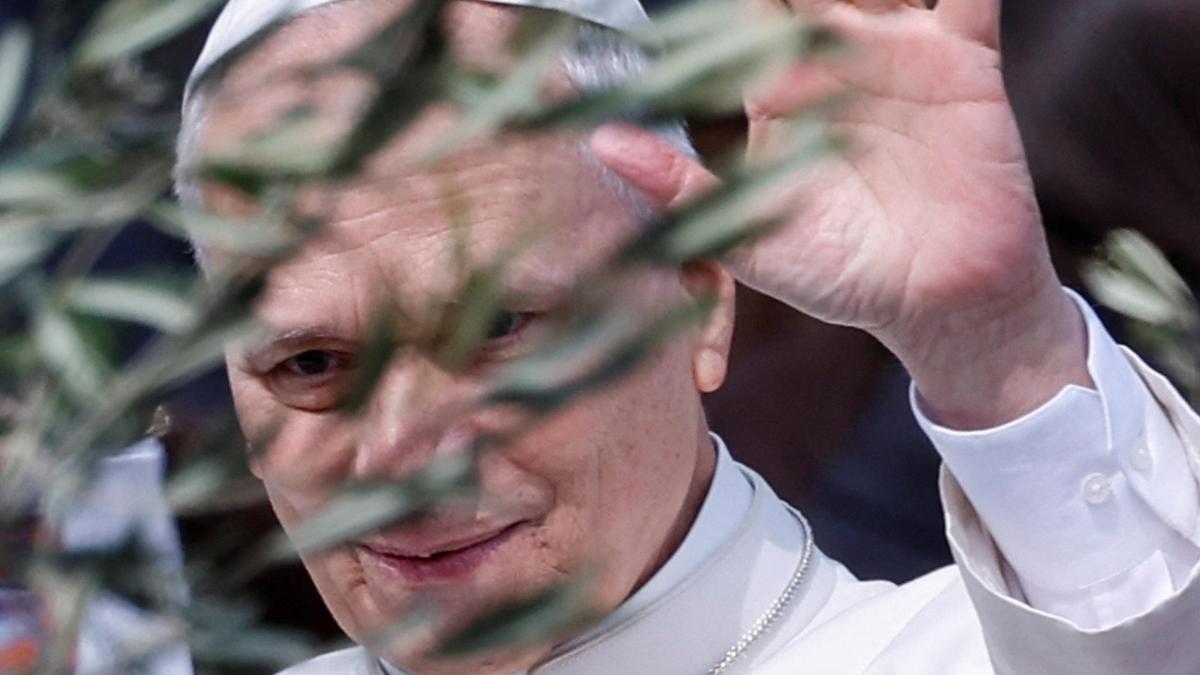
The Vatican just dropped a hammer on global diplomacy, and it’s about time. Pope Leo didn't mince words when he claimed that God rejects the prayers of leaders who choose war over dialogue. It’s a staggering statement. While most religious leaders offer vague platitudes about "peace in our time," Leo is drawing a line in the sand. He’s essentially saying that if you’re signing off on drone strikes or border invasions, your Sunday morning worship is a waste of breath.
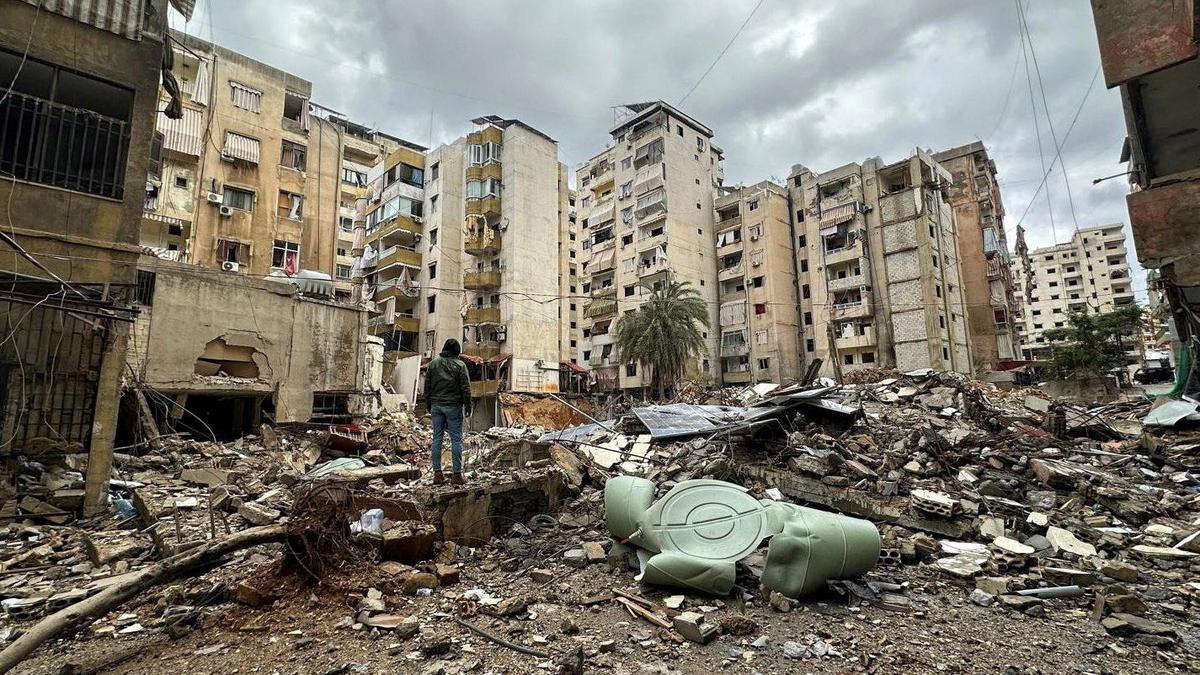
This isn't just about theology. It’s a massive shift in how the Catholic Church interacts with modern geopolitics. For centuries, the "Just War" theory gave leaders a bit of a loophole. If the cause was right, the violence was excusable. Leo is effectively closing that loophole. He’s looking at the current state of global conflict—from the brutal stalemates in Eastern Europe to the escalating tensions in the Middle East—and saying the spiritual bank is closed for those responsible.
The end of the Just War loophole
The concept of a "Just War" has been the go-to excuse for Christian leaders since the days of Saint Augustine. It’s a checklist. Is the cause just? Is it a last resort? Is there a chance of success? If you check the boxes, you get a divine thumbs-up. But modern warfare has changed the math. When civilian casualties are "collateral damage" and entire cities are leveled by remote control, the old rules don't apply anymore.
Pope Leo’s stance suggests that in a world of nuclear proliferation and high-tech weaponry, there is no such thing as a clean war. By stating that God turns a deaf ear to these leaders, he’s stripping away the moral cover they use to justify their actions to their citizens. It’s a bold move. It’s also incredibly risky because it alienates some of the most powerful people on the planet.
Why the Vatican is pivotting now
You have to look at the timing. We’re seeing a rise in "religious nationalism" across the globe. Leaders are increasingly using faith as a shield for aggression. They claim they’re doing "God’s work" while launching missiles. Leo sees this trend and he’s calling it out as a blatant contradiction.
He’s pointing out the hypocrisy of a leader who asks for a blessing on an army that’s about to displace millions of people. It’s a direct challenge to the "God is on our side" narrative that has fueled almost every major conflict in human history. Honestly, it’s a refreshing bit of honesty from an institution that has often been accused of being too cozy with power.
The spiritual cost of conflict
Leo’s argument hinges on the idea that prayer isn't a magic spell you cast to get your way. It’s supposed to be a transformative act. If a leader is truly in communication with the divine, their actions should reflect a commitment to the sanctity of life. You can’t claim to be a person of faith while simultaneously ordering the destruction of families.
The Pope is essentially saying that the act of waging war creates a spiritual wall. It’s not that God is being petty. It’s that the leader has intentionally moved away from the core tenets of the faith. When you choose violence, you’re choosing a path that leads away from the very source you’re trying to petition.
What this means for international relations
Don't expect the world’s generals to lay down their arms tomorrow. But don't underestimate the power of this rhetoric either. In many countries, the Catholic Church still holds significant sway over public opinion. When the Pope tells a population that their leader is spiritually bankrupt because of their war efforts, it creates internal pressure.
It gives the anti-war movement a massive boost. It’s no longer just a political disagreement; it’s a moral and spiritual one. This puts religious leaders in those countries in a tough spot. Do they follow the Pope, or do they stick with their local political boss? It’s a wedge that could shift the internal dynamics of several nations currently involved in active conflicts.
The reaction from the world stage
Predictably, the pushback was fast. Critics argue that the Pope is being naive. They say that in a "fallen world," war is sometimes a necessary evil to stop even greater atrocities. They point to historical examples like World War II. If we didn't fight, they argue, evil would have won.
But Leo’s point is more nuanced than that. He’s not necessarily saying a country can't defend itself. He’s targeting the "leaders who wage wars"—those who initiate, escalate, and profit from conflict. There’s a difference between a desperate defense and a calculated offensive. He’s looking at the people in the war rooms, not the soldiers in the trenches.
A shift in Catholic diplomacy
This is a departure from the "quiet diplomacy" that characterized much of the 20th century. The Vatican used to work behind the scenes, trying to mediate without making too many waves. Leo is flipping the script. He’s using the "bully pulpit" to shame those in power.
It’s a more aggressive form of pacifism. It’s not just "let’s all get along." It’s "your soul is in danger if you keep doing this." That kind of language carries weight, especially in regions like Latin America, parts of Africa, and even sections of the United States and Europe where Catholic identity remains strong.
The impact on the individual believer
This isn't just a message for presidents and prime ministers. It’s a wake-up call for the average person in the pews. If the leader’s prayers are rejected, what about the people who support them? It forces a confrontation with personal ethics. You can't really outsource your morality to the state and expect to remain blameless.
Leo is asking everyone to consider their complicity. If you’re cheering for the war, are you also cutting yourself off from the spiritual peace you claim to seek? It’s a heavy question. It moves the conversation from abstract geopolitics to personal responsibility.
Realities of modern conflict
Let’s be real. Most modern wars aren't about "good vs. evil" in the way movies portray them. They’re about resources, influence, and historical grievances that have spiraled out of control. When you strip away the flags and the anthems, you’re left with human suffering on a massive scale.
- Over 100 million people are currently displaced by war and violence.
- Global military spending has topped $2 trillion annually.
- The psychological trauma of conflict lasts for generations.
Leo sees these numbers and he’s saying the "religious" justifications are a lie. He’s calling out the industry of war as much as the ideology of it.
Moving beyond the rhetoric
If you’re someone who actually cares about the intersection of faith and global justice, this is a moment to pay attention. It’s easy to dismiss a papal statement as "just words," but words shape the reality we live in. They provide the framework for what we consider acceptable.
Start looking at the conflicts in the news through this lens. When a leader mentions "God" in a speech about military action, ask yourself if they’re just using a prop. Look at the actual outcomes of their policies. Are they protecting life, or are they sacrificing it for a tactical advantage?
Demand better from your own local religious and political leaders. Ask them where they stand on Leo’s statement. Don't let them wiggle out with "it’s complicated." It’s actually pretty simple. You can't claim to follow a path of peace while walking a path of war. The two directions don't meet.
Keep an eye on the Vatican’s next moves. If Leo follows this up with actual diplomatic sanctions or changes to how the Church interacts with specific regimes, the ripple effects will be felt for decades. This isn't a one-off comment. It’s a manifesto for a new kind of spiritual resistance.
The next time you see a leader at a prayer breakfast, look at their hands. If those hands are stained with the decisions that lead to the death of innocents, remember what Leo said. The line is busy, and nobody is picking up on the other end.
Get involved in local peace initiatives. Support organizations that work on de-escalation and humanitarian aid. If the top-down approach to peace is broken, the only way forward is from the ground up. Stop waiting for a miracle and start making one through consistent, non-violent action and vocal opposition to the machinery of war.