Everything changed in a single night. When the first ballistic missiles streaked across the sky toward Tel Aviv, the old rules of "shadow wars" evaporated. We aren't looking at a proxy conflict anymore. This is a direct, high-stakes confrontation between Israel, the United States, and Iran that has rewritten the geopolitical map in just thirty days. If you've been following the headlines, you've seen the explosions, but the real story lies in how quickly red lines were crossed and then discarded.
Most people thought this would be another cycle of "tit-for-tat" strikes that fizzle out after a week. They were wrong. This past month proved that the strategic patience Iran once bragged about is gone, and the Israeli policy of "mowing the grass" has turned into a full-scale campaign to dismantle Iranian regional influence. It’s messy, it’s loud, and it’s far from over.
The Spark That Set the Region Ablaze
It didn’t start with a whimper. The escalation kicked off when Israel targeted high-level Iranian military commanders in a strike that Iran simply couldn't ignore without losing face. Within forty-eight hours, the Islamic Revolutionary Guard Corps (IRGC) launched a massive wave of drones and missiles. This wasn't a symbolic gesture. They intended to hit hard.
The U.S. stepped in immediately. This wasn't just about diplomatic support; it was about kinetic intervention. American destroyers in the Red Sea and fighter jets from regional bases began intercepting targets alongside the Israeli Air Force. For the first time, the "defensive alliance" many talked about in theory became a literal shield in practice.
The first week was a blur of sirens and interceptions. While the Iron Dome gets all the press, the Arrow 3 and David’s Sling systems did the heavy lifting against the bigger ballistic threats.
Week Two and the Shift to Iranian Soil
By the second week, the focus shifted from defense to the inevitable response. Israel didn't just hit back at the launch sites. They went after the infrastructure that makes these attacks possible. Speculation ran wild about whether they'd hit nuclear facilities or oil refineries.
Instead, the Israeli response was surgical and deeply embarrassing for Tehran. They took out advanced S-300 air defense batteries near sensitive sites. The message was clear. We can see you, we can reach you, and your Russian-made tech can’t stop us.
The U.S. role here was a delicate balancing act. While the White House publicly urged restraint to avoid a total regional collapse, the Pentagon moved more assets into the Eastern Mediterranean. Two carrier strike groups were positioned to ensure that if Iran decided to go all-in, the cost would be terminal.
The Economic Fallout No One Is Talking About
While everyone watches the missile footage, the real pain is hitting the ledgers. You can't have a war of this scale without the markets reacting. Oil prices didn't just "spike"—they became a volatile roller coaster. Shipping lanes through the Strait of Hormuz, which handle about a fifth of the world's daily oil consumption, became a high-risk gamble.
Insurance premiums for tankers tripled in fourteen days. This isn't just a Middle Eastern problem; it’s a global inflation problem. If you’re paying more at the pump in London or New York, this month of conflict is exactly why. Iran knows this is their best leverage. They don't have to win a dogfight if they can tank the global economy.
Week Three and the Proxy Collapse
By the third week, the "Axis of Resistance" started feeling the squeeze. Hezbollah in Lebanon and the Houthis in Yemen tried to draw fire away from Tehran, but the coordination was off. Israel’s intelligence penetrations were so deep that every time a senior commander met to plan a counter-move, a munition was already en route.
The myth of the "Ring of Fire" surrounding Israel took a massive hit. It turns out that when the patron state is under direct fire, the proxies get nervous. We saw a noticeable dip in coordinated attacks from Iraqi militias as they realized the U.S. wasn't kidding about retaliatory strikes on their command centers.
The Propaganda War on Social Media
This month also saw a record-breaking amount of disinformation. From faked "leaked" documents about U.S. troop deployments to AI-generated videos of burning cities, the digital front was just as active as the physical one. Both sides used Telegram and X to claim victories that hadn't happened yet.
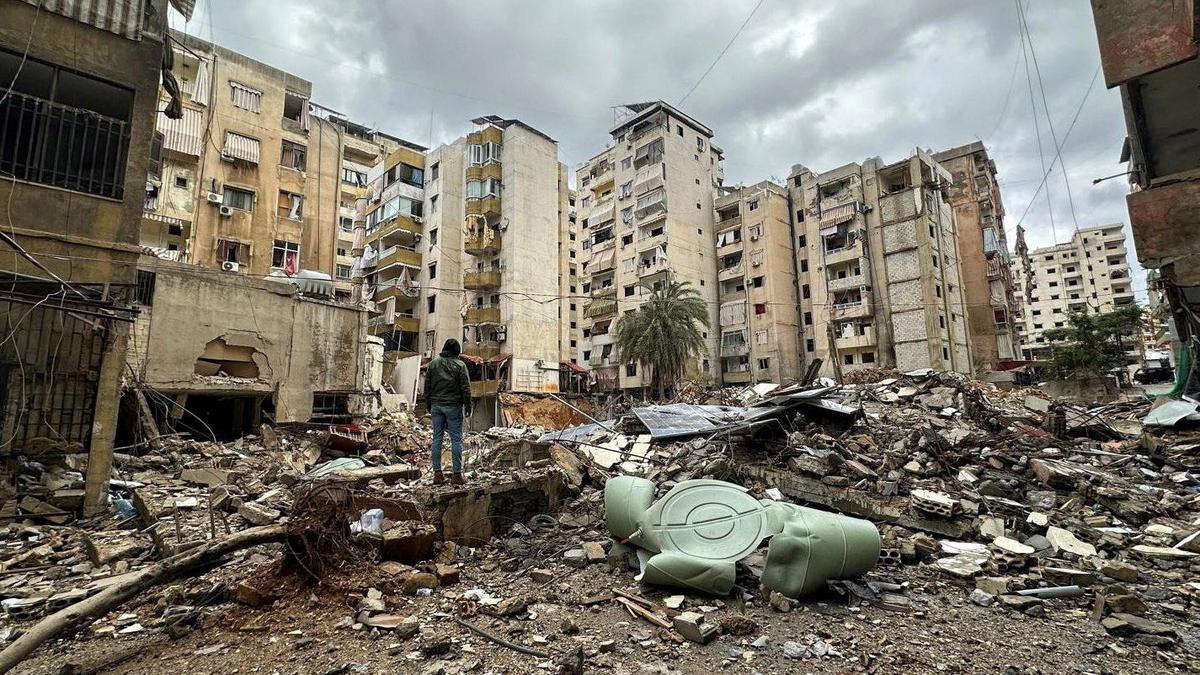
What’s interesting is how people reacted. The public didn't just consume the news; they chose sides like it was a sporting event. But war isn't a game. The civilian toll in Lebanon and the constant trauma for families in northern Israel are real.
Logistics and the Reality of Modern Warfare
Modern war is a hungry beast. It eats through munitions faster than factories can build them. This month showed the world that even the most advanced militaries struggle with inventory. Israel had to rely on a massive "air bridge" from the United States to keep their interceptors stocked.
This brings up a hard truth. Israel is incredibly capable, but they aren't autonomous in a long-term war of attrition. They need the U.S. logistical machine to stay in the fight. Conversely, Iran has shown they can mass-produce "cheap" drones and missiles that force their enemies to use "expensive" interceptors. It’s an asymmetric math problem that favors the guy with the cheaper weapon.
The Nuclear Question Reappears
In the final week of this one-month timeline, the rhetoric around Iran's nuclear program reached a fever pitch. With their conventional air defenses proven vulnerable, hardliners in Tehran began arguing that a "nuclear deterrent" is the only thing that will stop Israel.
This is the most dangerous development of the entire month. If Iran decides that their current arsenal isn't enough to keep them safe, the threshold for a much larger, global conflict drops significantly. We aren't just talking about regional stability anymore; we're talking about the global non-proliferation framework falling apart in real-time.
Why the Status Quo is Dead
Don't expect things to go back to the way they were before this month started. The "rules of the game" that governed the Middle East for twenty years are in the trash. Iran has shown it will launch hundreds of missiles from its own soil. Israel has shown it will strike back inside Iran. The U.S. has shown it will directly intercept Iranian fire.
There’s no "back to normal." There’s only what comes next. The deterrence that kept a lid on a total war has been tested and found wanting.
If you want to understand where this goes next, stop looking at the political speeches. Watch the troop movements in Western Iraq. Watch the oil tanker traffic in the Gulf. Watch the Congressional debates over supplemental military aid. Those are the real indicators of whether month two will be a de-escalation or a descent into something even darker.
Keep an eye on the diplomatic backchannels in Oman. That's usually where the real "off-ramps" are built, though right now, it looks like everyone is still hitting the gas. Check the latest updates from the International Atomic Energy Agency (IAEA) regarding Iranian enrichment levels. That data will tell you more about the risk of a regional nuclear breakout than any news pundit ever could. For now, the best move is to stay informed through primary sources and ignore the social media noise that thrives on panic.