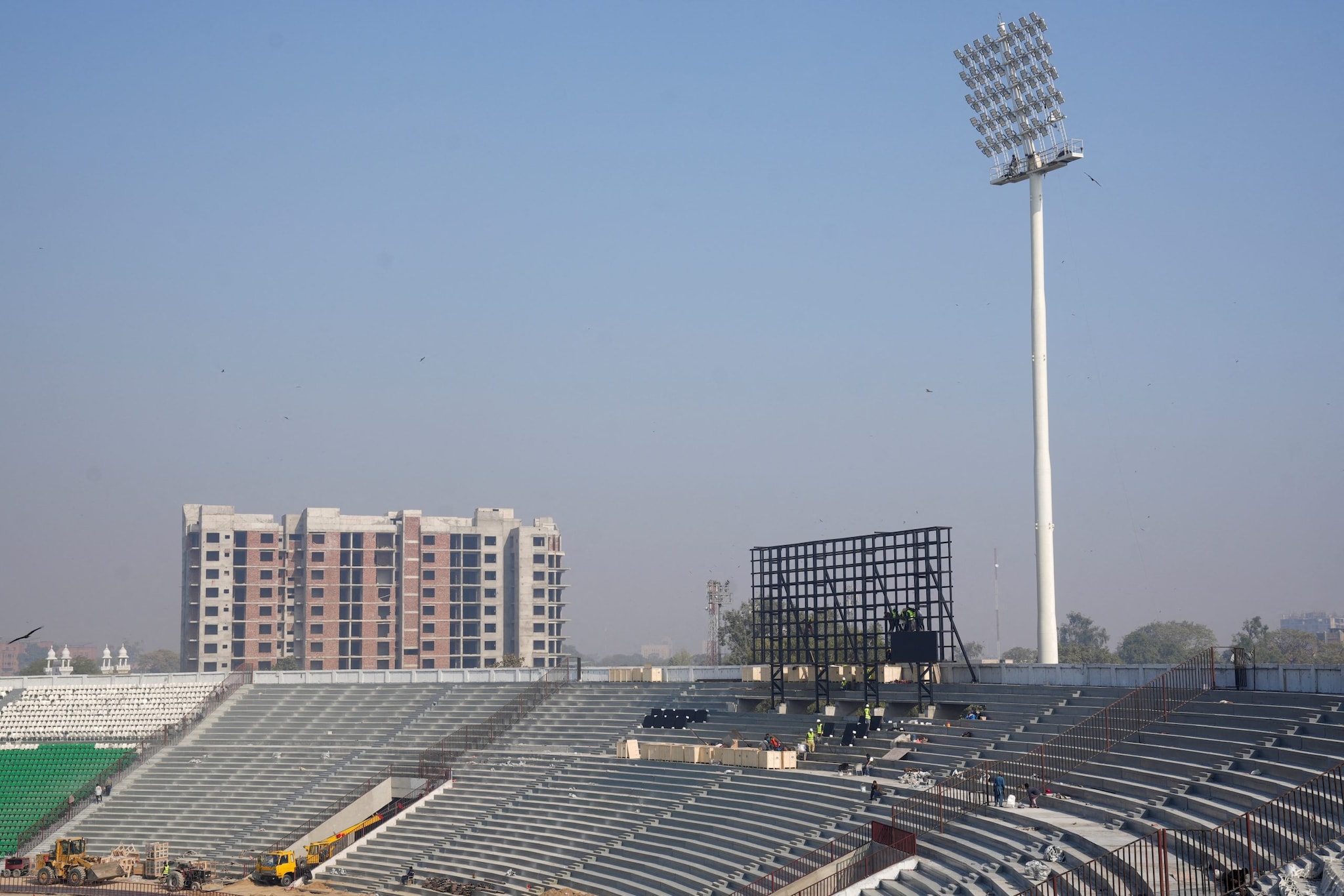
The Pakistan Super League used to be the crown jewel of the Pakistan Cricket Board. It was the one thing that always worked, even when the national team was falling apart on the field. But as we head toward PSL 11, the cracks aren't just showing; they're widening into canyons. The PCB is currently staring down a perfect storm of contract disputes, astronomical pay demands from international stars, and a scheduling nightmare that could break the league's back.
If you think this is just another minor bump in the road for Pakistan cricket, you're wrong. This is an existential threat to the league's status as a top-tier global tournament. For years, the PSL sat comfortably as the second-best T20 league in the world after the IPL. That's no longer a guarantee. With the rise of the SA20 in South Africa and the massive money being thrown around in the UAE's ILT20, the PCB is losing its grip on the talent pool.
The Cash Crunch and Player Demands
Let's talk about the money because that's where the real trouble starts. International players are no longer satisfied with the existing pay brackets. In previous seasons, the Platinum category—the highest tier—capped out at a level that was competitive. Now, it looks like pocket change compared to what players can earn for three weeks of work in Dubai or Cape Town.
Agents are playing hardball. We're seeing reports of top-tier overseas stars demanding "loyalty bonuses" or under-the-table guarantees just to put their names in the draft. If the PCB doesn't hike the salary cap, the big names will simply stop showing up. You can't market a league on "potential" forever. Fans want to see the Rashid Khans and the Alex Hales of the world, not B-grade substitutes who are only there because they couldn't get a contract elsewhere.
The problem for the PCB is that they're squeezed. The franchises are already complaining about the financial model. They aren't all making a profit yet. Asking them to cough up another half-million dollars per team to satisfy player demands is a tough sell. It's a standoff where everyone loses.
Contract Breaches and the Trust Gap
Trust is the currency of any successful sports league. Right now, that currency is devaluing fast in Pakistan. We've seen a worrying trend of players signing contracts and then backing out at the last minute citing "workload management" or sudden injuries that miraculously heal just in time for a different league.
The PCB's legal department is basically playing whack-a-mole. When a player breaks a contract, the league has two choices: sue them and risk never seeing them again, or let it slide and look weak. They've mostly chosen the latter. This creates a culture of entitlement. If a star player knows there are no real consequences for ditching the PSL for a more lucrative short-term gig, they'll do it every single time.
This isn't just about the overseas guys either. Local Pakistani players are starting to feel the heat. They see the money being spent on international imports and wonder why their own salaries haven't kept pace with inflation or their market value. It's a recipe for a locker room disaster.
The Scheduling Nightmare Nobody Wants to Admit
The calendar is the PCB's biggest enemy right now. PSL 11 is set to collide with several other major cricketing events. For the first time, the league might have to move its window, which is usually February and March.
Why does this matter?
- Pitch Quality: Moving the tournament to a different time of year changes how the ball behaves.
- Weather: You don't want your marquee matches washed out by monsoon rains or played in 45-degree heat.
- Broadcasting: If the PSL overlaps with a major ICC event or a heavy bilateral series schedule, TV ratings will crater.
The PCB is trying to squeeze the tournament into a window that barely exists. They're competing for eyeballs and airtime in a market that's already oversaturated. It's a high-stakes gamble that could leave the stadiums empty and the broadcasters demanding refunds.
Why the Big Three Aren't Helping
The "Big Three" (India, Australia, England) continue to dominate the global schedule. When they decide to host a series, the rest of the world has to move. The PCB has very little leverage here. They've tried to build "relationships," but in cricket, cash is king and power follows the money.
The PSL 11 headache is compounded by the fact that the PCB's internal leadership seems to change every time the wind blows. It's hard to negotiate long-term broadcasting deals or sponsorship packages when the person in charge might be gone in three months. Stability is what sponsors crave, and the PCB is currently the least stable organization in world cricket.
The Franchise Revolt
The franchise owners are the ones actually cutting the checks. Lately, they've been more vocal about their frustrations. They're tired of the PCB making unilateral decisions that affect their bottom line. Whether it's the distribution of central pool revenue or the choice of venues, the owners want a seat at the table.
There's talk of some owners looking to sell their stakes if the financial model doesn't improve. If a major franchise like Lahore Qalandars or Karachi Kings were to change hands under duress, it would send shockwaves through the league. It would signal to the world that the PSL isn't the gold mine it was once thought to be.
What Happens Next
The PCB needs to stop reacting and start leading. First, they have to fix the financial model to make it sustainable for franchises while remaining attractive to players. This probably means a complete overhaul of the draft categories and a significant increase in the salary cap, funded by better international broadcast deals.
Second, they need to get tough on contract enforcement. A contract has to mean something. If a player signs, they play. If they don't, there should be a multi-year ban from the league. It sounds harsh, but it's the only way to regain respect.
Finally, the PCB has to stop fighting with its own franchises. They're partners, not subordinates. Until the board treats the team owners with the respect their investment deserves, the PSL will continue to limp from one crisis to the next.
The clock is ticking. PSL 11 could be the season that cements the league's legacy, or it could be the beginning of the end. Fans deserve a world-class product, not a disorganized mess. The PCB needs to get its house in order before the first ball is bowled, or they'll find themselves presiding over a ghost of a tournament.
If you're a fan or an investor, keep a close eye on the upcoming board meetings. The decisions made in the next few weeks will dictate the future of Pakistan cricket for the next decade. Don't expect a smooth ride.