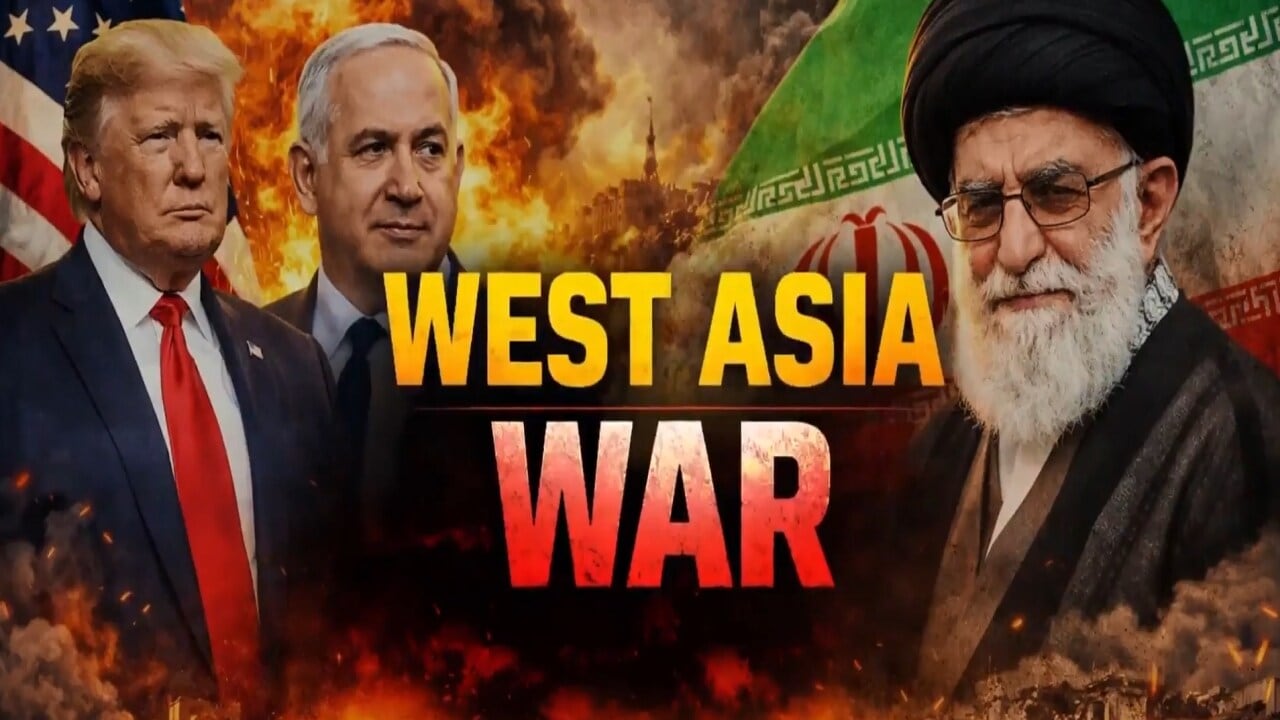
Donald Trump just hit the "repost" button on Truth Social, and the global diplomatic circuit is losing its mind. It’s not just any repost. He shared a screenshot of Pakistani Prime Minister Shehbaz Sharif offering to host peace talks between the U.S. and Iran. If you think this is just social media noise, you’re missing the bigger picture. This is a classic Trump move: bypassing the State Department to signal a major foreign policy shift through a third-party endorsement.
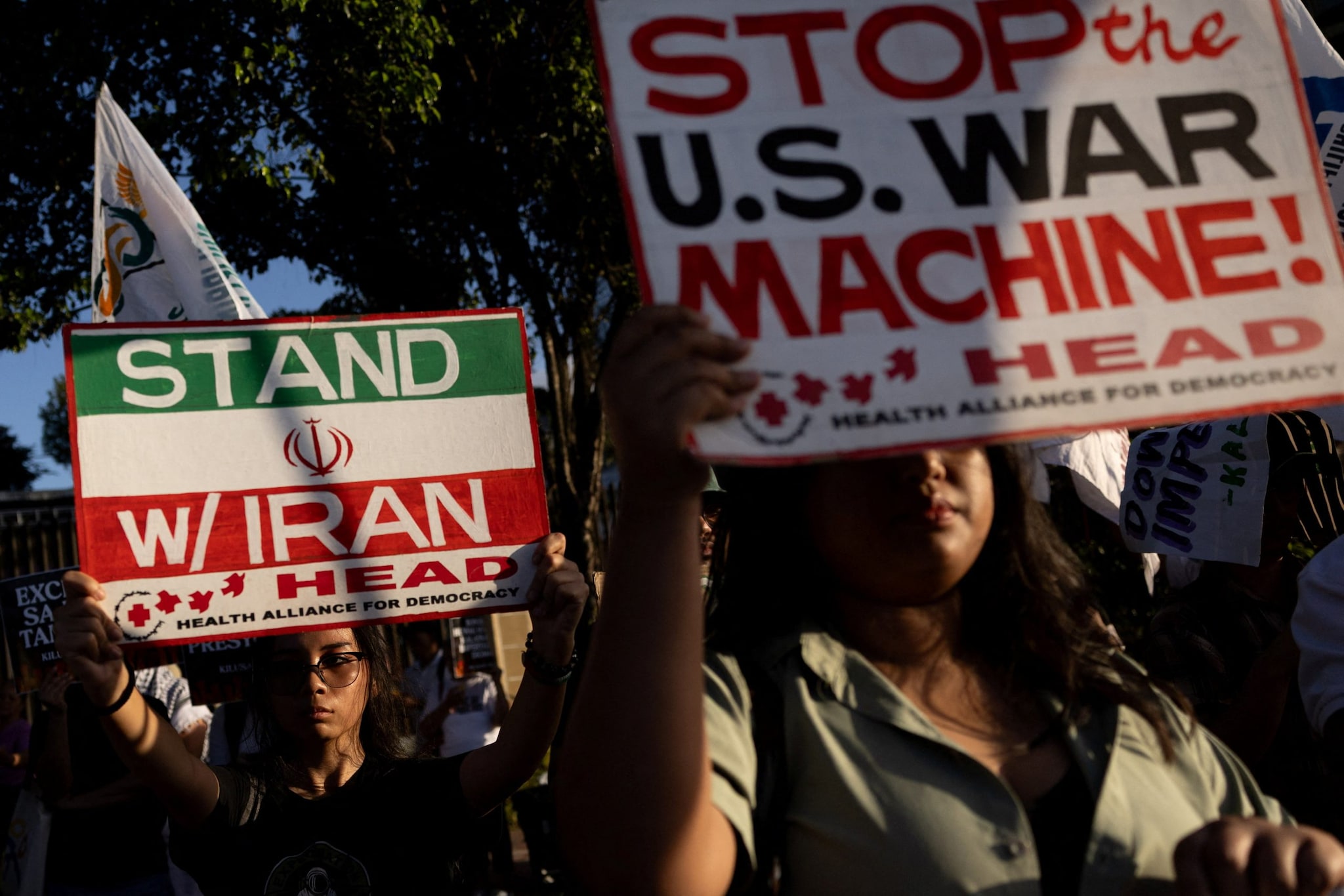
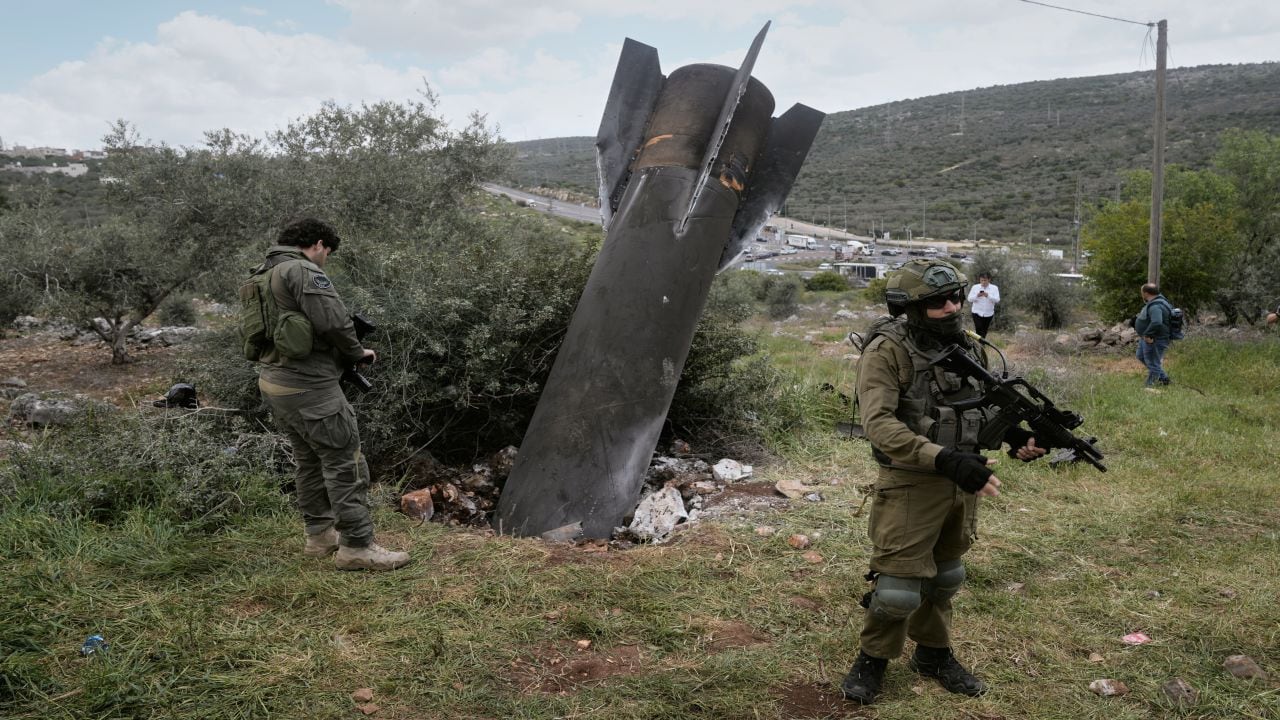
For weeks, the Middle East has been a powderkeg. We’ve seen U.S. and Israeli strikes on Iranian infrastructure, a closed Strait of Hormuz, and oil prices flirting with $112 a barrel. Now, Pakistan—a country usually struggling with its own internal chaos—is suddenly the most important room in the world. If you enjoyed this post, you might want to check out: this related article.
The Islamabad connection
Pakistan isn't an obvious choice for a peace summit. It’s broke, politically fractured, and dealing with a resurgence of the Afghan Taliban on its border. But it has something no one else has: a working relationship with both Washington and Tehran.
I’ve watched these dynamics for years. Most countries pick a side. Pakistan can’t afford to. They house the world’s second-largest Shiite population, meaning a full-scale war in Iran would likely trigger a civil war inside Pakistan. They aren't mediating out of the goodness of their hearts; they're doing it for survival. For another angle on this story, check out the recent coverage from TIME.
Trump’s repost confirms what backchannel reports have been whispering for days. Army Chief Asim Munir has been on the phone with Trump, and Sharif has been coordinating with Iranian President Masoud Pezeshkian. When Trump shares a post like that, he’s effectively giving Islamabad the "green light" to act as the primary conduit.
Why Trump is betting on Pakistan
Trump’s "Art of the Deal" style has always relied on unconventional intermediaries. Remember the North Korea summits? He likes grand stages and unlikely protagonists. Pakistan fits the bill perfectly.
- The 15-point demand list: Reports suggest the U.S. has already funneled a 15-point list of demands to Tehran through Pakistani intelligence. This isn't theoretical; it's active plumbing.
- The JD Vance factor: There's serious talk that Vice President JD Vance, not just special envoys like Steve Witkoff or Jared Kushner, might actually land in Islamabad this weekend. Sending the VP would turn a "chat" into a historic summit.
- Credibility with the IRGC: Unlike Qatar or Oman, who are often seen as too aligned with Western interests, Pakistan’s military establishment carries weight with the Iranian security apparatus. If the Revolutionary Guard is going to listen to anyone, it’s a fellow regional military power.
The Iranian denial game
Tehran is currently playing a double game. Officially, they’re calling reports of direct talks "fake news." Iranian Parliament Speaker Mohammad Bagher Ghalibaf dismissed the claims, likely to soothe hardliners at home who view any negotiation as a surrender.
But look at the actions, not the words. Iran’s foreign ministry recently admitted they received messages from "friendly countries" regarding a U.S. request for negotiations. They’re leaving the door ajar while publicly slamming it shut. Trump’s five-day pause on strikes against Iranian energy infrastructure—set to expire this Saturday—is the ultimate "carrot." He’s basically told them: "Talk in Islamabad, or the power goes out."
What this means for the global economy
If these talks actually happen in Islamabad, the immediate winner is the global energy market. The Strait of Hormuz is the world's most important oil chokepoint. It’s currently a graveyard for shipping schedules.
- Oil Price Volatility: The mere rumor of these talks caused a slight dip in crude futures. A formal meeting would likely send prices tumbling back toward $80.
- Regional Stability: If Pakistan successfully brokers even a temporary ceasefire, it cements its status as a regional heavyweight. This is a major play for a country that was nearly a pariah in Washington just a few years ago.
The risks of a failed summit
Don't get too excited yet. This is high-stakes gambling. If Trump’s team shows up in Islamabad and the Iranians ghost them, the escalation will be twice as violent. Trump doesn't handle being stood up well.
The Iranian leadership is fractured. You have the pragmatists who want sanctions relief and the IRGC hardliners who want "remorseful punishment" for the U.S. strikes. Pakistan is trying to bridge a gap that might be physically impossible to close.
If you're tracking this, keep your eyes on two things: the movement of Steve Witkoff’s plane and any official statements from the Pakistani Foreign Ministry regarding "guest arrivals." The five-day window is shrinking.
Pakistan has successfully leveraged its geography and its military ties to put itself at the center of the world's most dangerous conflict. It’s a bold move that could either lead to a Nobel Prize for the participants or a massive regional explosion by Sunday.
If you're a business owner or an investor, you need to be preparing for both scenarios. Hedging against a sudden spike in energy costs if the Saturday deadline passes without a breakthrough is the only smart move right now. Watch the Islamabad news cycle like a hawk; it's currently the only thing that matters for the global economy.