The lights are flickering across the archipelago and it isn’t just a localized grid failure. When the Philippine government officially moves to declare a National Energy Emergency, it’s a signal that the usual band-aid solutions have failed. We’re looking at a perfect storm where aging power plants, a heavy reliance on imported fuel, and the explosive volatility of the West Asia conflict have finally collided. It’s a wake-up call that’s been years in the making.
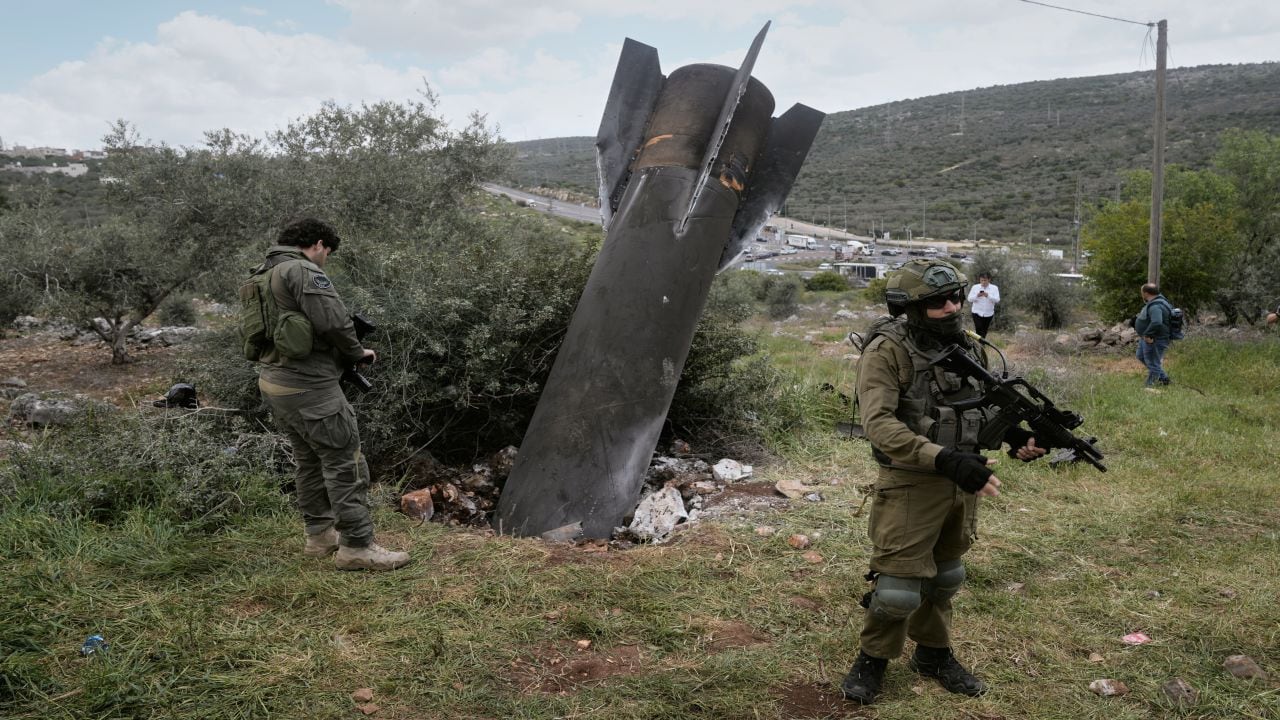
You’ve probably seen the headlines about tensions in the Middle East. For most, that feels like a world away. But for a country that imports nearly 90% of its fuel for transport and a massive chunk for power generation, a missile strike in the Strait of Hormuz is basically a direct hit on the Filipino wallet. The Department of Energy (DOE) isn’t just being dramatic. They’re looking at the math. If global supply chains snap, the Philippines is at the end of a very long, very fragile rope.
Why West Asia is the Trigger Not the Cause
It's easy to blame external wars for our domestic problems. It’s a convenient narrative for politicians. But let’s be real. The West Asia crisis is only the catalyst. The underlying "sickness" in the Philippine energy sector is a chronic lack of diversification and a failure to modernize the grid.
When we talk about a National Energy Emergency, we’re talking about the government gaining extraordinary powers to bypass red tape. Normally, building a power plant or securing a supply contract takes years of bureaucratic dancing. Under an emergency declaration, the executive branch can fast-track projects and, more importantly, reallocate funds to subsidize fuel costs or secure emergency reserves.
The "West Asia fear" isn't just about the price of gas at the pump. It’s about the "merit order" in the Wholesale Electricity Spot Market (WESM). When coal and gas prices spike globally because of shipping disruptions, those costs pass directly to you. Your monthly bill isn't just paying for electricity. You’re paying for the risk premium of a world at war.
Breaking Down the Emergency Measures
What does this actually look like on the ground? It’s not just a piece of paper signed in Malacañang. There are three specific levers the government pulls when the "Emergency" button is pressed.
First, there’s the suspension of certain environmental restrictions for older "peaker" plants. These are the diesel-fed monsters that usually stay off because they’re expensive and dirty. In an emergency, we don't care about the carbon footprint as much as we care about keeping the hospitals running. They get fired up to fill the gap when the main grid sags.
Second, the government can implement "Interruptible Load Programs" (ILP) on a mandatory basis. Usually, big malls and factories volunteer to run their own generators to take pressure off the public grid. During a national emergency, this moves from a "pretty please" to a "do it now."
Third, and perhaps most controversial, is the potential for price caps. While this sounds great for the consumer, it’s a double-edged sword. If the government forces prices too low, suppliers might simply stop importing because they’re losing money on every barrel. That’s how you end up with "no load" shedding—a polite term for scheduled blackouts.
The Malampaya Factor and the Natural Gas Gap
We can't talk about Philippine energy without talking about Malampaya. For decades, this offshore gas field was the crown jewel of our energy independence. It powered roughly 30% of Luzon. But Malampaya is running dry.
The transition to Liquefied Natural Gas (LNG) was supposed to be the bridge. We built the terminals. We invited the investors. But LNG is a global commodity. If Europe is outbidding Asia for gas because they’re scared of Russian supply cuts, and if West Asia is on fire, the "bridge" becomes a very expensive toll road.
Energy Secretary Raphael Lotilla has been vocal about the need for "indigenous" energy. That’s code for: we need stuff we don't have to put on a boat. Geothermal, solar, and wind are great, but they aren't "baseload" yet. You can’t run a steel mill on a cloudy day without massive battery storage, which we simply don't have.
How This Hits Your Daily Life
Don't expect the emergency declaration to make your bill go down. It won't. If anything, it’s a defensive crouch to prevent the bill from doubling or the power from disappearing entirely.
- Food Inflation: Everything you eat is transported. Transport requires fuel. If the energy emergency isn't managed, the cost of a kilo of rice or a bag of sugar climbs.
- Service Reliability: Expect "brownouts" (the short ones) to become "blackouts" (the long ones) if the grid isn't stabilized.
- Business Uncertainty: Small businesses can’t afford massive industrial generators. A three-hour power cut can kill the daily profit of a neighborhood bakery or a cold storage facility.
The government’s goal with this declaration is to prevent a "Red Alert" status where the grid literally doesn't have enough juice to meet demand. We’ve been hovering in "Yellow Alert" territory for far too long. Yellow means "be careful." Red means "someone is losing power right now."
The Myth of Instant Energy Independence
I hear people say we should just "go 100% renewable" tomorrow. I wish it were that easy. It’s not. The Philippine grid is fragmented. We’re an island nation. You can't just string a wire from a wind farm in Ilocos to a factory in Davao without losing half the power along the way.
The emergency declaration is a confession that our current infrastructure is brittle. It’s an admission that we are beholden to the whims of geopolitical actors half a world away. To fix this, the Department of Energy is looking at nuclear—specifically Small Modular Reactors (SMRs). But those are a decade away. For now, the emergency is about survival, not transformation.
What You Should Do Right Now
The government is doing its part (belatedly), but you shouldn't just sit around and wait for the lights to go out. Realistically, we're looking at a rocky 24 months.
Start by auditing your own consumption. This isn't just about turning off the lights. It’s about understanding that peak hours—usually between 10:00 AM and 3:00 PM—are when the grid is most stressed. If you can shift heavy tasks like laundry or industrial pumping to off-peak hours, you’re helping lower the overall demand that triggers those expensive "peaker" plants.
Invest in basic backup systems if you’re running a home office or a small business. We aren't talking about million-peso setups. Simple power stations or even high-quality UPS systems can save your hardware when the grid flinches.
Lastly, stay informed about the DOE’s weekly outlooks. They publish "Red and Yellow Alert" forecasts. If you see a week full of Yellow, prepare for the worst. The National Energy Emergency is a tool for the state, but personal preparedness is the only tool that actually keeps your own lights on.
We’ve survived energy crises in the 90s. We’ll survive this one too. But don't expect it to be cheap or easy. The era of "set it and forget it" electricity in the Philippines is officially over. It’s time to pay attention.