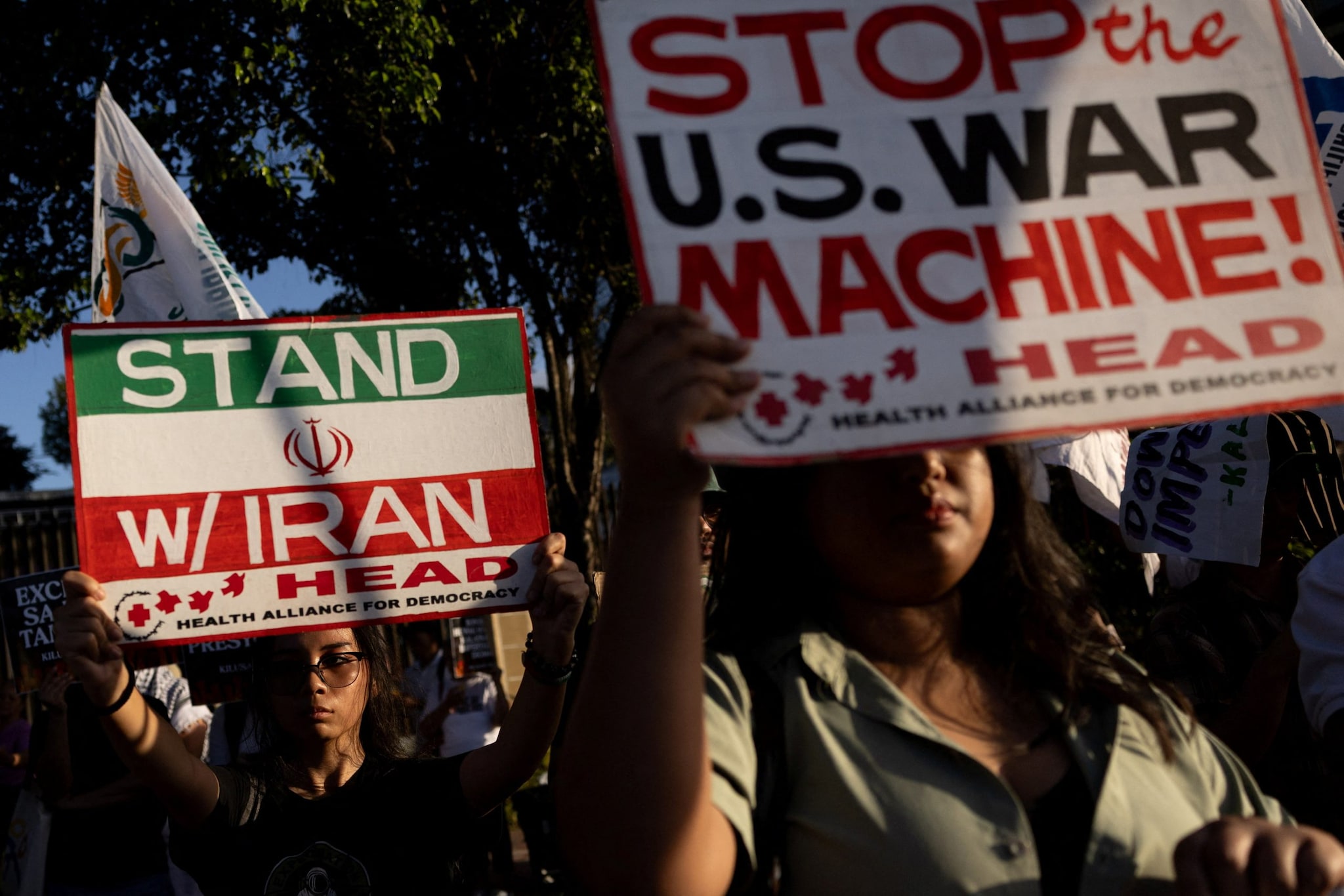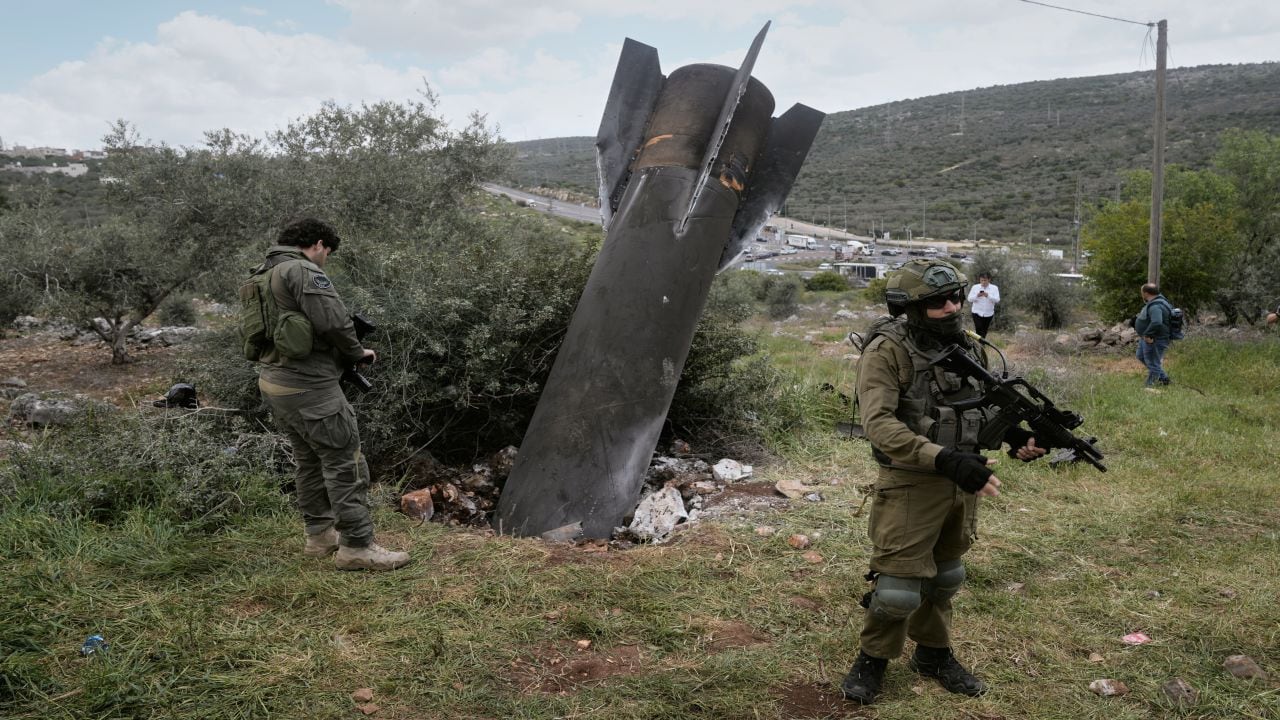
The smoke rising from the Ruwais refinery in Abu Dhabi and the shuttered LNG terminals in Qatar tell a story that Washington is not yet ready to admit. For three weeks, the Trump administration has maintained a public posture of "total victory," claiming the Iranian military has been "obliterated" by 900-strike salvos. But the quiet movement of the 82nd Airborne to the region and the sudden acceleration of the USS Boxer’s deployment suggest the "mission accomplished" banner was hung too early.
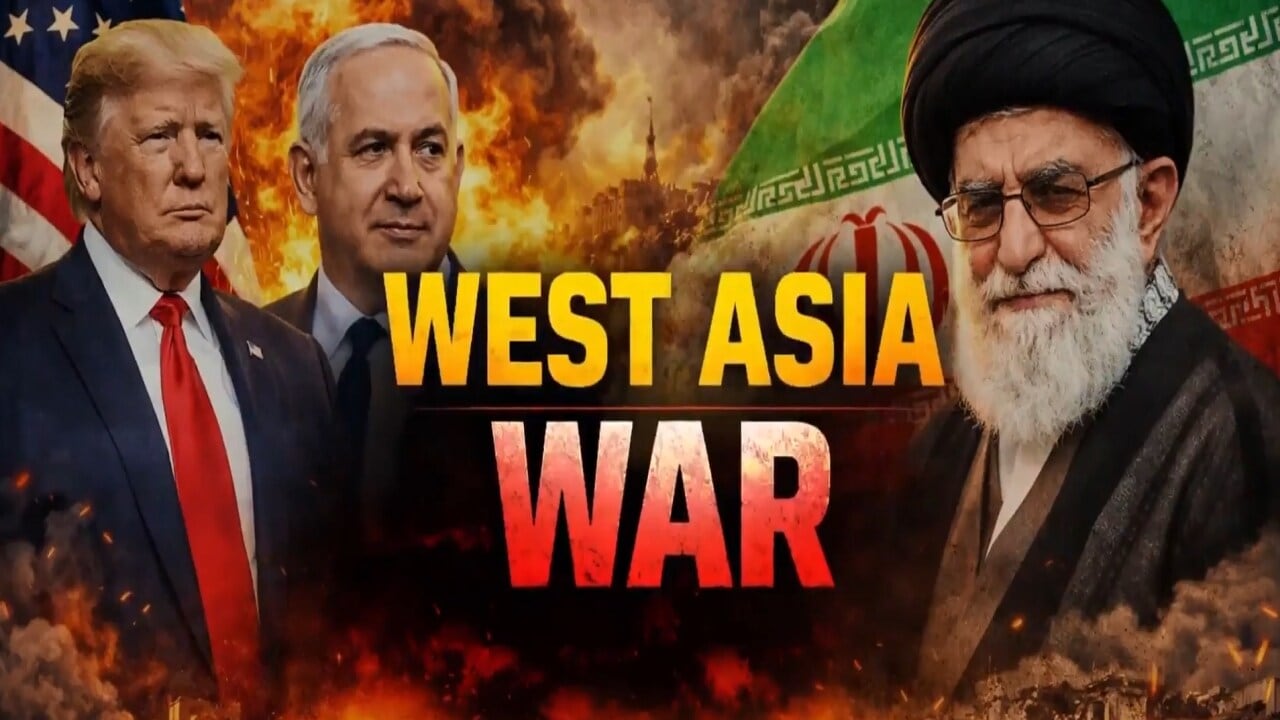
The primary query haunting the global energy market is whether Donald Trump’s recent "ceasefire pitch" is a genuine olive branch or a tactical pause designed to mask a massive troop surge. The answer lies in the gap between the President’s Truth Social posts and the Pentagon’s logistics manifests. While Trump floats the idea of "winding down," his commanders are preparing for a "generational" degradation of Iranian capabilities—a task that requires boots on the ground at places like Kharg Island.
The Myth of the Clean Air War
Operation Epic Fury was sold as a surgical decapitation. By targeting nuclear sites and senior leadership, including the strike that claimed Ali Khamenei in the opening hours, the U.S. and Israel expected a swift collapse. Instead, they triggered a "precise mass" retaliation that the Gulf monarchies—Saudi Arabia, the UAE, and Qatar—are now paying for in scorched infrastructure.
The Iranian strategy has shifted from conventional defense to an economic war of attrition. By using inexpensive drone swarms to target desalination plants and refineries, Tehran has proved that air superiority does not equal regional security. This is the "why" behind the current mobilization. Air strikes alone failed to stop the harassment of the Strait of Hormuz. To truly "open" the waterway, as Trump has demanded, the military reality suggests a buffer zone must be established on the Iranian coastline.
The Gulf’s Brutal Calculation
There is a significant irony in the current diplomatic climate. Before the war began on February 28, the Gulf states were the loudest voices for de-escalation, fearing exactly the kind of retail-level destruction they are now witnessing. Now that the damage is done, their tone has hardened.
Senior officials from Riyadh and Abu Dhabi have quietly signaled to Washington that a ceasefire now would be a "strategic disaster." Their logic is cold: if the war ends while Iran still possesses the "tools of harassment," the Gulf will be left permanently vulnerable to a wounded but still capable neighbor. They are no longer asking for peace; they are asking for the job to be finished.
The shift in Gulf sentiment is driven by three factors:
- Failed Deterrence: The "Maximum Pressure" of Trump’s first term and the "Epic Fury" of his second both failed to protect Saudi oil fields.
- Infrastructure Fragility: The temporary shutdown of Ras Tanura and the suspension of Qatari LNG exports have exposed the "connectivity" dream of the GCC as a liability in an active war zone.
- The Nuclear Question: With U.S. intelligence suggesting Iran was weeks away from a weaponized device before the strikes, the monarchies view this as a terminal conflict.
The Kharg Island Contingency
The most overlooked factor in the current "ceasefire" talk is Kharg Island. Situated just 25 kilometers off the Iranian coast, this eight-square-mile rock handles 90 percent of Iran’s crude exports. While Trump claims he wants to avoid "boots on the ground," the Pentagon is actively reviewing plans to occupy or blockade the island.
This is where the 3,000 to 4,000 soldiers from the 82nd Airborne come in. You don’t send elite paratroopers to hand out aid during a ceasefire. You send them to seize high-value targets. If Trump can hold Kharg Island, he holds the only lever Iran truly cares about. This isn't a wind-down; it’s a setup for a hostage-taking of the Iranian economy.
The Credibility Gap
Trump’s contradictory messaging—ruling out a ceasefire on Friday, then suggesting a "wind down" on Truth Social by Saturday—is often dismissed as erratic behavior. In reality, it serves a dual purpose. It keeps the Iranian leadership off-balance while providing political cover for the logistical buildup in the Gulf.
The "cowardice" Trump assigned to NATO allies for their refusal to patrol the Strait of Hormuz is a classic diversion. While he berates Europeans, his administration is pressuring China to get involved and looking for ways to shift the financial burden of the war onto the very Gulf states currently under fire.
The truth is that the United States is currently overextended. The Navy's two-carrier deployment in the theater—the USS Abraham Lincoln and the USS Gerald R. Ford—is a massive drain on resources. The "ceasefire pitch" provides the necessary time to rotate exhausted crews and move the Marine Expeditionary Units into striking distance of the Iranian coast without triggering a global panic.
The High Cost of the Finish Line
We are seeing the limits of 21st-century warfare. Even with the "obliteration" of the Iranian Navy and Air Force, the U.S. is finding that a decentralized enemy with a warehouse full of $20,000 drones can hold a $100-per-barrel oil market hostage.
The mobilization isn't about winning a war that Trump already claims is "won." It’s about the fact that airpower failed to deliver the "New Middle East" promised in the campaign. As the 82nd Airborne prepares for deployment, the reality is that the U.S. is drifting toward the very ground war Trump swore he would never start.
The ceasefire isn't a peace plan. It is a reload.
Would you like me to analyze the specific economic impact of the Kharg Island blockade on global Brent Crude futures?