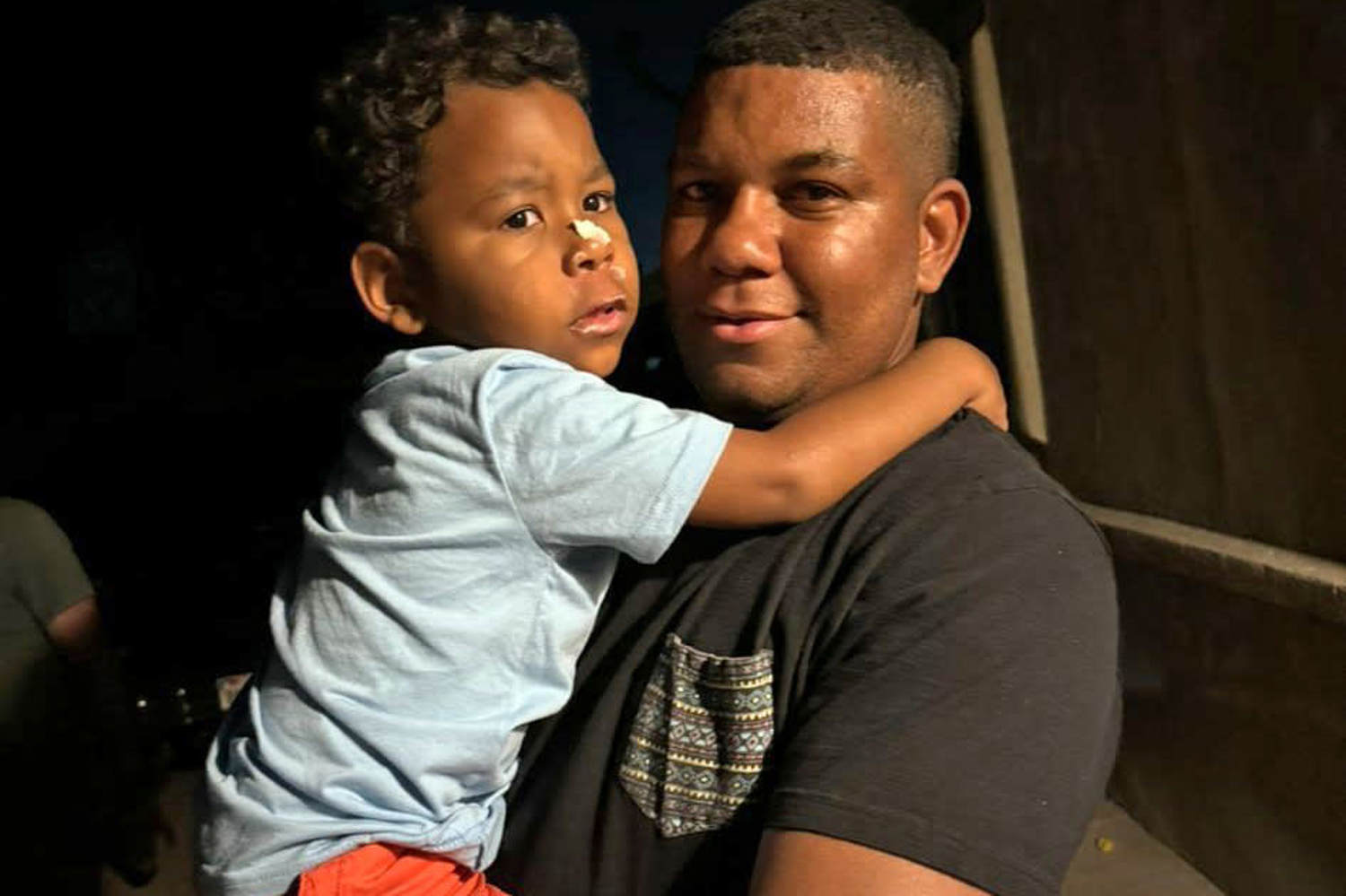
The detention of a nonverbal five-year-old child by U.S. Immigration and Customs Enforcement (ICE) represents a breakdown in standard vulnerability assessment protocols within the American immigration system. While the case concluded with the child's release following high-profile digital intervention, the structural mechanisms that allowed for the initial detention—and the specific clinical risks associated with disrupting the development of a neurodivergent minor—warrant a rigorous deconstruction. This analysis examines the intersection of administrative policy, developmental psychology, and the role of external social leverage in navigating federal bureaucracy.
The Triad of Institutional Failure
The detention of a nonverbal minor is rarely the result of a single decision; it is the output of three distinct systemic friction points. If you liked this article, you should look at: this related article.
- Screening Inaccuracy: Federal processing centers often lack the specialized pediatric diagnostic tools required to identify non-apparent disabilities. A child who is nonverbal may be categorized simply as "uncooperative" or "stressed" due to the environment, leading to a failure to trigger the "vulnerable population" protocols that should theoretically prioritize release or specialized placement.
- Information Asymmetry: There is a profound gap between the medical history of the migrant and the data available to the detaining agency. Without immediate access to previous clinical records, the system defaults to a generalized custodial model rather than a specialized care model.
- The Administrative Lag: Even when a vulnerability is identified, the bureaucratic inertia required to move a file from "standard processing" to "humanitarian release" creates a dangerous time-gap. For a child with significant developmental needs, 48 hours in a high-stress, low-stimulus environment can result in long-term regression.
Developmental Architecture and the Risk of Regression
The impact of detention on a five-year-old—particularly one with a pre-existing nonverbal condition—must be viewed through the lens of neuroplasticity and environmental stress. In developmental psychology, "toxic stress" refers to the prolonged activation of stress response systems in the absence of protective adult support.
The Cortisol Feedback Loop
In a detention setting, the brain's amygdala remains in a state of hyper-arousal. For a neurodivergent child, this is compounded by sensory overload or deprivation. The resulting surge in cortisol inhibits the function of the prefrontal cortex, which is critical for the very language and social skills the child is already struggling to develop. For another look on this story, refer to the latest update from NBC News.
Sensory Integration Disruption
Nonverbal children often rely on highly specific environmental cues and routines to navigate their world. The removal of these anchors during detention causes a "systemic reset" where the child may lose previously mastered coping mechanisms. This is not merely a temporary setback; it is a fundamental disruption of the developmental trajectory.
The Ms. Rachel Effect: Social Capital as a Bureaucratic Bypass
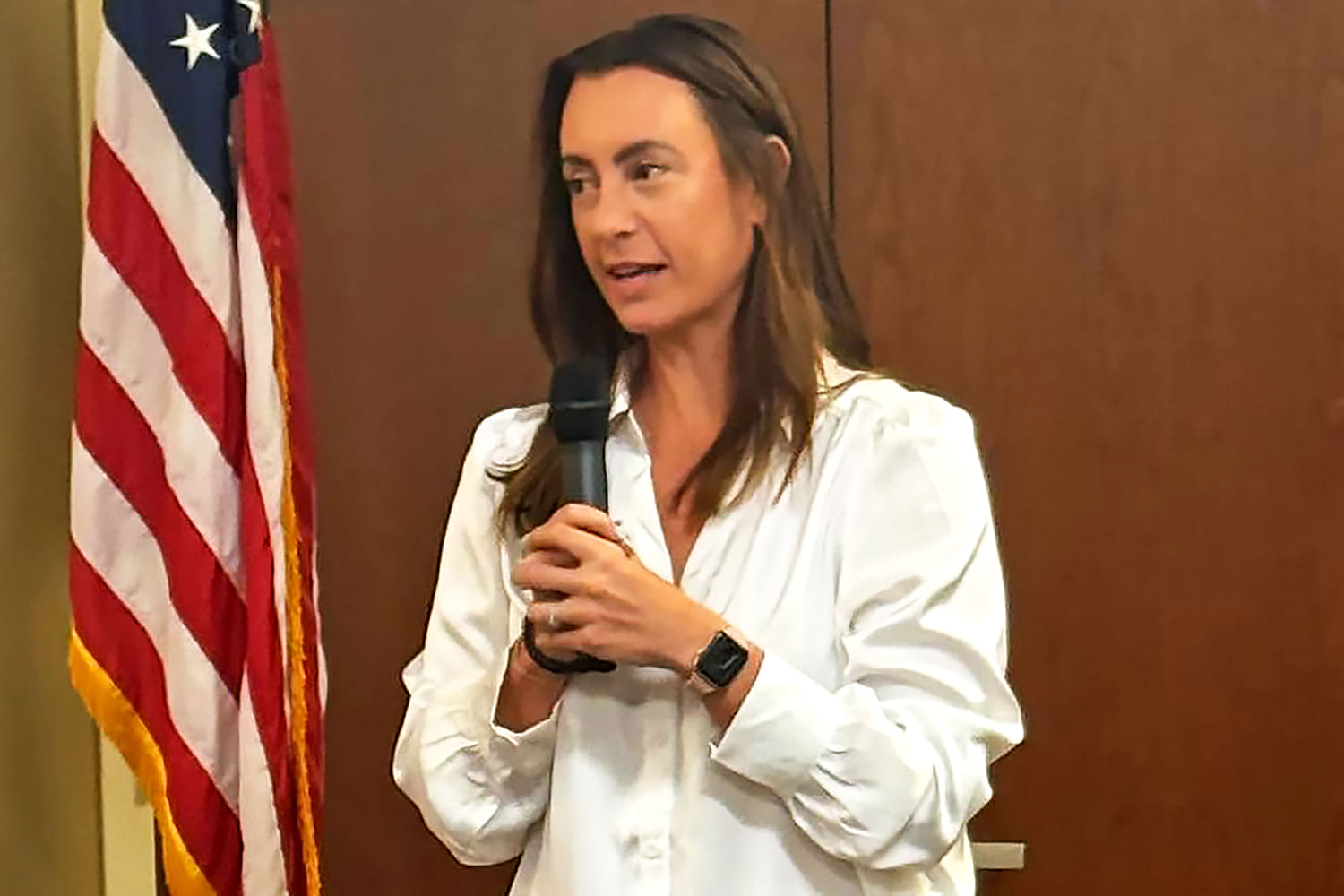
The resolution of this case was not triggered by internal audit, but by the application of external social capital. Rachel Accurso, known professionally as Ms. Rachel, represents a unique form of "soft power" intervention in federal administrative matters.
The mechanism of her influence can be broken down into three components:
- Visibility Amplification: By engaging with the case, Accurso converted a localized administrative error into a national reputational risk for the agency involved.
- The Parasocial Trust Variable: Because Accurso is a trusted figure for millions of parents, her advocacy bypassed the standard partisan skepticism often associated with immigration reporting. Her involvement framed the issue as a "child welfare" problem rather than a "border security" problem.
- Direct Digital Advocacy: The use of a Zoom call to connect with the child while in detention served a dual purpose: it provided immediate (though limited) therapeutic familiarity to the child and created a documented event that pressured officials to act.
Structural Constraints of the Office of Refugee Resettlement (ORR)
While ICE handles initial apprehension, the transfer of minors usually falls under the jurisdiction of the ORR, an arm of the Department of Health and Human Services (HHS). The bottleneck occurs at the hand-off.
The "Least Restrictive Setting" mandate requires that children be placed in settings that best meet their needs, yet the supply of specialized foster care or therapeutic housing for neurodivergent migrant children is statistically insufficient. This creates a "warehousing" effect where children remain in high-security environments simply because the specialized alternative is at capacity.
The second constraint is the "Sponsor Verification" process. To release a child to a relative in the U.S., the government must vet the sponsor's background. While intended to prevent trafficking, the rigorous nature of this vetting often clashes with the urgent clinical needs of a child whose mental health is deteriorating in real-time.
Quantifying the Cost of Delayed Release
From a purely operational standpoint, the detention of high-vulnerability minors is an inefficient use of federal resources.
- Medical Liability: The cost of providing emergency psychiatric or medical care for a child in crisis within a detention facility far exceeds the cost of supervised release or community-based monitoring.
- Legal Scrutiny: Each day a vulnerable minor remains in detention increases the likelihood of litigation, which carries both direct legal costs and the indirect cost of mandatory policy overhauls.
- Public Relations Capital: The "reputational tax" paid by agencies when high-profile cases go viral leads to increased congressional oversight, which can result in restricted budgets or forced leadership changes.
The Role of Telehealth in Crisis Mitigation
The Zoom call between Ms. Rachel and the child highlights an underutilized tool in the immigration framework: remote developmental support.
If federal facilities integrated telehealth and digital therapy platforms into their standard operating procedures, the "regression gap" could be narrowed. Providing a child with familiar digital stimuli—whether it is an educational program or a call with a specialist—functions as a bridge that maintains neural pathways during the period of administrative processing. However, the current infrastructure prioritizes security hardware over digital therapeutic software, creating a gap in the "duty of care."
Strategic Recommendation for Reform
To prevent the recurrence of such failures, the immigration processing framework must transition from a custodial-first model to a triage-first model.
The implementation of a "Vulnerability Scoring Matrix" at the point of first contact is essential. This matrix must assign numerical weights to nonverbal status, age, and signs of acute trauma. Any child scoring above a specific threshold should be automatically diverted to a non-custodial, health-focused track within six hours of arrival. This would effectively remove the reliance on celebrity intervention and replace it with a data-driven protocol.
Furthermore, the legal threshold for "humanitarian release" needs a precise clinical definition. Currently, the term is applied inconsistently at the discretion of field officers. By codifying neurodivergent status as a primary criterion for immediate release to vetted sponsors, the system can reduce its own liability while adhering to the pediatric standards of care.
The release of the five-year-old in this instance was a successful outcome of an ad-hoc intervention, but it serves as a stark indictment of the standard operating procedure. Relying on digital fame to secure the safety of a child is a non-scalable solution to a systemic defect. The path forward requires the integration of pediatric clinical standards directly into the logistics of border management.