The air in Riyadh usually tastes of dust and expensive gasoline, a dry heat that settles into your lungs like a familiar weight. On a Tuesday evening, the city performs its usual ritual. The roar of luxury SUVs on the King Fahd Road provides a constant, rhythmic hum. Families gather behind high walls. In the diplomatic quarter, the American Embassy stands as a fortress of glass, concrete, and certainty. It is a monument to an alliance that has defined the global movement of oil and power for nearly a century.
Then, the sound changed.
It wasn't the deep, chest-thumping boom of a traditional missile. It was a persistent, lawnmower-like drone that gnawed at the edges of the night. It was the sound of a hobbyist’s toy repurposed for the end of the world. By the time the air defense sirens began their mournful wail, the sky was already streaked with the jagged silhouettes of Iranian-manufactured suicide drones.
One moment, the embassy was a beacon of geopolitical stability. The next, it was a target.
The report from the ground was cold, clinical, and terrifying. Saudi Arabian officials confirmed that a swarm of drones, launched from positions linked to Iranian-backed militias, had penetrated the perimeter. The impact was not just physical. When a drone strikes a diplomatic mission, it doesn't just shatter windows. It shatters the illusion of safety that keeps the modern world spinning.
The Physics of a New Fear
War used to be a business of giants. To threaten a superpower, you needed a navy, an air force, and a treasury deep enough to fund them. You needed a seat at the table of nations. That reality has evaporated. We are living through the democratization of destruction.
Consider the drone itself. It is a collection of off-the-shelf components, carbon fiber, and a GPS chip not much more sophisticated than the one in your smartphone. It costs less than a used sedan. Yet, when programmed with a specific set of coordinates, it becomes a precision-guided assassin.
In the attack on the Saudi capital, these "loitering munitions" navigated the complex radar blankets of the city by flying low, hugging the contours of the desert floor, and hiding in the electronic noise of a bustling metropolis. They are the mosquitoes of modern warfare—small, cheap, and potentially lethal. For the defenders, the math is heartbreaking. A Patriot missile battery, the gold standard of defense, costs millions of dollars per shot. To down a drone that costs twenty thousand dollars, you must spend a fortune.
The attackers aren't trying to win a traditional battle. They are trying to bankrupt the system, both financially and psychologically.
The Human Cost of High-Stakes Geopolitics
Imagine you are a low-level staffer at the embassy. You moved to Riyadh because you wanted to see the world, or perhaps because you believed in the slow, grinding work of diplomacy. You are sitting at a desk, perhaps finishing a report on regional trade, when the walls begin to shudder.
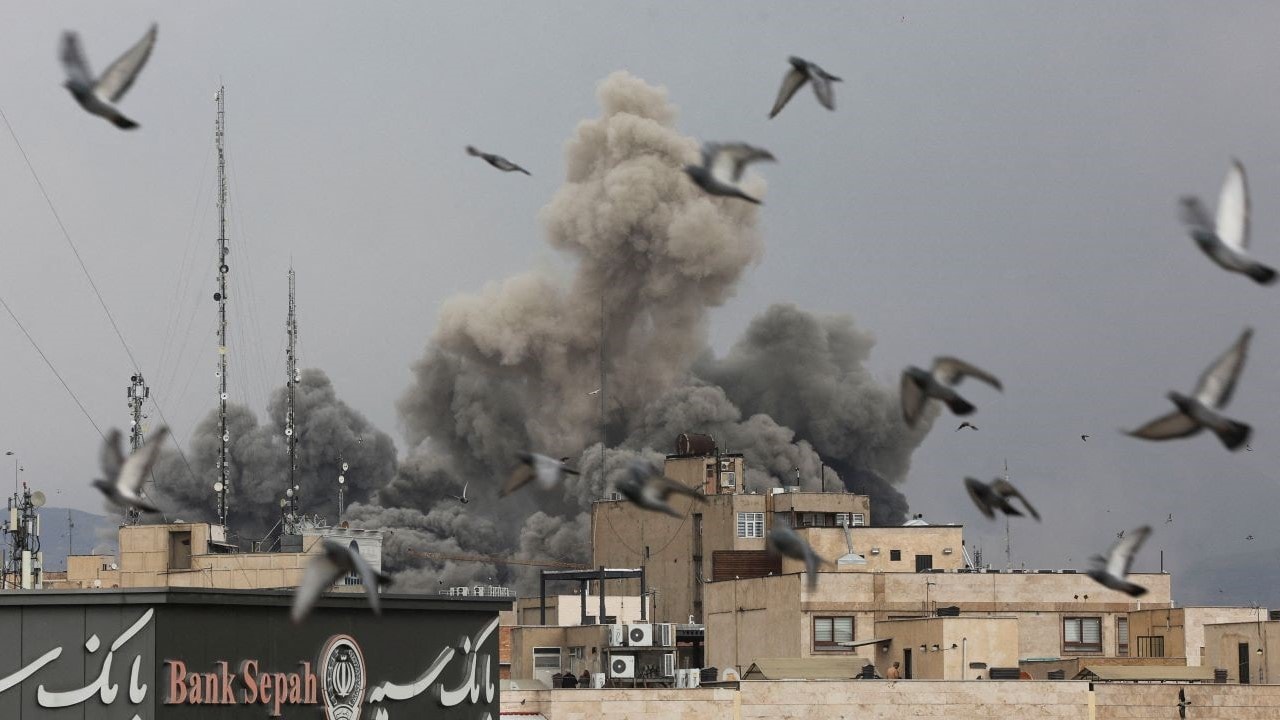
The explosion of a drone is sharp. It’s a high-velocity signature that sends shrapnel through office partitions and turns everyday objects—laptops, coffee mugs, framed photos—into jagged projectiles. In this specific strike, the devastation was focused on the structural integrity of the outer compounds. The debris scattered across the sand wasn't just metal; it was the physical remains of a decade of diplomatic outreach.
There is a specific kind of silence that follows an explosion. It’s a ringing, hollow void where the world seems to hold its breath. In that silence, the power dynamics of the Middle East shifted.
Saudi Arabia has spent billions on its defense infrastructure. Iran, hampered by decades of sanctions, has taken a different path. They didn't build a better shield; they built a more clever sword. By utilizing proxies and low-cost technology, they have found a way to project power across borders without ever putting a soldier on the ground. This isn't just a military maneuver. It is a message sent in fire: Nobody is out of reach.
The Invisible Strings of the Region
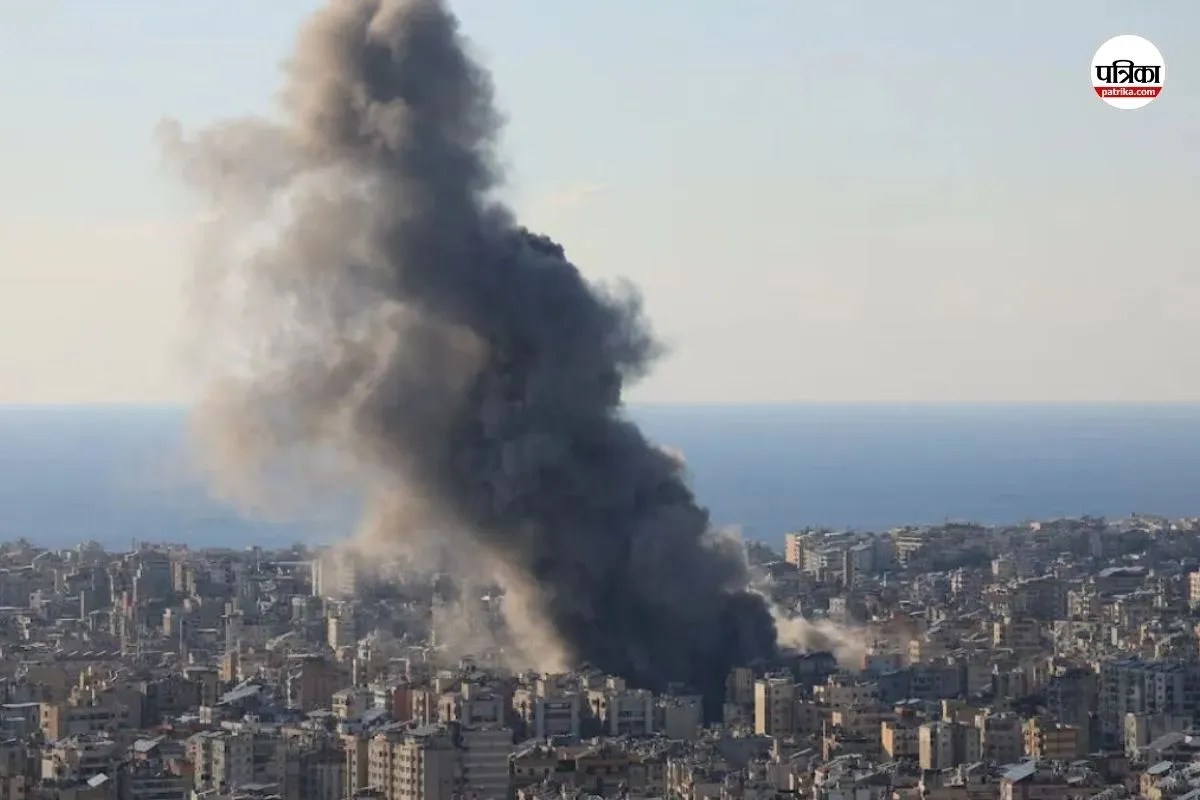
To understand why a drone in Riyadh matters to a driver in Chicago or a shopkeeper in London, you have to look at the invisible threads of the energy market. The Middle East remains the beating heart of the global economy. When the sky over Saudi Arabia turns black with smoke, the world’s stock tickers turn red.
The attack wasn't a random act of violence. It was a calculated move in a long-standing "shadow war." For years, Tehran and Riyadh have been locked in a cold embrace, competing for the soul of the region. This rivalry plays out in the mountains of Yemen, the streets of Baghdad, and now, the diplomatic enclaves of Saudi cities.
The use of drones provides the aggressor with "plausible deniability." Iran can claim the technology was sold to third parties, or that the drones were manufactured by local groups. It creates a fog of war where responsibility is hard to pin down, making a direct military response a political nightmare. If you retaliate, you risk a full-scale regional war. If you don't, you signal that your borders are porous.
The Architecture of Vulnerability
We often think of security as a wall. We build it thicker, higher, and stronger. But the drone attack in Riyadh proved that the wall is an outdated concept. In the age of autonomous flight, the threat comes from above, from the side, and from the digital signals that guide these machines to their targets.
The American embassy wasn't just a building; it was a symbol of the "Pax Americana" in the desert. Seeing it clouded in smoke is a visceral reminder that the old rules of engagement have been shredded. We are entering an era where the most powerful nations on earth can be humbled by a few kilograms of explosives and a pre-programmed flight path.
There is a psychological exhaustion that sets in for the people living in these zones. It is the constant scanning of the horizon. It is the way a car backfiring makes a whole street of people flinch. The "havoc" mentioned in the headlines isn't just about broken glass. It is about the erosion of the fundamental human need to feel that the roof over our heads will hold.
The rubble in Riyadh will be cleared. The glass will be replaced with even thicker, more resilient panes. The politicians will issue statements of "unwavering support" and "stern warnings." But the sound of that low-frequency hum—the drone’s signature—will linger in the minds of those who heard it.
It is the sound of a world where the distance between a workshop in a basement and the center of global power has shrunk to zero.
The night sky over the desert is vast and beautiful, but it no longer feels empty. It feels crowded with the ghosts of machines, waiting for the next set of coordinates to be uploaded. The silence in Riyadh has returned, but it is a brittle, fragile thing, waiting for the next hum to break it apart.