Brussels is telling everyone to stay calm, but the numbers tell a different story. If you've looked at the energy markets this week, you've seen the chaos. European gas prices didn't just drift upward; they exploded, doubling in value almost overnight. While officials in the European Commission are busy setting up "crisis units" and holding emergency meetings, the reality on the ground is that the continent’s energy security is facing its most brutal test since the 2022 Russian invasion of Ukraine.
The trigger was the sudden escalation of the US-Israeli conflict with Iran. But the real reason your future heating bill is looking terrifying isn't just "tension" in the Middle East. It’s a specific, localized disaster at the world’s most important energy chokepoints.
The Qatari blackout and the Hormuz chokehold
Most people think of oil when they hear about the Strait of Hormuz. They’re right, but for Europe, the gas story is way more dangerous. Roughly 20% of the world's liquefied natural gas (LNG) passes through that narrow strip of water. Following recent military strikes, Iran effectively shut it down, declaring they’d "burn down" any ship trying to cross.
Then came the knockout blow. QatarEnergy, the giant that keeps much of the world's lights on, halted production entirely at its Ras Laffan facility. They didn't do this for fun; they did it because Iranian drones actually hit the site. When the world’s largest LNG export facility goes dark, the market doesn't just react—it panics.
We saw Dutch TTF futures—the benchmark for European gas—surge by nearly 50% in a single day, hitting over €58 per megawatt-hour. Just a week ago, that same gas was trading at €31. That isn't a "fluctuation." It’s a market in full-blown cardiac arrest.
Why this time is worse than 2022
You might think Europe is better prepared now than it was during the Russian crisis. We have more LNG terminals now, right? True. But the timing of this Iranian crisis is a nightmare for two very specific reasons.
First, Europe's gas storage is already dangerously low. After a surprisingly harsh winter, our reserves are sitting below 30%. Normally, spring is when we start refilling those tanks for the next winter. With Qatari supplies blocked and the Strait of Hormuz closed, that refill isn't happening. Oxford Economics warned this week that we could enter next winter with storage levels below 20%. That’s a recipe for blackouts.
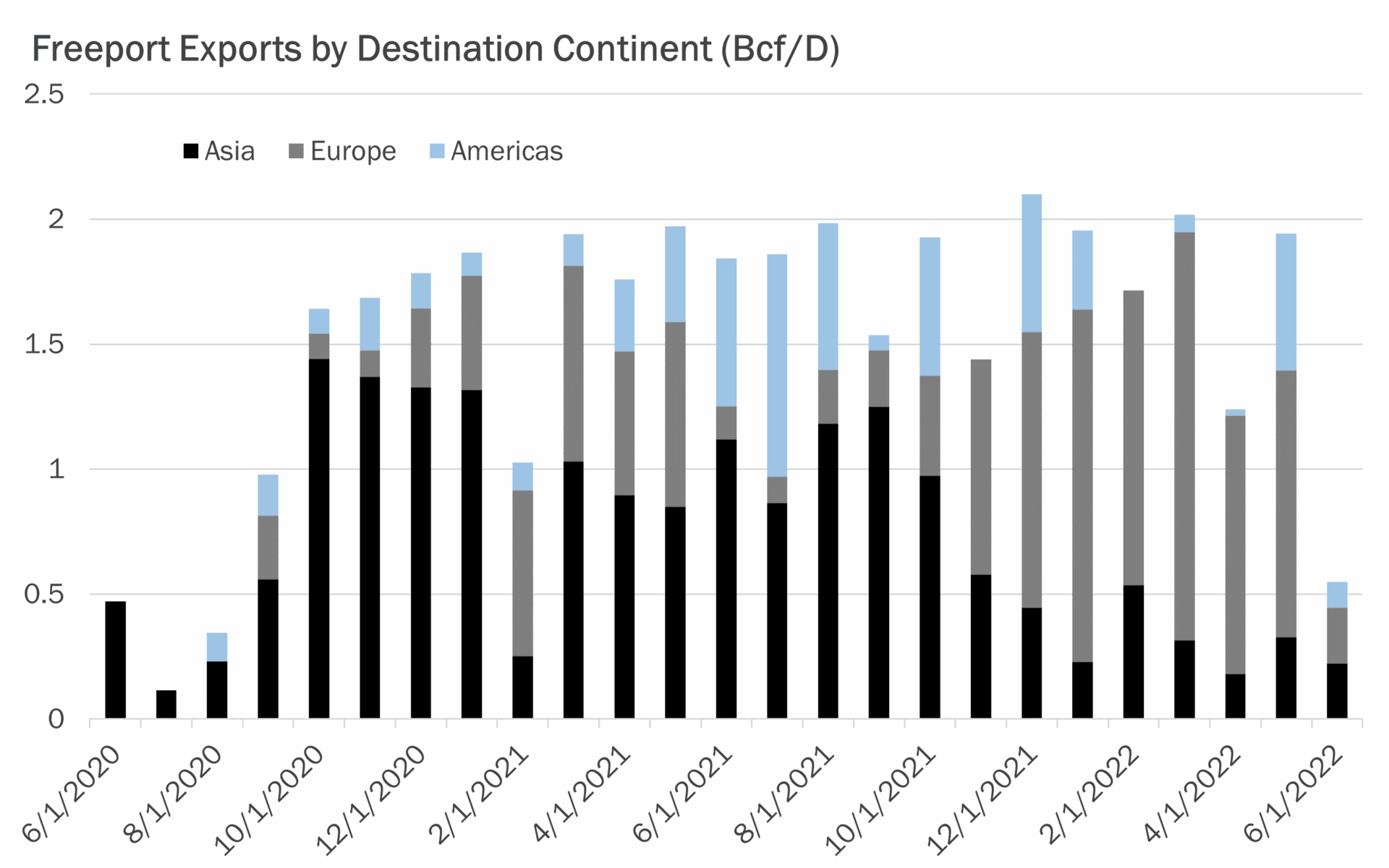
Second, we've traded one dependency for another. We moved away from Russian pipelines and leaned heavily into global LNG. But LNG is a "spot market" game. When the Middle East supply dries up, Asian buyers like China and Japan scramble for the same American and African cargoes that Europe needs. They have deeper pockets and less regulation. We're now in a bidding war for survival.
The inflation monster is waking up again
Brussels is desperate to prevent a repeat of the 2022 inflation spike, but they're fighting a losing battle. It's not just about the gas in your stove. High gas prices drive up electricity prices instantly. Then you have the shipping problem.
Freight rates are already climbing as tankers are forced to take the long way around Africa. Allianz Research is already flagging that these added costs could tack another 0.5% onto eurozone inflation. Just as we thought we were hitting the 2% target, the energy market is dragging us back into the mud.
What Brussels is actually doing behind the scenes
While the public message is "stay calm," the internal memos are far more frantic. Here is what’s actually happening in the halls of power:
- The Azerbaijan Gamble: The EU is trying to fast-track more gas through the Southern Gas Corridor. The problem? It’s a drop in the bucket compared to what we lost from Qatar.
- The "Crisis Units": France and Germany have reactivated their emergency energy task forces. They aren't just monitoring; they're preparing "demand reduction" strategies. That’s a polite way of saying they might ask factories to shut down to save gas for homes.
- The US Tariff Conflict: In a bizarre twist of bad timing, German Chancellor Friedrich Merz is currently in Washington. He’s trying to convince President Trump to hold back on energy tariffs. It’s hard to secure your energy future when your biggest supplier is also your biggest trade rival.
Is there a silver lining?
Honestly, not a big one in the short term. The only thing keeping the lights on right now is that the weather is finally starting to turn. If we have a warm spring, we might avoid a total disaster. But if the Strait of Hormuz stays closed for more than three months, Allianz warns the global economy will tip into a recession.
The "expert" advice of just buying more LNG won't work this time. There isn't enough of it to go around. The only real tool Europe has left is demand destruction—using less, and doing it fast.
If you’re a business owner or a homeowner, don't wait for a government subsidy that might not come. Now is the time to look at your energy efficiency. Switch to heat pumps if you haven't. Lock in energy contracts if you still can, though the best windows have likely closed.
Watch the headlines for any news of the "Energy Task Force" meeting on Thursday. If they announce mandatory storage targets or consumption caps, you’ll know the "calm" from Brussels was just a front. The energy war hasn't just moved to the Middle East; it's landed right back on Europe’s doorstep.