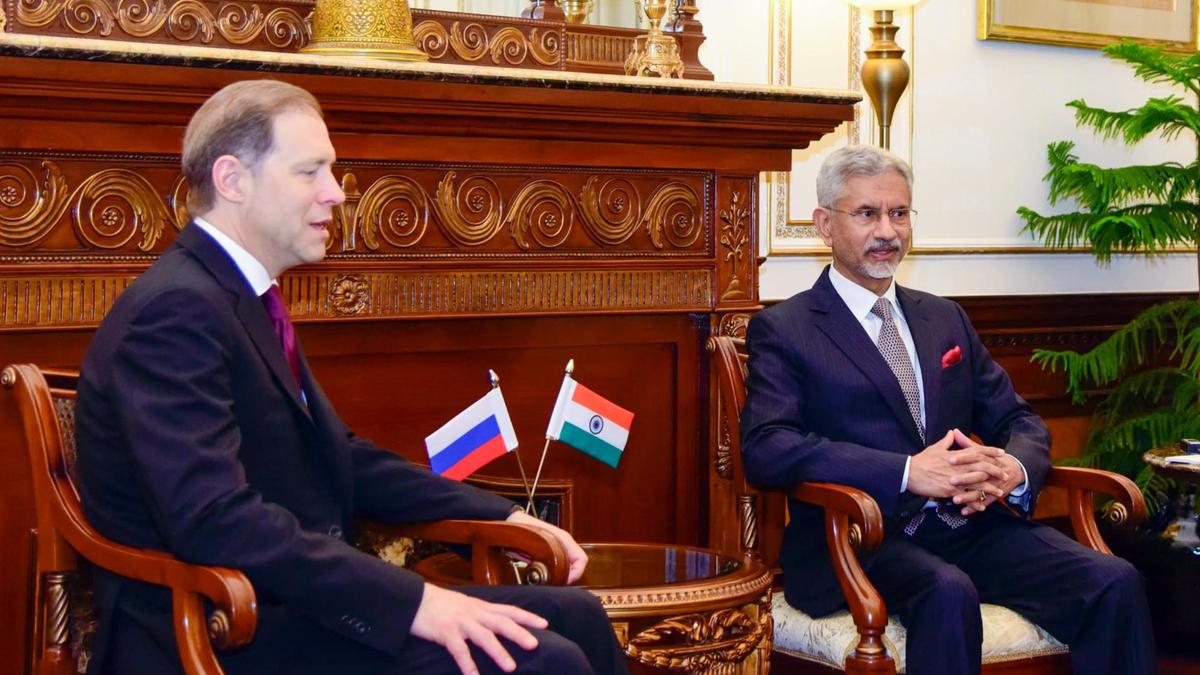
The shift in Eurasian energy distribution is not a diplomatic gesture but a forced recalibration of supply-chain logistics and geopolitical arbitrage. When Moscow pledges increased Crude and Liquefied Natural Gas (LNG) exports to New Delhi, it is formalizing a structural pivot that has been accelerating since 2022. This transition rests on three distinct pillars: the displacement of G7 maritime services, the expansion of the "shadow fleet" logistics network, and the institutionalization of non-dollar settlement mechanisms. Understanding the durability of this partnership requires an analysis of the friction points within current Western sanctions and the specific technical constraints of India’s refining infrastructure.
The Triad of Russo-Indian Energy Integration
The expansion of energy trade between these two nations is governed by a specific set of economic variables that dictate the volume and velocity of flow.
1. Arbitrage of Sanctions and the Discount Mechanism
The primary driver of Indian demand for Russian Urals is the price delta relative to Brent and Middle Eastern sour grades. India’s refining complex—one of the largest and most complex globally—is uniquely suited to process the medium-sour chemistry of Russian crude.
- Refining Complexity and Yield Optimization: Indian refineries, particularly those operated by Reliance Industries and Nayara Energy, possess high Nelson Complexity Index (NCI) ratings. This allows them to maximize the output of high-value middle distillates (diesel and jet fuel) from lower-cost, discounted Russian feedstock.
- The Price Cap Friction: The G7 price cap on Russian oil ($60 per barrel) serves as a theoretical ceiling for Western-insured vessels. However, the emergence of a non-Western shipping ecosystem allows for trade at market-clearing prices that often fluctuate based on the specific Brent-Urals spread rather than regulatory mandates.
2. Logistics and the Maritime Bridge
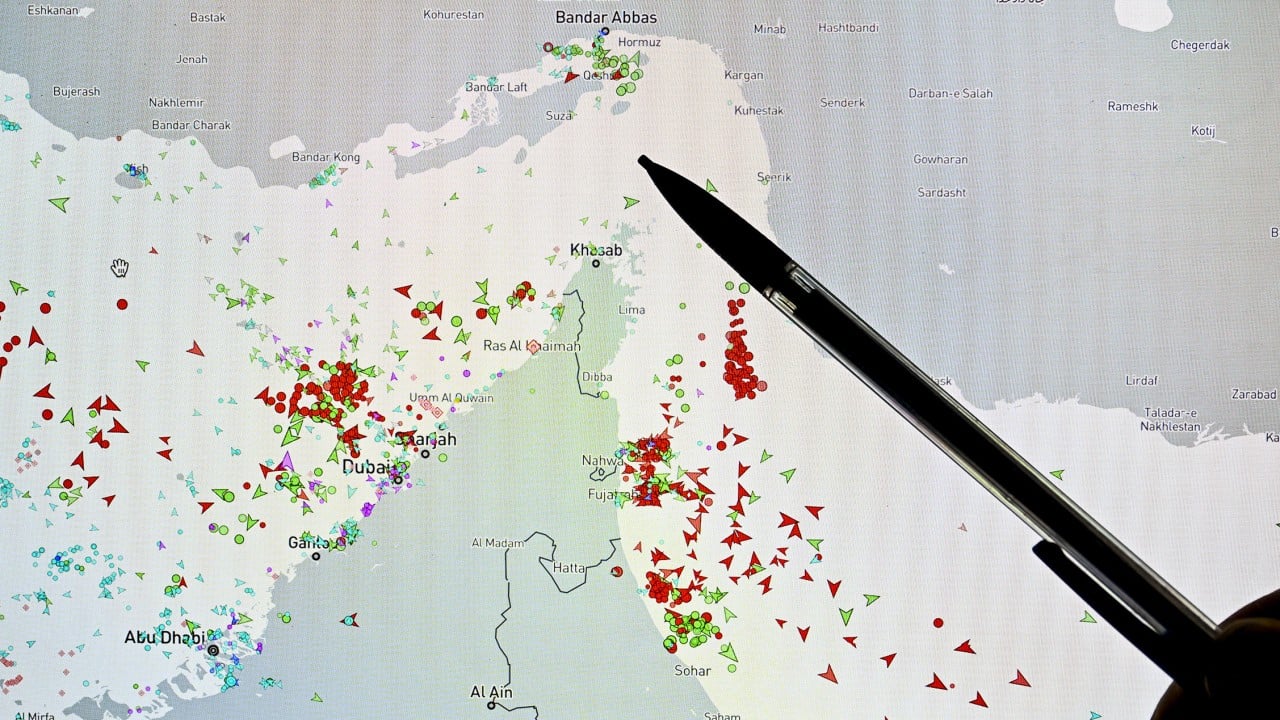
Increasing supply requires a fundamental bypass of traditional maritime insurance (P&I clubs) and tanker fleets. The logistical framework supporting this increase involves:
- Asset Decoupling: The utilization of tankers owned by entities in jurisdictions outside the Price Cap Coalition, such as the UAE and Hong Kong.
- The Northern Sea Route (NSR) Potential: Russia is aggressively promoting the NSR as a shorter alternative to the Suez Canal for Arctic LNG and crude deliveries. This path reduces transit time to Asian markets by approximately 30% compared to traditional routes, though it remains seasonally restricted and requires ice-class vessels.
3. The Natural Gas Pivot (LNG)
While crude oil dominates the headlines, the pledge to increase LNG supplies represents a deeper, long-term infrastructure commitment. Unlike oil, which can be redirected with relative ease, LNG requires specialized regasification terminals and long-term Offtake Agreements.
- Gazprom and Novatek Strategy: With the European market largely closed to pipeline gas, Russian entities are prioritizing the expansion of the Yamal and Gydan Peninsula LNG projects.
- Indian Infrastructure Expansion: India is currently expanding its terminal capacity (e.g., Dhamra, Chhara) to increase the share of natural gas in its energy mix from 6% to 15% by 2030. The Russian supply is the critical "baseload" for this transition.
Structural Bottlenecks in the Supply Chain
Increasing supply is not a linear process. Several physical and financial constraints act as governors on the maximum possible throughput.
Currency Inconvertibility and Settlement Risks
The most significant friction point is the "Rupee Trap." Russia has accumulated significant Indian Rupee reserves that it cannot easily repatriate or convert into liquid global currencies (USD or EUR) due to sanctions.
- The Dirham-Yuan Alternative: Settlements have increasingly shifted to the UAE Dirham (AED) and the Chinese Yuan (CNY). However, this introduces exchange rate risk and dependency on third-party financial systems.
- Vostro Account Stagnation: The buildup of non-convertible assets in Indian banks creates a disincentive for Russian exporters to maximize volumes unless India can provide reciprocal goods or investments in Russian infrastructure.
The Technical Limits of Refinery Blending
While India can process Russian crude, there is a technical limit to how much a single refinery can ingest without altering its product yield profile. Russian Urals are heavier and have a higher sulfur content than the light-sweet crudes typically sourced from West Africa or the US.
- Metallurgy and Desulfurization: Increasing the ratio of Russian crude requires higher temperatures and more hydrogen for desulfurization. This increases the operational expenditure (OPEX) per barrel, which must be offset by the initial purchase discount.
The Geopolitical Cost Function
The "promise" of increased supply must be viewed through the lens of strategic autonomy versus dependency. For India, Russian energy provides a hedge against volatility in the Middle East and the high cost of US LNG. For Russia, India represents a vital source of hard currency and a diplomatic bridge to the Global South.
- Diversification vs. Consolidation: India is careful to maintain its energy ties with Iraq, Saudi Arabia, and the US. Over-reliance on Russian supply would leave India vulnerable to future sanctions escalations or disruptions in the Black Sea and Baltic ports.
- The Insurance Gap: Most of the world's tanker insurance is still concentrated in London. As Russia and India build a parallel insurance framework, the risk of environmental liability in the event of a maritime accident increases, as these newer entities may lack the capital depth of established P&I clubs.
Quantification of Future Flow Volumes
Projections for the 2025-2030 period suggest a stabilization of crude imports at approximately 35% to 40% of India's total import basket, up from less than 2% pre-2022. The growth in LNG is expected to follow a steeper trajectory as the Arctic LNG 2 project reaches full capacity, provided the technical challenges of sourcing liquefaction technology are bypassed via domestic Russian or Chinese alternatives.
The strategic play for India is the "Value-Add Export" model. By importing discounted Russian crude, refining it, and exporting the finished petroleum products (gasoline and diesel) to Europe and the US, India has effectively become a central hub in the global energy "laundry" circuit. This allows Western nations to maintain the appearance of sanctions while ensuring global supply remains sufficient to prevent a price spike.
Strategic Recommendation for Market Participants
The durability of the Russo-Indian energy corridor is no longer a temporary anomaly but a permanent feature of the de-risked global economy. Stakeholders must move beyond tracking "intent" and focus on the following operational realities:
- Monitor the "Shadow" Fleet Tonnage: The capacity of non-Western insured tankers is the true ceiling for supply increases. Any contraction in this fleet—through increased enforcement or vessel aging—will directly throttle import volumes regardless of diplomatic promises.
- Evaluate Refining Margins via Feedstock Differentials: The profitability of Indian downstream majors will continue to be tied to the spread between Brent and Urals. If this spread narrows to less than $5 per barrel, the logistical and reputational risks of Russian oil will likely outweigh the economic benefits.
- Track Indian Infrastructure Milestones: The commissioning of the North-South Transport Corridor (INSTC) and specific regasification terminals in eastern India will be the leading indicators for the next phase of LNG volume growth.
The expansion of this energy axis is a calculated response to the fragmentation of global trade. It represents a transition from a centralized, dollar-denominated energy market to a bifurcated system where physical proximity and political alignment dictate the flow of essential commodities. The success of this partnership depends entirely on the ability of both nations to solve the currency conversion deadlock and maintain the "non-aligned" status of the maritime logistics involved.