The Koirala name isn't just a surname in Nepal; it's a political institution that’s basically been the heartbeat of the country's democratic struggle for seven decades. You can't talk about Nepal’s transition from a feudal backwater to a federal republic without tripping over a Koirala. From the legendary B.P. Koirala to the modern-day struggles of Shashanka, this family has occupied the Prime Minister's residence more often than almost any other dynasty in South Asia.
But here’s the thing: while the name once stood for revolution and high-minded socialism, today it feels more like a heavy anchor. People aren't just looking at the history books anymore; they’re looking at what the "neo-Koiralas" are doing right now. The magic is fading, and if you want to understand why Nepal's oldest party, the Nepali Congress, is currently in a mid-life crisis, you have to look at the rise and plateau of this family.
The Firebrand and the Foundation
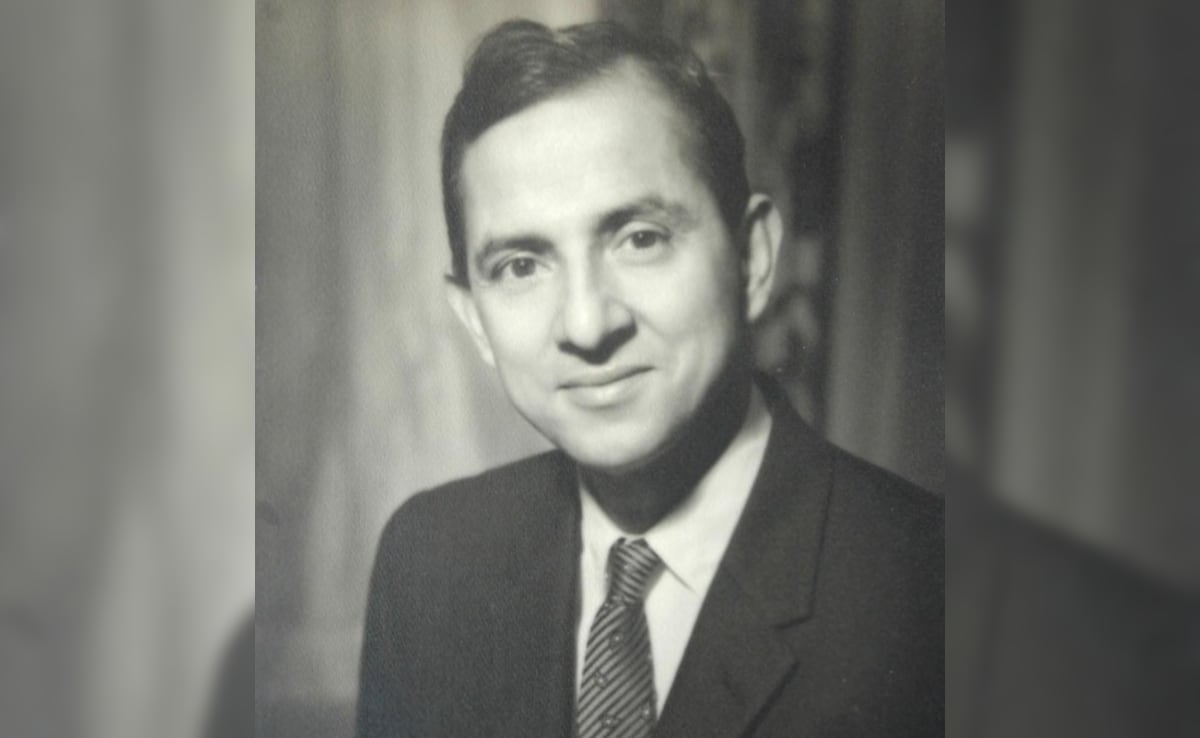
It all started with Krishna Prasad Koirala, a man who had the guts to send a package of rags to a Rana Prime Minister to show how poor the people were. That one act of defiance got the family exiled to India, which was the best thing that could've happened for their political education. It was there, in the heat of the Indian independence movement, that B.P. Koirala (Bishweshwar Prasad) sharpened his teeth.
B.P. wasn't just a politician; he was a literary giant and a thinker who dreamed of democratic socialism. When he led the 1951 revolution to topple the 104-year Rana regime, he wasn't just swapping one ruler for another. He was trying to build a nation. He became Nepal's first democratically elected Prime Minister in 1959, but his tenure was cut short by a royal coup just 18 months later. He spent years in prison and exile, yet he never traded his principles for a comfortable life.
That’s the gold standard. Every Koirala who came after him has had to live in that massive shadow.
The Era of the Grand Old Man
After B.P. passed away in 1982, the mantle eventually fell to his younger brother, Girija Prasad Koirala (G.P.). If B.P. was the visionary, G.P. was the ultimate street fighter. He didn't have the same intellectual aura, but he knew how to move the gears of power.
G.P. Koirala served as Prime Minister five times. Think about that. He saw the end of the monarchy, negotiated with Maoist rebels to end a decade-long civil war, and acted as the bridge between a violent insurgency and a peaceful democratic process. He was authoritarian, sure. He was often accused of "kitchen cabinet" politics where only his inner circle had a say. But when Nepal was on the brink of total collapse during the 2006 People's Movement, he was the only one with enough gravity to hold the country together.
He also brought his cousin, Sushil Koirala, into the fold. Sushil was the "saintly" politician who lived a simple life and eventually oversaw the promulgation of Nepal's 2015 Constitution. With Sushil’s death in 2016, the era of the "original" Koiralas—those who lived through the exile and the early revolutions—officially ended.
The Neo-Koiralas and the Dilemma of Inheritance
Now we're in the era of Shashanka, Shekhar, and Sujata. This is where things get messy.
Shashanka Koirala, B.P.’s son, is an ophthalmologist by training. He’s got the pedigree and the soft-spoken demeanor of his father, but critics say he lacks the fire. He served as the General Secretary of the Nepali Congress, but his leadership hasn't exactly been transformative. Recently, he’s been caught in the middle of party infighting, often seen as a compromise figure rather than a trailblazer.
Then there’s Dr. Shekhar Koirala, who’s emerged as a more vocal critic of the current party leadership. He’s trying to reclaim the "moral compass" of the family, but the party's rank and file are increasingly wary of "legacy politics."
The hard truth? Having a famous last name doesn't buy you the same loyalty it did in 1991. The modern Nepali voter is younger, more connected, and frankly, tired of the same three families running the show.
Why the Legacy is Fraying
The Koirala family's decline isn't just about a lack of talent; it's about a shift in what Nepalis value.
- Corruption Allegations: The 1990s were marked by massive scandals that happened right under G.P. Koirala's nose. That stained the "clean" image the family had during the B.P. era.
- Internal Splits: The family has often been divided. When you have three or four Koiralas all aiming for the top spot, you get factionalism that weakens the whole party.
- The Rise of New Voices: Younger leaders like Gagan Thapa and Bishwa Prakash Sharma are winning hearts by talking about the future, not just reciting stories of what happened in 1951.
The Koirala residence in Biratnagar, once a "pilgrimage site" for democrats, was even attacked during recent protests. It’s a literal and metaphorical sign that the old protection of the family name is gone.
What’s Next for the Koiralas
If the Koirala family wants to remain relevant through the late 2020s, they have to stop acting like the party belongs to them by birthright. They need to move from "legacy" to "merit."
Shekhar Koirala seems to understand this better than most, often hitting the pavement and talking to the grassroots. Shashanka needs to decide if he’s a leader or just a symbol. The family still holds a significant block of votes and a lot of emotional capital, but capital runs out if you don't reinvest it.
Honestly, the best thing for the Koirala legacy might be for them to step back and let the party breathe. If the Nepali Congress thrives under new leadership, it's a testament to the democratic system the Koiralas built. If they cling to power just because of their DNA, they risk burning down the very house B.P. built.
If you're following Nepali politics, keep a close eye on the next General Convention. That’s where we’ll see if the Koirala name still has the power to unite, or if it’s finally become a relic of a bygone century. You should look into the current voting patterns of the youth wing (Tarun Dal) to see where the real power is shifting.