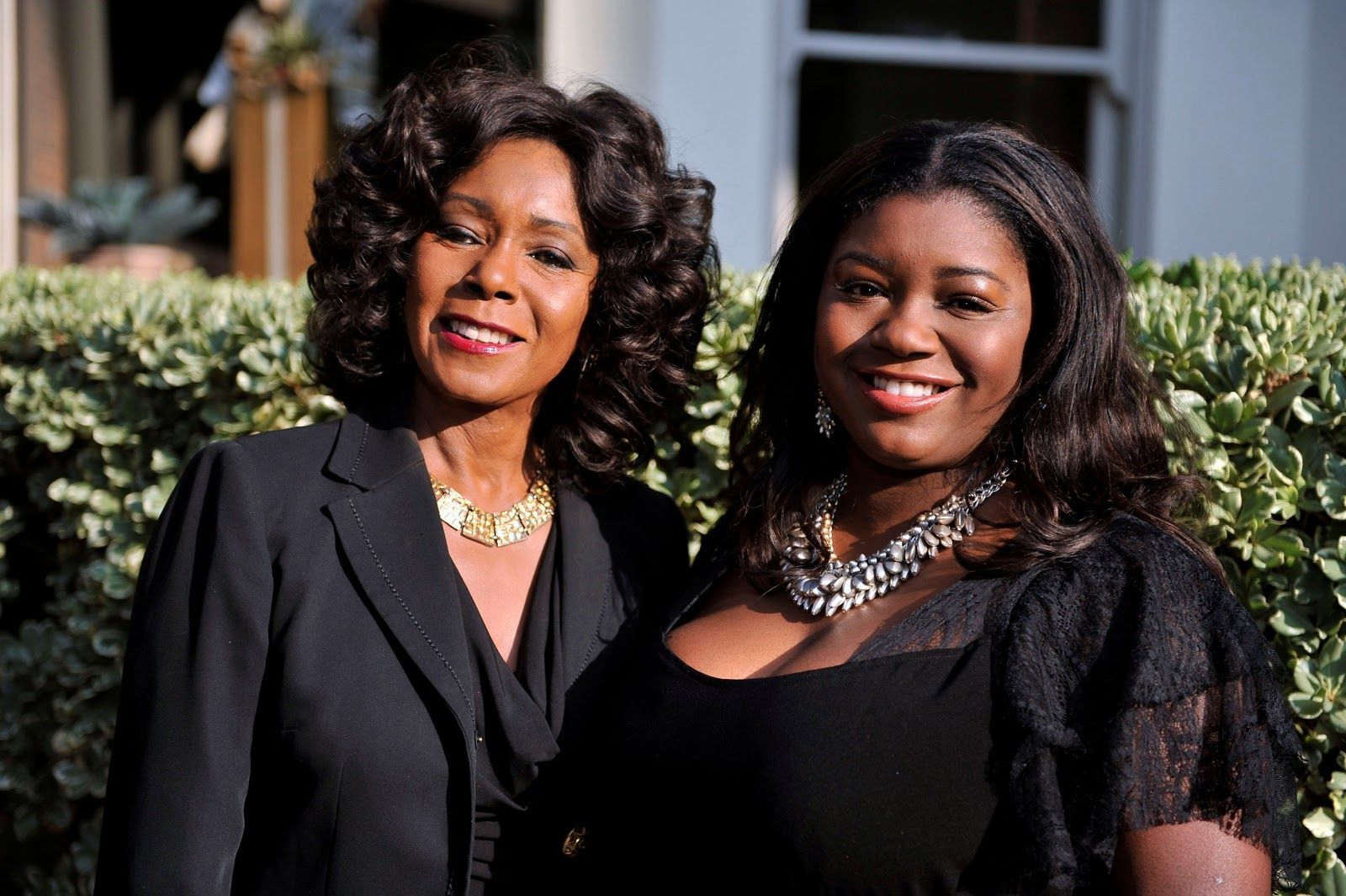
The passing of Judy Pace at age 83 marks more than just the loss of a talented actor. It’s the closing of a chapter on a woman who refused to play the "maid" or the "victim" during an era when Hollywood rarely offered Black women anything else. If you look at the landscape of 1960s and 70s television, you'll see a sea of tropes. Then you see Judy Pace. She didn't just walk onto a set; she commanded it with a level of chic authority that felt radical for the time.
Her death on March 11, 2026, in Los Angeles was confirmed by her family, and while the headlines mention her iconic roles in Peyton Place and Brian’s Song, they often miss the grit it took to get those parts. She wasn’t just "the first" of many things. She was a disruptor who used her beauty and her brains to force the industry to look at Black femininity through a different lens.
The Peyton Place effect and breaking the soap opera barrier
Before Judy Pace arrived in the fictional town of Peyton Place in 1968, daytime and prime-time soaps were effectively segregated. She played Vicky Fletcher, a character who wasn't there to provide comic relief or serve as a background player. She was central. She had agency.
Think about the context of 1968. The country was reeling from the assassination of Dr. Martin Luther King Jr. The Civil Rights Movement was at a fever pitch. In the middle of this, Pace appeared on screens across America as a sophisticated, professional woman. She proved that Black characters could handle the same melodramatic, high-stakes storylines as their white counterparts without being defined solely by their struggle.
People often forget how much of a risk that was for a network. Advertisers were skittish. Southern affiliates were often hostile. Pace took that weight on her shoulders and made it look effortless. She didn't just play Vicky; she inhabited her with a coolness that became her trademark.
Why Brians Song remains her most emotional legacy
While Peyton Place made her a household name, the 1971 TV movie Brian’s Song cemented her place in the hearts of millions. It’s widely considered one of the greatest television films ever made. Pace played Joy Piccolo, the wife of Brian Piccolo (played by James Caan).
The movie focuses on the friendship between Piccolo and Gale Sayers, but Pace provided the emotional anchor. Her performance wasn’t about being "the wife." It was about showing the quiet strength of a woman watching her husband face a terminal illness. She brought a grounded, human reality to a story that could have easily drifted into sports cliché.
When you watch those scenes today, her chemistry with James Caan feels incredibly modern. There was no artifice. Just a raw, understated performance that showed her range went far beyond the "vixen" roles the media often tried to box her into.
Beyond the camera and the fight for representation
Pace wasn’t just a performer. She was an advocate. She frequently spoke out about the lack of depth in the scripts offered to Black actors. She famously turned down roles that she felt were demeaning or stereotypical, even when she needed the work. That takes a specific kind of backbone.
She was also part of a powerful Hollywood circle. Her marriage to actor Don Mitchell—best known for Ironside—made them one of the most visible Black couples in the industry. Later, her marriage to baseball legend Curt Flood brought her into the world of sports activism. Flood, of course, was the man who challenged MLB's reserve clause, effectively creating the path for modern free agency. Pace stood by him through that grueling legal battle, showing that her commitment to justice extended far beyond the studio gates.
The versatility of a 1970s icon
If you haven't seen her work in Cotton Comes to Harlem (1970), you’re missing out on a masterclass in screen presence. In that film, she played Iris, a role that allowed her to lean into her "Black Venus" persona—a nickname given to her by the press that she wore with a mix of pride and caution.
She knew her beauty was a tool, but she never let it be the only thing she brought to the table. She could do comedy, she could do noir, and she could do heavy drama. In The Young Lawyers, she continued to break ground as a lead in a legal drama, again playing a character defined by her intellect rather than her race.
It’s easy to look back and say "she was a pioneer" and leave it at that. But that's lazy. Being a pioneer in 1960s Hollywood meant constantly negotiating your dignity. It meant correcting directors who didn't know how to light Black skin. It meant rewriting lines that sounded like caricatures. Pace did all of that while maintaining a level of glamour that rivaled any star of the Golden Age.
What we can learn from her career today
For anyone working in creative industries, Judy Pace is a blueprint for longevity and integrity. She didn't chase every trend. She stayed true to a specific standard of excellence.
If you're a fan of her work or just learning about her now, the best way to honor her legacy is to actually watch the films. Don't just read the obituaries. Look for Three in the Attic or find old clips of her on The Mod Squad. See how she used her eyes to convey more than the dialogue ever could.
The industry still struggles with the things Pace fought against fifty years ago. We still see "firsts" happening in 2026 that probably should have happened in 1976. But those doors are even slightly open because Judy Pace spent her career kicking them.
Next time you see a Black woman leading a major network drama or a high-stakes film, remember that Pace was one of the few who proved it wasn't just possible—it was profitable and essential. She wasn't just a part of history. She made it.
Go find a copy of Brian's Song. Watch it tonight. Pay attention to how she holds the frame. That's how you remember a legend.