Sanae Takaichi is playing a game of geopolitical nostalgia that Japan can no longer afford. The frantic signaling toward a potential second Trump administration, wrapped in the desperate plea for maritime security in the Middle East, isn't diplomacy. It’s a hallucination.
The consensus among the Tokyo elite and the beltway pundits is simple: Japan must grovel for "assurance" that the U.S. will keep the oil flowing through the Strait of Hormuz. They view Trump as a transactional wild card that needs to be bought with loyalty and defense spending. They are wrong. They are misreading the map, misreading the math, and fundamentally misreading the man.
The Hormuz Hoax
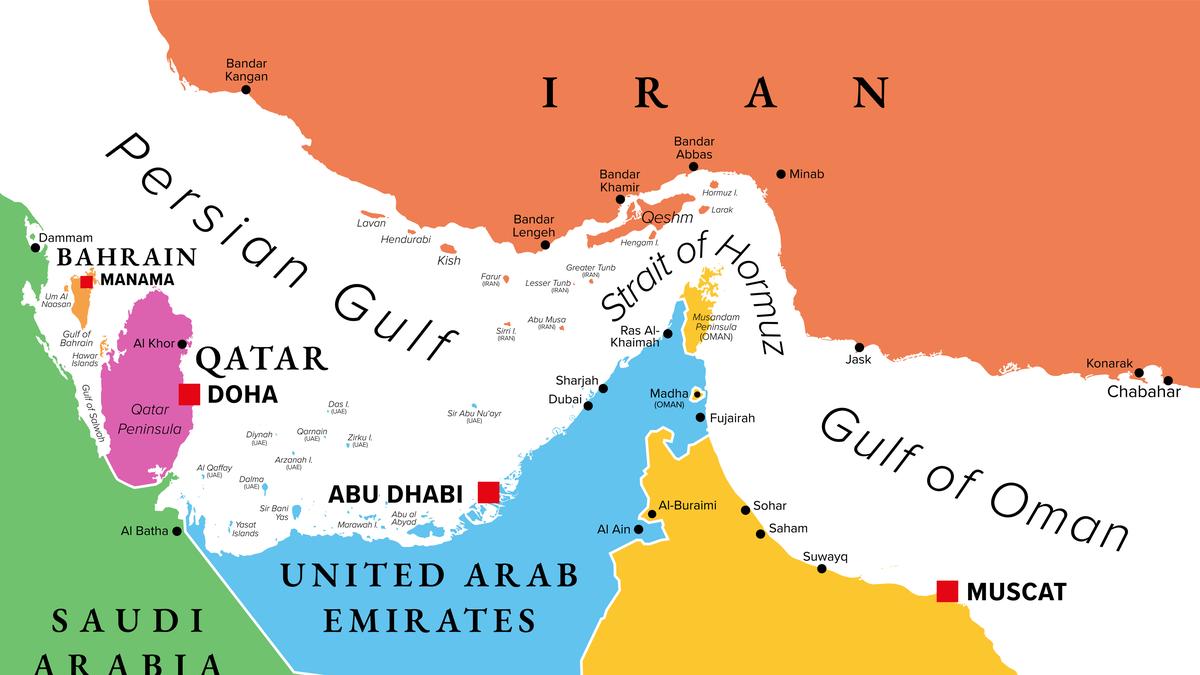
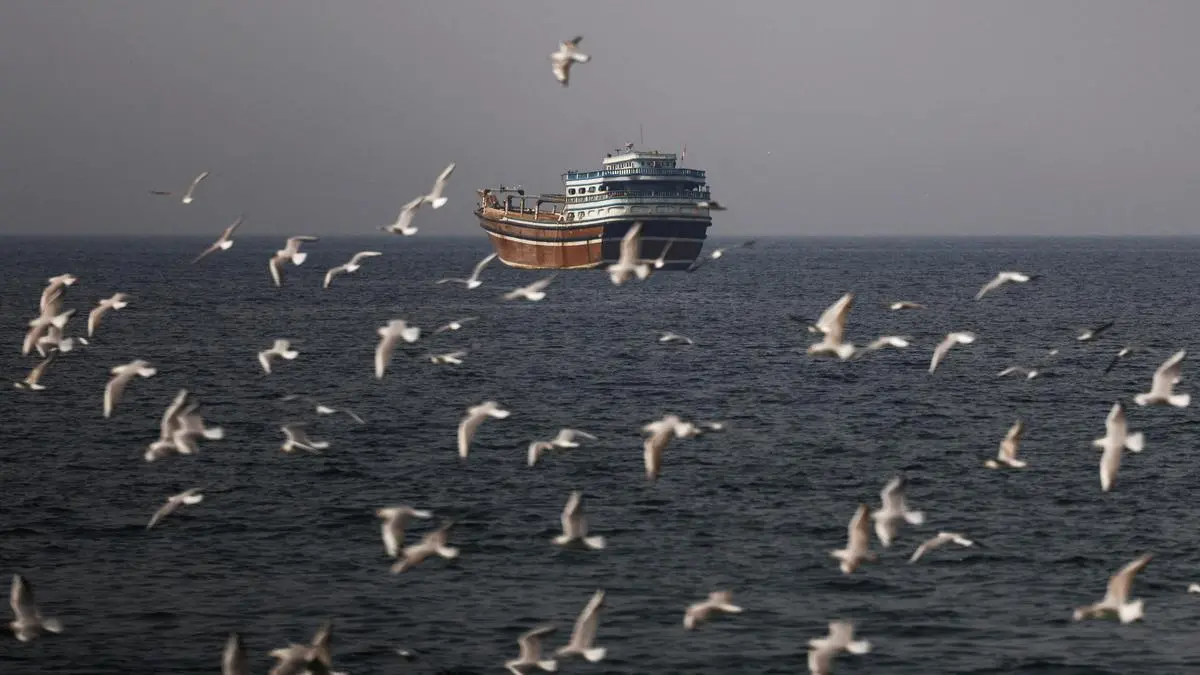
The Strait of Hormuz is the world's most overrated choke point for a nation that claims to be "future-proofing" its economy. Takaichi’s focus on securing this waterway via an American security umbrella ignores a brutal reality: The U.S. no longer needs that oil.
In 1973, or even 2003, the U.S. Navy served as the world’s unpaid gas station security guard because American refineries were thirsty. Today, the U.S. is a net exporter of crude. The logic of the "Carter Doctrine"—which stated that the U.S. would use military force to defend its interests in the Persian Gulf—is dead. It’s a corpse that Tokyo keeps trying to perform CPR on.
If the Strait of Hormuz closes tomorrow, it’s a catastrophe for Beijing and Tokyo, not Houston. Trump knows this. He has spent years asking why the U.S. is protecting the shipping lanes for wealthy nations like Japan and China for free. Takaichi thinks "reaffirming the alliance" is the answer. It’s not. It’s an admission of total dependency at a time when the provider is looking for the exit.
The Transactional Trap
I’ve spent years watching trade negotiators try to "manage" the U.S.-Japan relationship. The mistake is always the same. They treat the alliance like a sacred religious text. To Trump, it’s a balance sheet.
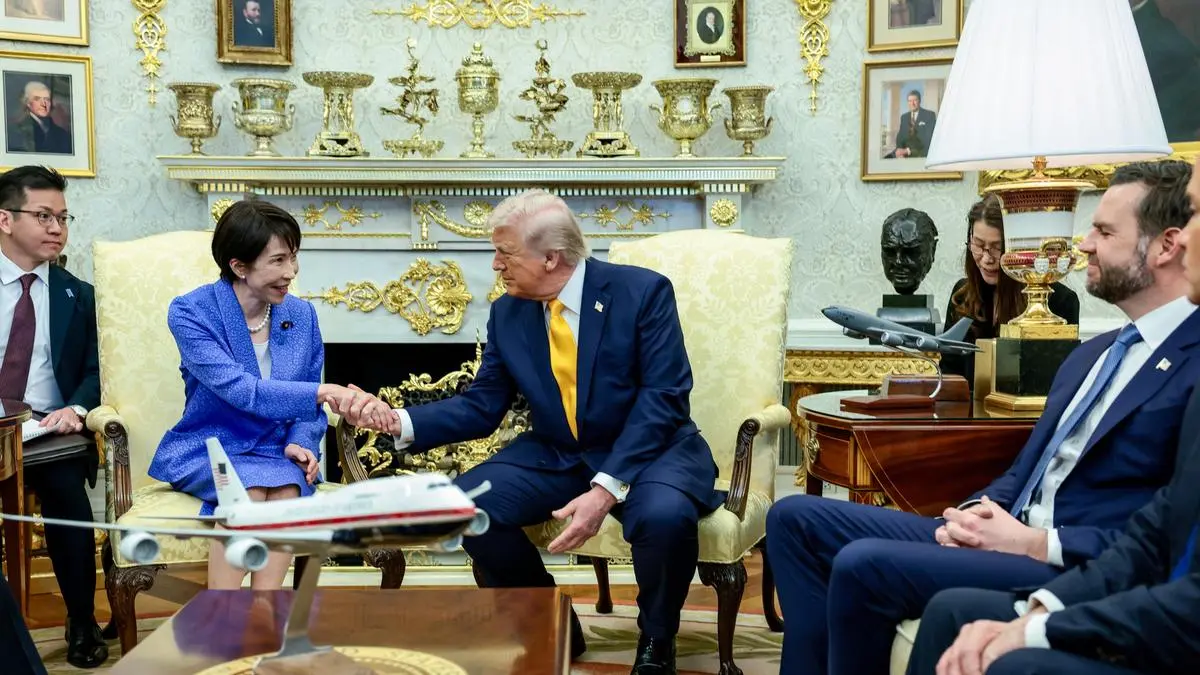
Takaichi’s rhetoric suggests that by showing strength on the Strait of Hormuz, she wins points with the MAGA wing. In reality, she’s just highlighting Japan’s vulnerability. You don't negotiate with a transactional leader by showing him how much you need him; you negotiate by showing him how much it will cost him if you go elsewhere.
Japan’s current strategy is the equivalent of a customer walking into a dealership, announcing they are desperate for a car, and then hoping the salesperson gives them a "loyalty discount." It’s a failure of basic leverage.
The Missing Nuance: Energy Sovereignty vs. Escort Missions
The "lazy consensus" says Japan needs the U.S. Navy to escort tankers. The contrarian truth? Japan needs to stop needing the tankers.
Every yen Takaichi wants to sink into "collaborative maritime security" is a yen not spent on nuclear restarts or hydrogen infrastructure. Japan’s obsession with the Strait of Hormuz is a symptom of its refusal to solve its own energy math.
Consider the $15.7 trillion transition cost currently projected for global energy shifts. Japan is lagging because its political class is obsessed with protecting 20th-century supply lines. While Takaichi tries to charm a man who views allies as "free riders," the rest of the world is moving toward localized energy grids.
If Japan actually wanted to impress a "Peace Through Strength" administration, it would announce it no longer requires the U.S. 5th Fleet because it has achieved 70% energy independence through domestic nuclear and renewables. That is the only language of "strength" a nationalist understands.
The "Ironclad" Delusion
"The alliance is ironclad."
That phrase is a sedative. It’s used to keep the Japanese public from realizing that their entire national security strategy is a derivative of a foreign capital’s mood swings.
Takaichi is positioning herself as the "Iron Lady" of Japan, yet she’s seeking permission from Mar-a-Lago to breathe. A truly bold leader wouldn’t be "reaffirming" an alliance; they would be diversifying it.
Where is the aggressive pivot to the "middle powers"? Where is the deep, structural defense integration with Australia and India that doesn’t require a sign-off from Washington? It doesn’t exist because Tokyo is terrified of a world where the U.S. isn't the primary protagonist.
The Logistics of a Ghost
Let’s look at the actual physics of "securing the Strait."
Imagine a scenario where the IRGC (Islamic Revolutionary Guard Corps) mines the waterway. Does Takaichi honestly believe a second Trump term—one built on "No More Foreign Wars"—is going to send carrier strike groups into a meat grinder to save a Japanese LNG tanker?
Trump’s "America First" isn't a slogan; it’s a structural shift in global trade. He has zero interest in the global commons. If the oil stops, the price goes up, and American shale producers make more money. From a purely cynical, nationalist perspective, a crisis in the Strait of Hormuz is a net win for the American economy in the short term.
Takaichi is campaigning on a promise she cannot keep because the person she’s relying on has no incentive to fulfill it.
The Cost of Compliance
The downside of this contrarian view is obvious: It’s cold. It’s lonely. It requires Japan to actually pay the full price for its own defense.
Currently, Japan spends roughly 2% of its GDP on defense. To actually secure its own energy lines without the U.S., that number would need to be 5% or 6%. The Japanese economy, burdened by a shrinking workforce and massive debt, can’t handle that.
But lying to the public about the "reliability" of a Trump-led U.S. is a far more dangerous gamble. It’s building a house on a fault line and pretending the "alliance" is the rebar.
Stop Asking the Wrong Question
People ask: "How can Takaichi secure the Strait?"
The real question is: "Why is Japan still dependent on a 1,200-mile-long umbilical cord through hostile waters?"
The premise that Japan can "seek help" from an isolationist-leaning superpower to guard a region that superpower no longer needs is the height of strategic illiteracy.
Takaichi isn't showing leadership. She’s showing a lack of imagination. She’s trying to buy insurance from a company that has already filed for a change of business model.
If you want to secure Japan’s future, stop talking about tankers. Start talking about the fact that the U.S. security umbrella is now a parasol—it looks nice in the sun, but it’s useless in a hurricane.
Japan doesn’t need a better relationship with Trump. It needs a strategy for when it finally realizes it's on its own.
Build the reactors. Arm the islands. Stop begging for escorts.