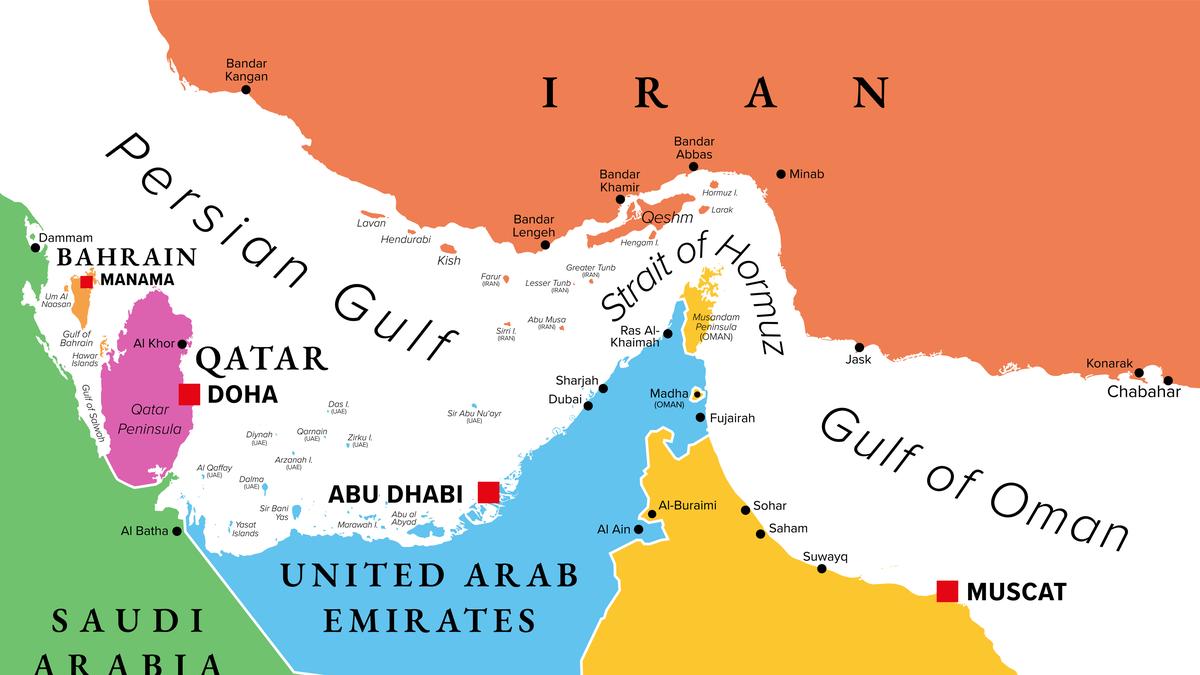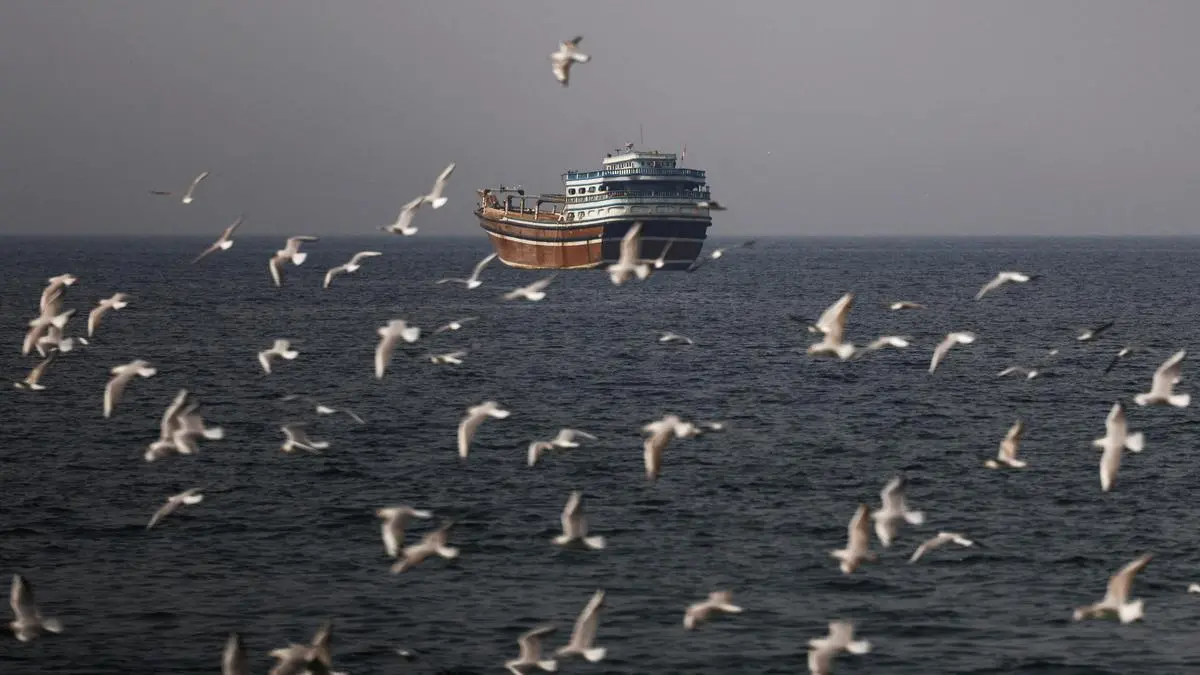
The coffee in your mug is lukewarm, but the electricity keeping your laptop humming is constant. You don’t think about the grid. You don’t think about the tankers. You certainly don't think about a jagged stretch of water off the coast of Iran that measures barely twenty-one miles across at its narrowest point.
But you should. In related updates, read about: The Sabotage of the Sultans.
Because that narrow strip, the Strait of Hormuz, is the carotid artery of the modern world. If it narrows further, or if it closes, the pulse of global commerce doesn't just slow down. It stops.
Consider a hypothetical captain named Elias. He is sixty years old, has spent forty of those years at sea, and currently commands a vessel carrying two million barrels of crude oil. As his ship approaches the Musandam Peninsula, Elias isn't looking at the sunset. He is watching the radar for fast-attack craft. He is listening to the radio for voices that shouldn't be there. He knows that a single magnetic mine or a stray drone could transform his ship from a commercial asset into a geopolitical catastrophe. TIME has also covered this critical topic in great detail.
For Elias, the "Strait" isn't a line on a map or a bullet point in a briefing. It is a gauntlet.
The Geography of Anxiety
The Strait of Hormuz connects the Persian Gulf with the Gulf of Oman and the Arabian Sea. It is the only way out for the massive wealth generated by Iraq, Kuwait, Saudi Arabia, the United Arab Emirates, and Qatar. One-fifth of the world’s total oil consumption passes through this needle's eye every single day.
When tension spikes here, the world feels it instantly. Gas prices in suburban Ohio climb before the evening news even airs the footage. Manufacturers in Tokyo begin calculating the cost of a halted assembly line. This isn't just about energy; it’s about the staggering fragility of our interconnected lives.
The recent shift in the winds of maritime security comes from a realization that no single nation can police the shadows alone. For years, the burden of "freedom of navigation" fell largely on the shoulders of the United States. But the burden has grown too heavy, and the political stakes too messy, for a solo act.
Now, the world is moving.
A Coalition of the Concerned
In a rare alignment of European caution and Pacific pragmatism, nations like Japan, Canada, and a significant block of European powers have stepped toward the water. They aren't looking for a fight. They are looking for a shield.
Japan’s involvement is particularly telling. For a nation with a constitution that strictly limits military engagement, sending destroyers and patrol planes to the Middle East is a profound statement of necessity. Japan imports nearly 90% of its oil from this region. For them, the Strait of Hormuz is not a foreign policy issue. It is a survival issue.
Imagine the boardrooms in Tokyo. The light is harsh. The air is thin with the smell of recycled ventilation and cold green tea. The executives aren't talking about ideology. They are looking at charts of "maritime awareness." They are realizing that if the Strait becomes a "no-go" zone, the third-largest economy on Earth effectively runs out of breath in weeks.
Canada and the European nations—led by the French and the Dutch—are operating under a similar, if slightly more diplomatic, pressure. They have joined the International Maritime Security Construct (IMSC) or supported parallel missions like EMASoH (European-led Maritime Awareness in the Strait of Hormuz).
The goal? De-escalation through presence.
It is the logic of the neighborhood watch. If the street is dark and empty, a thief feels emboldened. If there are neighbors standing on their porches, watching, the thief moves on. By placing more flags in the water, these nations hope to create a "cooling effect" on the simmering friction between regional powers and Western interests.
The Invisible Stakes of a Single Spark
What does "maritime security" actually look like on the water?
It looks like boredom punctuated by sheer terror. It is sailors on the deck of a frigate scanning the horizon for the white wake of a small, fast-moving boat. It is the sophisticated electronic warfare suites of a Canadian destroyer trying to distinguish between a commercial drone and a loitering munition.
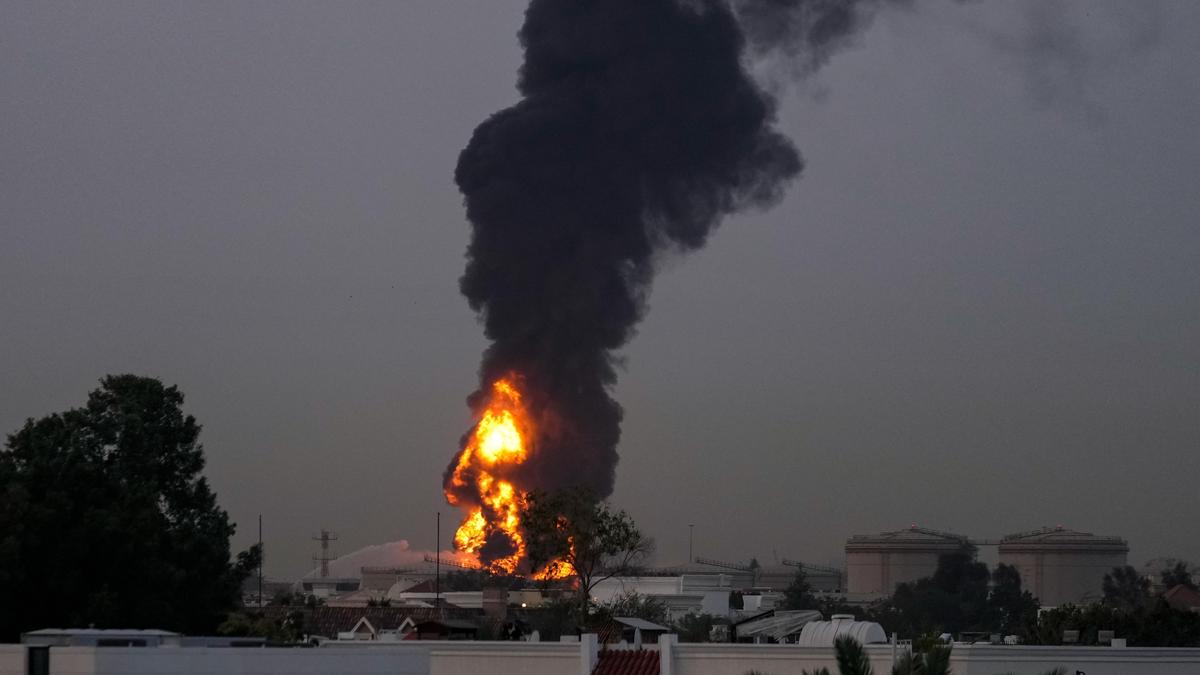
There is a psychological war happening in the Strait. It’s played out in the seizure of tankers under dubious legal pretenses and the "mysterious" explosions that happen in the dead of night. Every time a ship is boarded, the insurance premiums for every other ship in the region skyrocket.
These costs are invisible to the average consumer. You don’t see the "Hormuz Surcharge" on your grocery bill, but it’s there. It’s baked into the price of the plastic packaging, the cost of the truck’s fuel, and the synthetic fibers in your clothing.
The coalition of nations joining these efforts is trying to prevent a specific type of chaos: the "black swan" event. This is the moment where a minor tactical error—a nervous young officer firing on a boat that got too close—cascades into a blockade.
If the Strait closes, the economic models predict a global recession that would make 2008 look like a minor market correction. We are talking about the literal darkness of power grids failing and the freezing of global shipping lanes.
The Diplomacy of Presence
Critics often ask why these nations don't just use pipelines. Why depend on a single, dangerous waterway?
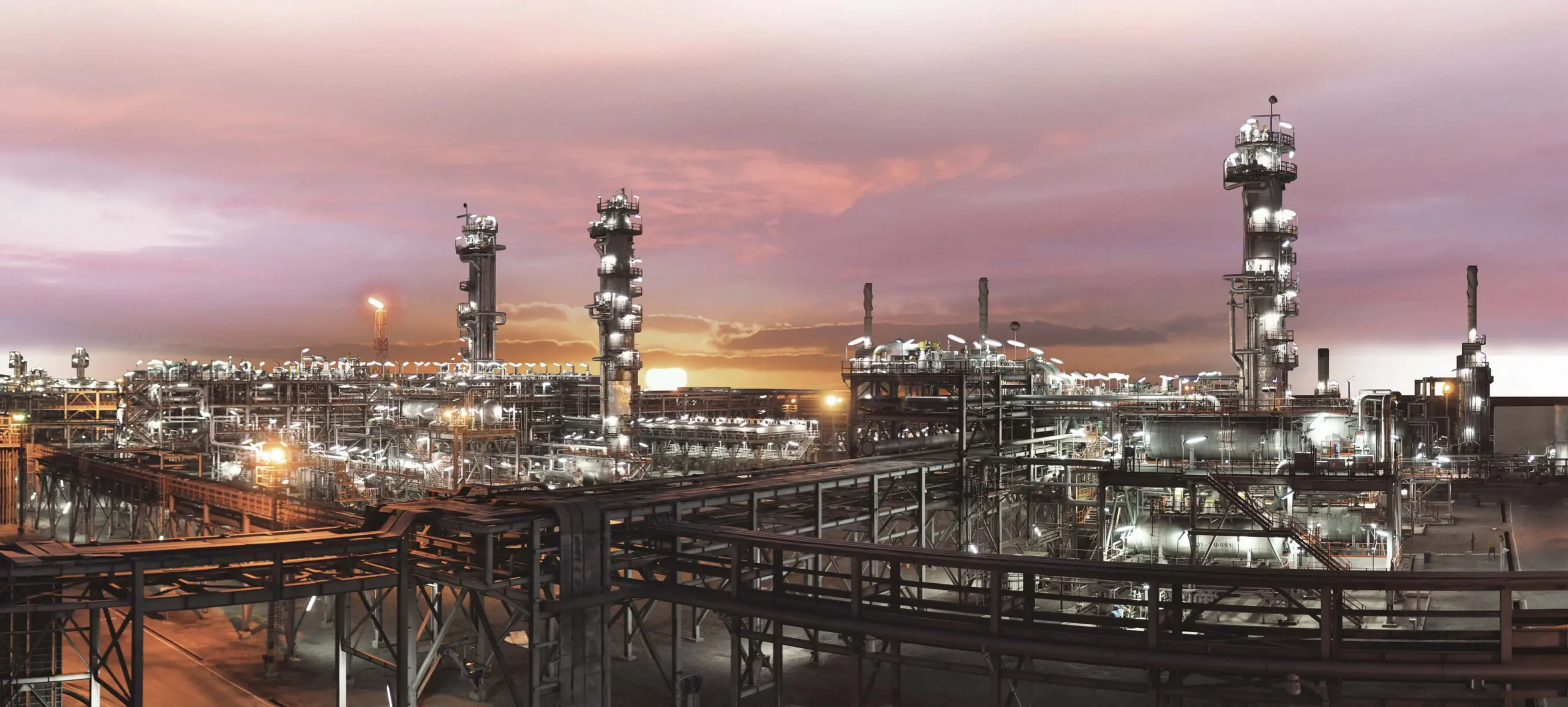
The reality is a matter of scale. While pipelines exist across Saudi Arabia and the UAE to bypass the Strait, they can only handle a fraction of the volume. You cannot pipe the world’s needs through a straw. The ocean remains the only highway wide enough to carry the weight of our civilization’s hunger for energy.
The European approach has been distinct from the American one. While the U.S. often favors "maximum pressure," the European-led missions have tried to maintain a "neutral" posture of surveillance. They want to be the eyes that ensure everyone plays by the rules of international law.
This creates a fascinating, albeit tense, dynamic. You have ships from the U.S., the U.K., France, Japan, and Italy all sharing the same salty air, all communicating across different encrypted frequencies, but all focused on the same twenty-one miles of water.
It is a silent choreography of steel.
The Human Cost of the Watch
Behind the high-level talk of "freedom of navigation" and "geopolitical stability" are the people.
There are the merchant mariners—men and women from the Philippines, India, and Eastern Europe—who spend months at sea. They are the ones who have to sleep in "citadels" (fortified safe rooms) when their ships are under threat. They are the ones who write letters home, wondering if their cargo of liquified natural gas makes them a target.
There are the young naval officers from Japan or Canada, far from home, staring at green radar screens in the middle of a sweltering Gulf night. They are the ones tasked with making a split-second decision that could start a war or save a thousand lives.
We live in a world that likes to pretend it is digital, ethereal, and disconnected from the physical earth. We think our wealth is in the "cloud." But the cloud is powered by data centers, and data centers are powered by grids, and those grids are fed by the very real, very heavy, and very vulnerable ships passing through the Strait of Hormuz.
The decision of European nations, Japan, and Canada to join this watch is an admission of our shared vulnerability. It is a confession that we are all, regardless of our borders, dependent on the same thin thread of safety.
The Strait remains a place of jagged rocks and deeper shadows. The tension doesn't go away just because more ships arrive; if anything, the room gets more crowded. But for now, the presence of these nations serves as a grim reminder of what is at stake.
As Captain Elias guides his tanker through the narrowest point, he sees a frigate on the horizon. He sees a flag he recognizes—perhaps the maple leaf of Canada or the rising sun of Japan. He feels a momentary, slight easing of the knot in his stomach. He knows that for today, the artery remains open. The pulse continues. The world, oblivious and hungry, keeps turning.
Elias adjusts his course by two degrees. The sun sets, casting long, bloody shadows over the water. Everything is quiet. For now.