The probability of a United States military intervention to seize Iranian uranium stockpiles is governed by a rigid trilemma: the physical security of hardened subterranean facilities, the logistical impossibility of a "surgical" ground occupation, and the escalatory spiral of regional containment. Current geopolitical discourse often treats the "deployment of troops" as a binary switch. In reality, any mission to secure fissile material requires a specific sequence of kinetic actions that the U.S. military has not executed since the 1940s: the contested seizure and long-term holding of a nuclear-contaminated industrial zone against a near-peer state actor.
The strategic friction lies in the mismatch between the objective—preventing a nuclear breakout—and the available mechanisms of force. Aerial bombardment can delay enrichment by destroying cooling systems and power grids, but it cannot "seize" material. Conversely, a ground operation to extract uranium requires a total suppression of Iranian integrated air defense systems (IADS) and the commitment of a multi-division corps to insulate the extraction zone from counter-attacks.
The Physical Architecture of Iranian Enrichment
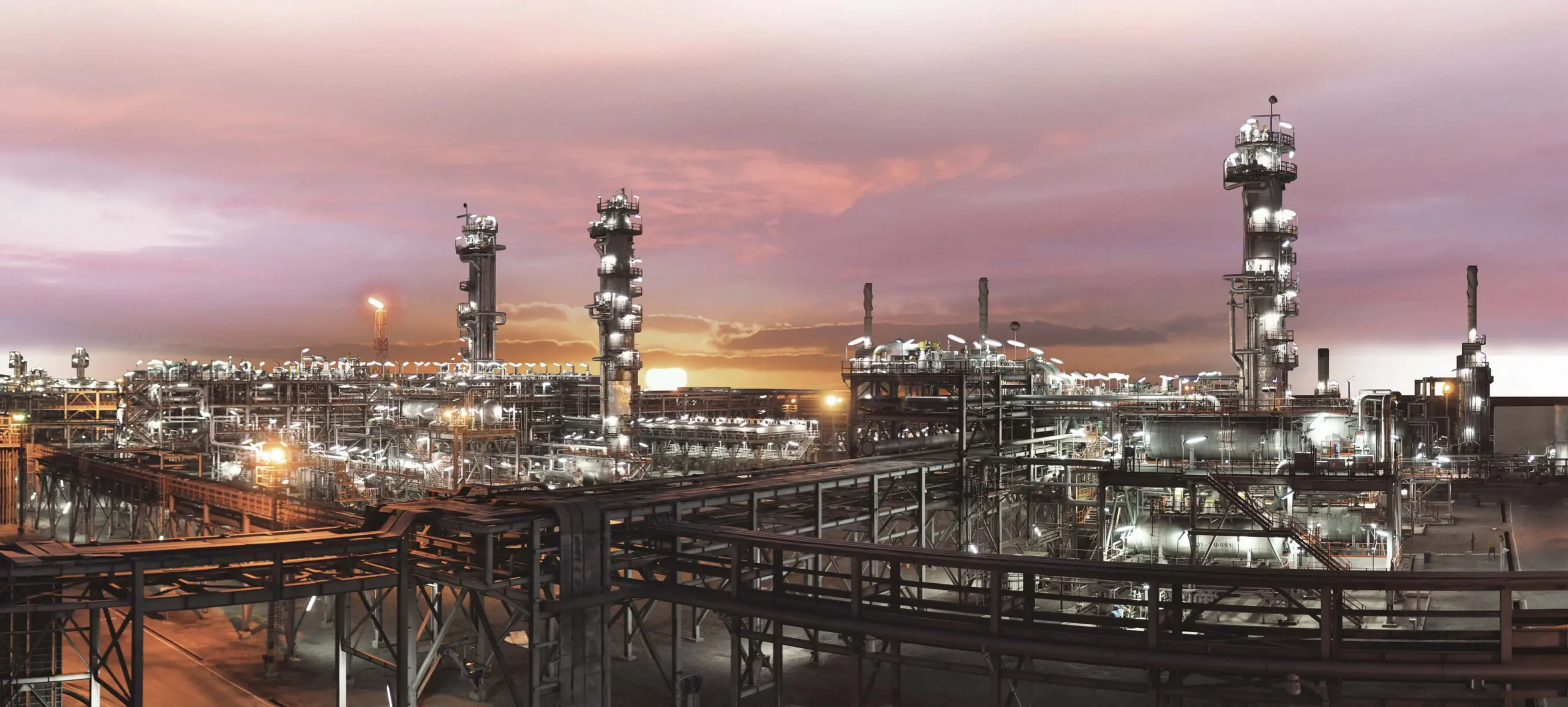
The Iranian nuclear program is not a singular target; it is a distributed network designed to survive high-intensity conflict. To analyze the viability of a seizure, one must categorize the infrastructure into three distinct vulnerability tiers.
- The Natanz Fuel Enrichment Plant (FEP): This is a sprawling underground facility protected by several meters of reinforced concrete and earth. While the "Above-ground" structures are vulnerable, the centrifuge cascades are housed in "halls" that require specialized bunker-busting munitions just to reach, let alone occupy.
- The Fordow Fuel Enrichment Plant (FFEP): Located deep inside a mountain near Qom, Fordow represents the peak of Iranian "passive defense." Its depth renders standard kinetic strikes nearly irrelevant for the purpose of total destruction. Seizing this site would require a vertical envelopment (paratrooper or air assault) followed by a grueling subterranean clearance operation.
- The Uranium Conversion Facility (UCF) at Isfahan: This is where yellowcake is converted into uranium hexafluoride ($UF_6$). Unlike the enrichment sites, this facility is more exposed, but its proximity to a major civilian population center introduces a massive collateral damage variable into the cost-benefit calculus.
The primary technical bottleneck for a seizure operation is the state of the material itself. $UF_6$ is highly corrosive and must be stored in specialized cylinders. A rapid extraction team cannot simply "bag" the material; they require heavy lift capabilities and specialized chemical handling units, all while under fire.
The Logistics of Contested Extraction
Military planners must calculate the "Force Ratio Requirement" for a seizure mission. To secure a site like Natanz, the U.S. would need to establish a Perimeter of Denial that extends at least 50 kilometers in all directions to prevent Iranian short-range ballistic missiles (SRBMs) and drone swarms from interdicting the extraction.
- The Airhead Phase: Establishing local air superiority. This requires the neutralization of the Iranian Bavar-373 and S-300 batteries. Without this, transport aircraft carrying the extraction teams are high-probability losses.
- The Infiltration Phase: Dropping a Combat Aviation Brigade or similar high-mobility force. The goal here is not to defeat the Iranian Army in the field, but to create a "bubble" around the uranium caches.
- The Extraction Window: This is the most dangerous variable. Moving metric tons of $UF_6$ or enriched uranium isotopes requires a minimum of 48 to 72 hours of uninterrupted control over the site and the surrounding airspace.
The logistical tail for such an operation is immense. For every soldier inside the facility, ten are required to defend the perimeter and manage the transport corridor. This is not a "raid"; it is a short-term invasion.
The Asymmetric Escalation Function
The decision to deploy troops to seize uranium triggers a response function that the U.S. cannot fully control. Iran’s "Mosaic Defense" strategy is designed specifically to counter a technologically superior invader by decentralizing command and using geography to its advantage.
The first consequence is the immediate activation of "Proxy Verticality." Hezbollah in Lebanon and various militias in Iraq and Syria would shift from harassment to high-intensity bombardment of U.S. regional assets. This forces the U.S. to divert its Mediterranean and Persian Gulf assets from the primary mission (the uranium seizure) to defensive screens for its own bases.
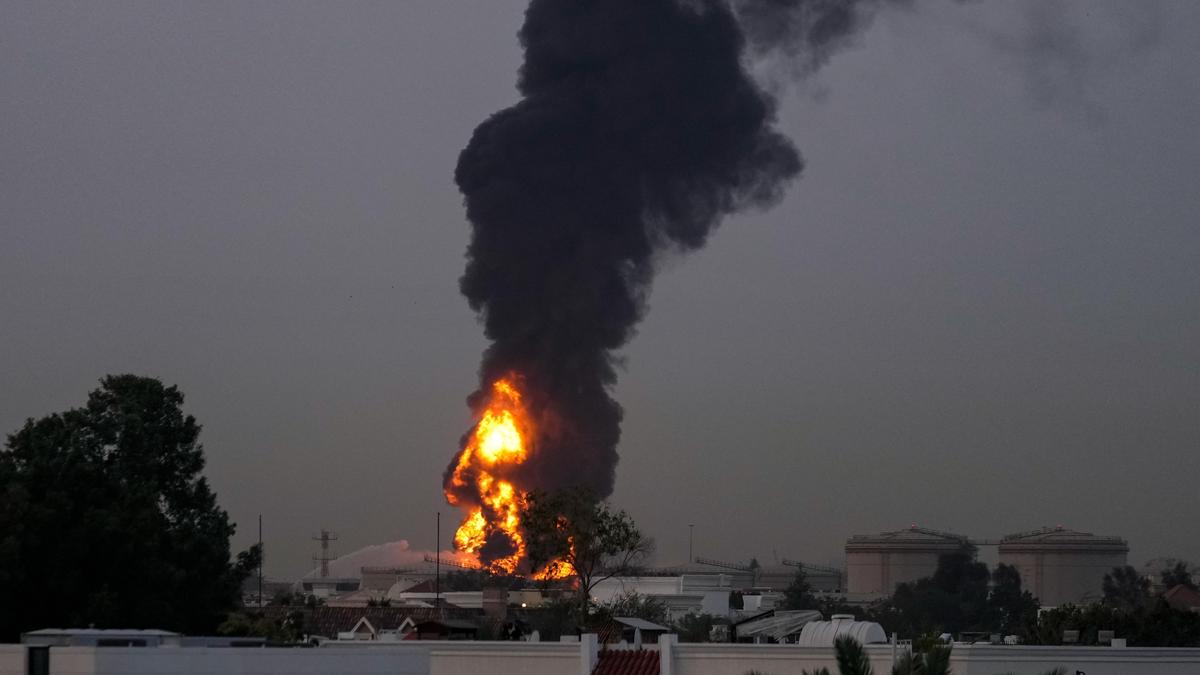
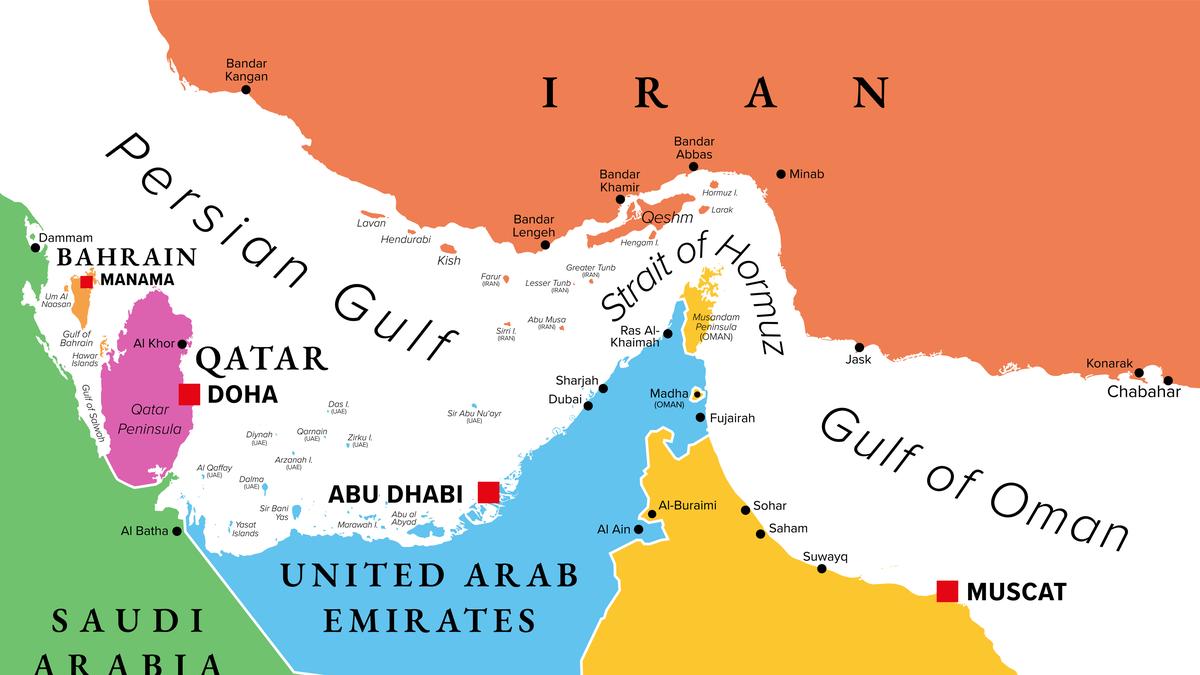
The second consequence is the "Strait of Hormuz Variable." Any presence of U.S. boots on the ground in Iran would almost certainly lead to the mining of the Strait. Given that roughly 20% of the world’s petroleum liquid consumption passes through this waterway, the economic shock would be instantaneous. The "Cost of Seizure" thus includes a global energy crisis that would erode domestic political support for the mission within weeks.
The Technological Counter: Stuxnet 2.0 vs. Kinetic Force
The debate over deploying troops often ignores the cyber-kinetic alternative. The 2010 Stuxnet incident demonstrated that centrifuge cascades could be destroyed without a single soldier crossing the border. However, the Iranian program has since "hardened" its digital perimeter. Air-gapped systems and indigenous software stacks have made a repeat of Stuxnet significantly more difficult.
If cyber-interdiction is no longer a guaranteed "delay" mechanism, the U.S. is left with the choice between "Containment" and "Neutralization." Seizing material is the ultimate form of neutralization, but it assumes that the U.S. knows exactly where all the material is located. The existence of "clandestine sites"—facilities not declared to the IAEA—means a ground seizure of Natanz and Fordow might only capture 60% of the total stockpile, leaving the remaining 40% to be weaponized in a retaliatory "breakout" triggered by the invasion itself.
Strategic Risk of the "Sunk Cost" Occupation
A seizure operation has no clean exit strategy. If U.S. troops successfully take control of an enrichment site, the act of leaving simply allows Iran to rebuild. This creates a "Sunk Cost" trap where the U.S. must either permanently occupy the site—effectively colonizing a portion of the Iranian heartland—or destroy the facility from the inside and withdraw, knowing that the political cost of the invasion has already been paid in full.
The "Three Pillars of Iranian Resilience" must be factored into any troop deployment model:
- Strategic Depth: Iran’s massive, mountainous terrain allows for the rapid relocation of mobile assets.
- Ideological Mobilization: An invasion of the sovereign territory is the only event that would unify the fragmented Iranian domestic political landscape.
- Redundant Infrastructure: The enrichment process is now so well-understood by Iranian scientists that destroying the physical hardware only provides a temporary setback. The "human capital" of the program cannot be seized or bombed.
Determining the Threshold for Intervention
The decision-making matrix for a troop deployment to seize uranium centers on the "Breakout Clock." If intelligence confirms that Iran has begun the "metallization" process—the final step in creating a nuclear warhead—the risk of inaction begins to outweigh the massive risks of action.
The U.S. must decide if the goal is "Material Denial" or "Regime Paralyzation." If the goal is the former, a ground seizure is the only way to be 100% certain the uranium is gone. If the goal is the latter, then the seizure is merely the opening gambit in a much larger regional war.
Any strategy involving ground forces must prioritize the "Mobile Extraction" model over the "Stationary Guard" model. This involves a rapid-entry force utilizing heavy-lift helicopters (CH-47 Chinook or CH-53K King Stallion) to airlift the material directly out of the country to a carrier strike group or a friendly regional base like Al-Udeid. This reduces the time-on-target and minimizes the window for an Iranian conventional counter-attack.
The strategic play is to recognize that a ground seizure is not a viable "policy option" in the standard sense; it is a "last-resort contingency." The mere preparation for such a mission—visible troop movements in Kuwait, the deployment of specialized CBRN (Chemical, Biological, Radiological, and Nuclear) units to the region—serves as a signaling mechanism. However, once the first boot hits the ground, the U.S. is committed to a conflict that will redefine the global energy market and the security architecture of the Middle East for the next fifty years. The logistical "bottleneck" of extracting enriched uranium remains the single greatest physical barrier to this strategy, requiring a level of precision and speed that currently exceeds the safety margins of conventional military doctrine.
The deployment of U.S. troops to seize uranium is a mission of extreme tactical complexity and catastrophic strategic risk. Any administration considering this path must first secure a domestic mandate for a potential multi-year regional conflict, as the "seizure" will inevitably be viewed by Tehran as an act of total war, necessitating a full mobilization of Iranian state and proxy power.