The image of a twisted, charred fuselage in the Iranian desert isn't just a trophy for Tehran. It’s a loud, messy signal that the air superiority we usually take for granted is being tested in ways that make people very uncomfortable. When Mohammad Bagher Ghalibaf, the Speaker of the Iranian Parliament, hopped on X to share a picture of the downed American aircraft, he wasn't just posting a status update. He was twisting the knife.
He sarcastically noted that after the U.S. supposedly "defeated Iran 37 times in a row," the mission had been downgraded from "regime change" to a frantic search for missing pilots. It’s a biting sentiment. "Absolute geniuses," he called the strategists in Washington. You don't have to like the guy to see why that message is landing with a thud in capitals around the world. We’re watching a high-stakes game of chicken where the hardware is worth tens of millions, and the human cost is climbing.
The myth of the untouchable jet
For decades, the operating assumption was that American jets could fly pretty much anywhere with impunity. That's changing. The recent downing of an F-15E Strike Eagle and an A-10 Warthog—confirmed by U.S. officials after initial denials—proves that Iranian air defenses aren't the relics people thought they were.
Iran isn't just throwing old Soviet tech at the sky anymore. They’ve spent years refining their indigenous Bavar-373 and Khordad-15 systems. These aren't just for show. When Ghalibaf shares those photos, he’s showing the world that even the "invisible" or the "unbeatable" can be swatted down. One pilot was rescued, but the other is still out there. Tehran has even gone so far as to put a $600,000 bounty on the missing officer. It's a move designed to embarrass, not just to capture.
Why Ghalibaf’s rhetoric matters
Ghalibaf isn't just some random official. He’s a former IRGC commander with a history of being a pragmatist when it suits him and a hawk when it doesn't. His recent social media activity—mocking the U.S. for a "no-strategy war"—is targeted at two audiences.
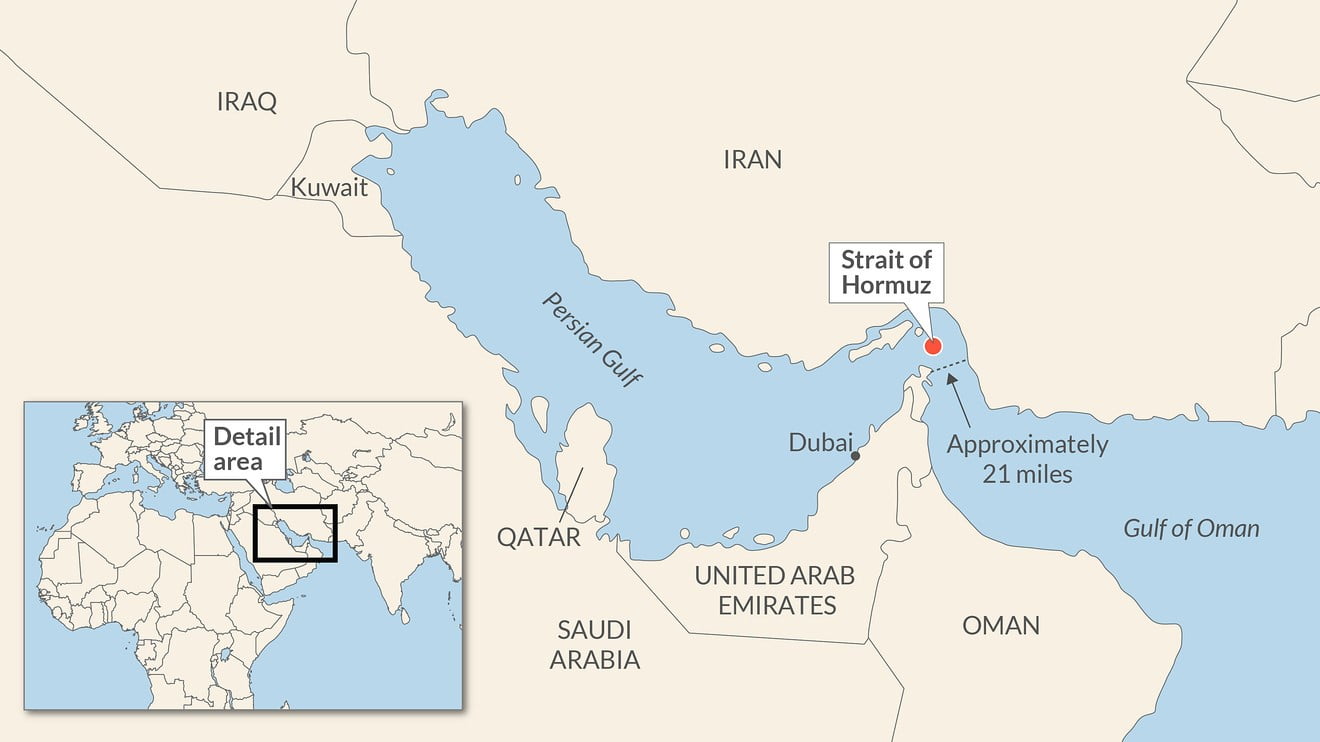
First, he’s talking to the Iranian public. After weeks of airstrikes and the closure of the Strait of Hormuz, the Iranian people are feeling the squeeze. Seeing a piece of American titanium in the dirt is a powerful morale booster. Second, he’s talking to the Global South. He’s framing the U.S. as an overextended giant that’s losing its grip.
It’s easy to dismiss his "three more victories and we're ruined" style of sarcasm as mere propaganda. But look at the context. This war, which kicked off in late February 2026, has already wrecked global supply chains. Oil prices are screaming toward records because the Strait of Hormuz is effectively a no-go zone. If the U.S. keeps "winning" by losing aircraft and failing to secure its objectives, the cost of this conflict might actually become unsustainable.
The strategic vacuum in Washington
The real problem Ghalibaf is poking at is the lack of a clear exit ramp. President Trump recently claimed the U.S. had "beaten and completely decimated" Iran, only for two planes to go down 48 hours later. That disconnect between political rhetoric and the reality on the ground is dangerous.
You can’t declare victory while your pilots are ejecting over enemy territory.
The U.S. is currently engaged in "Operation Epic Fury," but critics are starting to wonder if the fury is more about frustration than a clear military goal. We’ve seen strikes on civilian-adjacent infrastructure, like the B1 bridge near Karaj, which resulted in significant civilian casualties. This hasn't broken Iran's will; it’s seemingly unified their leadership. Even Ghalibaf, who some thought might be a potential partner for future negotiations, is now leading the charge in mocking the American military effort.
What happens when the pilots are the prize
The search for the missing pilot has turned into a grim race. U.S. Special Operations are likely working overtime, but the terrain in southwestern Iran is brutal. If Iran finds the pilot first, the narrative shifts from a military skirmish to a hostage crisis.
We've been here before, and it never ends well for the guys in the suits in D.C. Ghalibaf’s post about "finding our pilots" is a direct hit on that fear. It reminds everyone that behind the high-tech sensors and the billion-dollar budgets, there’s still a person in a cockpit who can become a political pawn in an instant.
The economic fallout is the real weapon
While we focus on the jets, the global economy is taking the actual "hits."
- Energy prices: With the Strait of Hormuz blocked, European finance ministers are already calling for windfall taxes on energy companies just to keep their economies from collapsing.
- Supply chains: The "Nature Day" strike and others have made it clear that no corridor is safe.
- Global stability: The IAEA is raising alarms about projectiles landing near the Bushehr nuclear plant. We’re one "accidental" hit away from a catastrophic environmental disaster.
Ghalibaf’s mockery works because it highlights the lopsided nature of this war. The U.S. spends millions on a single sortie; Iran spends a fraction of that on a missile that brings the jet down. If the goal was stability, we’ve missed the mark by a mile.
If you’re watching this play out, don't get distracted by the bravado on either side. Look at the logistics. Look at the fact that a parliament speaker in Tehran feels confident enough to troll the most powerful military on earth with a smartphone and a photo of a crash site. That tells you everything you need to know about where this conflict is heading.
The next step isn't more airstrikes; it’s figuring out how to stop the bleeding before the "victories" leave everyone bankrupt. Keep an eye on the search and rescue efforts over the next 48 hours. That's where the real story—and the fate of the remaining crew—will be decided.