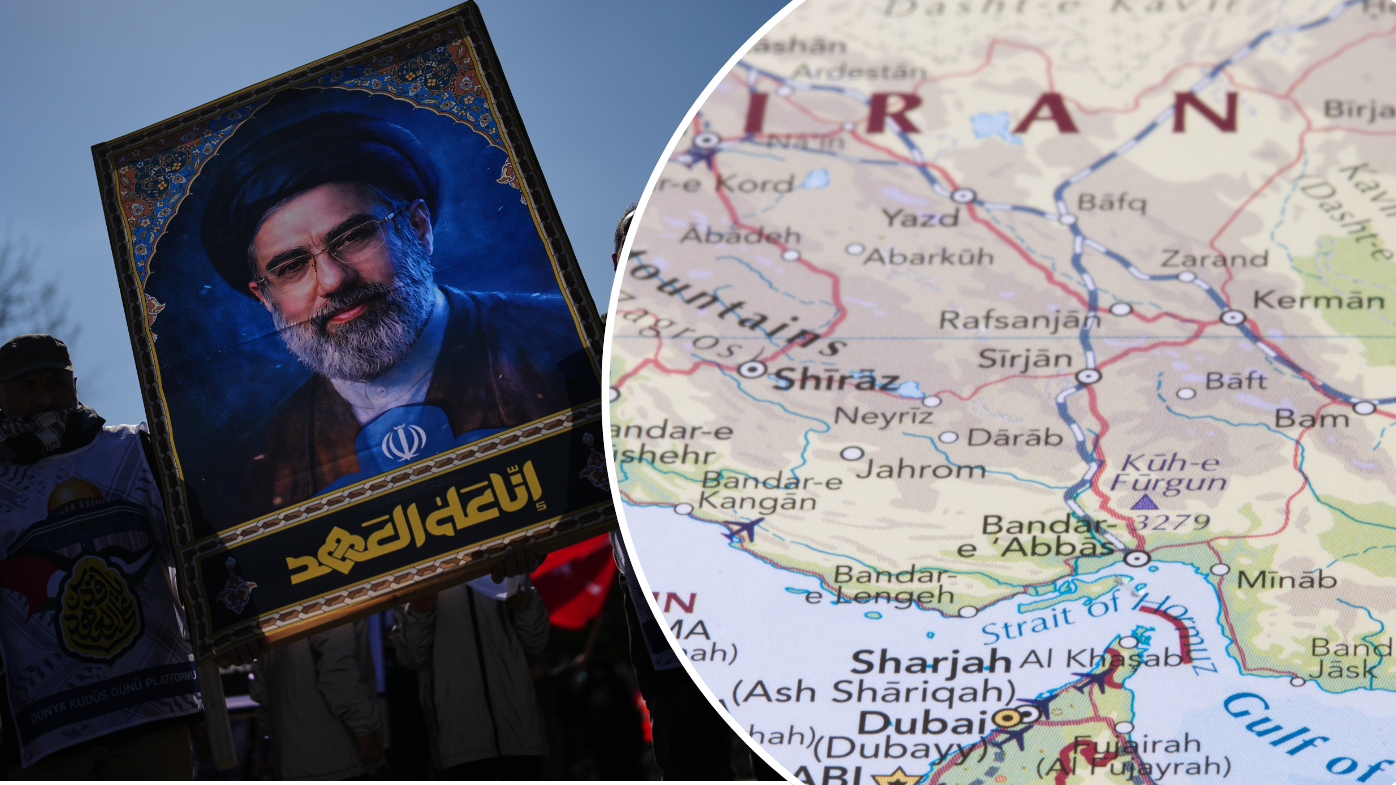
The Strait of Hormuz is the world's most dangerous choke point. If you look at a map, it’s a tiny sliver of water between Oman and Iran that carries about 20% of the world’s petroleum liquids every single day. Now, Tehran is floating an idea that should keep every global economist awake at night. They want to charge a "transit fee" for every vessel passing through. It sounds like a simple highway toll. In reality, it’s a geopolitical shakedown that could rewrite the rules of international maritime law.
Iran's logic is straightforward, if you’re sitting in the Iranian Parliament. They argue that they provide the security for these waters. They claim their navy patrols the area, keeps the peace, and protects the environment. So, why shouldn't the world pay for that service? It's a bold play. It also ignores decades of established law, specifically the United Nations Convention on the Law of the Sea (UNCLOS).
The Legal Fiction of a Sovereign Toll
You can't just put a gate on the ocean. Under UNCLOS, the Strait of Hormuz is governed by the "right of transit passage." This means ships—both commercial and military—have the right to move through international straits quickly and without interference. Iran signed this treaty but never actually ratified it. They use that technicality as a shield. They argue that since they didn't fully join the club, they don't have to follow the "free passage" rule for countries they don't like.
If Iran moves forward with a mandatory fee, it isn't just a tax. It's an assertion of ownership over a global commons. Imagine if Egypt suddenly tripled Suez Canal fees or if Panama decided certain flags weren't allowed through the locks without a "security surcharge." The shipping industry operates on thin margins and predictable routes. A toll here adds more than just a line item to a ledger. It adds a layer of political vetting to every barrel of oil.
Why Oil Prices Wont Just Rise but Could Explode
The math on this is ugly. We aren't just talking about a few thousand dollars per tanker. When you add a toll to the most sensitive energy corridor on the planet, you trigger a massive spike in insurance premiums. Shipping companies like Maersk or MSC don't just eat these costs. They pass them to you.
Oil tankers are already paying "war risk" premiums when tensions flare in the Persian Gulf. If Iran formalizes a toll booth system, insurers will view every transit as a potential seizure point. If a ship refuses to pay, what happens? Does the Islamic Revolutionary Guard Corps (IRGC) board the vessel? Does the ship get diverted to Bandar Abbas? That uncertainty is a tax in itself. We've seen how sensitive the market is. Even a rumor of a closed strait can send Brent Crude up five or ten dollars in a single afternoon. A permanent toll is a permanent inflationary pressure on the global economy.
The Environment as a Geopolitical Weapon
One of the more clever, and frankly annoying, angles Tehran uses is environmental protection. They've suggested that the toll would go toward a fund to clean up the Persian Gulf. It sounds responsible. It’s actually a Trojan horse. By framing the toll as a "green" initiative, they try to make it harder for the international community to argue against it without looking like they hate the planet.
But look at the track record. The Persian Gulf is already one of the most stressed marine environments on earth. Iran hasn't exactly been a leader in maritime conservation. Using the environment as a pretext for a maritime tax is a classic move from the "gray zone" warfare playbook. It creates a narrative that’s difficult to deconstruct in a 30-second news soundbite.
The US Navy and the Red Line
The US Fifth Fleet is based in Bahrain for one reason: to keep that water open. Washington has stated repeatedly that any attempt to restrict or tax transit in the Strait of Hormuz is a red line. If Iran starts stopping tankers to demand payment, we aren't looking at a legal dispute in a Hague courtroom. We're looking at a naval confrontation.
The IRGC specializes in asymmetric tactics. They don't need a massive destroyer to cause problems. They use fast boats, mines, and drones. If they decide to enforce a toll, they’ll do it by physically hounding ships. This puts merchant captains in an impossible spot. Do you risk your crew and ship to stand up for international law, or do you just pay the "toll" and move on? Most companies will choose the latter, which is exactly what Iran is counting on. It’s a slow-motion annexation of international waters.
Breaking the Global Supply Chain
We often talk about the "global supply chain" as this abstract concept. It’s actually just a bunch of ships moving in straight lines. When you mess with those lines, everything breaks. A toll in Hormuz doesn't just affect oil. It affects the price of plastic, the cost of shipping cars from Japan, and the availability of goods across Europe.
If this toll booth becomes a reality, other nations will watch closely. Why wouldn't Yemen try it in the Bab el-Mandeb? Why wouldn't Malaysia and Indonesia consider it for the Strait of Malacca? We're looking at the potential end of the era of "freedom of navigation." That’s a world where the ocean belongs to whoever has the biggest gun on the nearest shoreline.
What Happens if the World Just Says No
Resistance isn't as simple as sending in the carriers. If the international community refuses to acknowledge the toll, Iran has several ways to escalate without starting a full-scale war. They can conduct "safety inspections" that last three days. They can "detect" a minor oil leak from a tanker and impound it for environmental crimes.
This is "lawfare." It's using the appearance of legal process to achieve strategic goals. Iran is very good at it. They know the West is weary of another Middle East conflict. They bet on the fact that most countries would rather pay a $100,000 fee than risk a $100 million ship or a regional war.
Moving Forward in a Clogged Strait
The reality is that the Strait of Hormuz is getting more crowded and more contested. You can't just ignore Iran's proximity or its influence over the waterway. However, accepting a toll is a dangerous precedent that the world can't afford.
If you're tracking this, look for how the International Maritime Organization (IMO) reacts. Their response will tell you if we're headed for a diplomatic solution or a maritime standoff. For now, expect shipping rates to stay volatile. If you're a business owner or an investor, start looking at your exposure to Middle Eastern energy routes. Diversification isn't just a buzzword anymore; it's a survival strategy.
Keep an eye on the insurance markets. When Lloyd's of London starts changing their "High Risk Area" maps, that's when the real trouble begins. You don't wait for the toll booth to be built to start looking for a different road. The time to map out alternative logistics is now, before the first invoice from Tehran hits a shipping desk.