The United States is preparing to funnel more boots and hardware into the Middle East as regional tensions hit a boiling point. It is a cycle of escalation that Washington seems unable to break. Current intelligence suggests the Pentagon is readying thousands of additional personnel to bolster defenses and protect assets across Iraq, Syria, and the Gulf. While official briefings frame this as a deterrent against Iranian aggression, the reality is a desperate scramble to prevent a localized conflict from becoming a global economic catastrophe.
For decades, the American presence in the region has functioned as a massive, taxpayer-funded insurance policy for global energy markets. This latest deployment is no different. It represents a hard pivot back to a region the State Department has tried—and failed—to exit for over ten years.
The Strategy of Reactive Reinforcement
The logic behind sending more troops is simple on paper but messy in practice. By increasing the number of Patriot missile batteries, fighter squadrons, and carrier strike groups, the U.S. hopes to create a "no-go" zone for regional proxies. However, the math rarely works in favor of the defender.
It costs the U.S. millions of dollars to maintain a single interceptor site. Conversely, it costs a militia a few thousand dollars to launch a swarm of one-way attack drones. This asymmetric drain on resources is the primary headache for Central Command. They are fighting a 21st-century war of attrition with a 20th-century budget mindset. Each new troop arrival increases the footprint of potential targets, requiring even more protection. It is a self-perpetuating loop of military logistics.
The current surge focuses on "Force Protection." This is military shorthand for keeping our people alive while they sit in range of sophisticated rocket fire. We aren't seeing an invasion force; we are seeing a defensive shield being thickened. But a thicker shield is often seen by adversaries as a preparation for a strike, leading to a hair-trigger environment where a single mistake leads to total war.
Logistics and the Hidden Cost of Readiness
Moving five thousand soldiers is not just about planes and buses. It involves a massive tail of contractors, fuel supplies, and specialized equipment. The cost of this deployment will likely run into the billions, pulled from "emergency" funds that bypass standard congressional scrutiny.
The Personnel Problem
The U.S. military is currently facing a recruitment crisis. By pulling units from their scheduled rotations to fill gaps in the Middle East, the Pentagon is burning out the current force.
- Extended Deployments: Soldiers are being told to stay past their return dates.
- Training Gaps: Units meant to focus on Pacific maneuvers are being redirected to the desert.
- Equipment Wear: High-tempo operations in sandy, high-heat environments degrade hardware faster than expected.
When we talk about "deploying more troops," we are really talking about stretching an already thin line even thinner. The strain on the families and the mental health of the service members is a long-term debt that the government will be paying for the next thirty years through the Department of Veterans Affairs.
The Intelligence Blind Spots
One of the most concerning aspects of this troop increase is the underlying intelligence. While the Pentagon claims to have "clear indicators" of threats, the history of the region is littered with misinterpretations.
A veteran analyst knows that data is often colored by the desired outcome of the person reading it. If the goal is to show strength, every minor movement of a rocket launcher in Lebanon is treated as a precursor to an attack. This creates a feedback loop where the U.S. reacts to shadows, and the enemy reacts to the U.S. reaction. We are seeing a breakdown in the "de-confliction" channels that used to prevent accidental skirmishes from turning into regional fires.
The Role of Drone Warfare
The nature of the threat has changed. In 2003, the worry was IEDs on a road. In 2026, the worry is a $2,000 drone flying into a multi-million dollar radar array. The U.S. is deploying "C-UAS" (Counter-Unmanned Aircraft Systems) at an unprecedented rate. These systems are technical marvels, but they are not foolproof.
The more troops we put on the ground, the more "surface area" we provide for these cheap, effective attacks. It is a paradox of modern warfare: presence is supposed to provide security, but in the age of autonomous weapons, presence often provides a target.
Regional Partners and the Reliability Gap
Washington likes to speak about "coalitions," but the reality on the ground is far lonelier. Many regional partners are playing both sides. They want the security of the American umbrella, but they don't want the political fallout of being seen as a launchpad for U.S. strikes.
This leads to restrictive "basing agreements" where U.S. troops are confined to specific areas and cannot use certain weapons without local permission. It turns our most advanced fighting forces into high-priced security guards for airfields they can't fully utilize. The logistical nightmare of coordinating with host nations that are terrified of their own populations cannot be overstated.
The Pivot That Never Was
Every administration since 2012 has promised to "Pivot to Asia." The idea was to leave the Middle East behind and focus on the rising power of China. This latest troop deployment is the final nail in the coffin of that strategy.
You cannot pivot when you are stuck in the mud. The Middle East has a way of demanding attention through sheer chaos. By committing more resources now, the U.S. is signaling to Beijing that its hands are full. Every carrier sent to the Gulf is one less carrier patrolling the Taiwan Strait. This is the strategic cost that isn't mentioned in the press briefings. We are trading long-term geopolitical positioning for short-term tactical stability.
Tactical Reality vs. Political Messaging
When a spokesperson says the deployment is "temporary," they are usually lying—even if they don't know it yet. Military history shows that "temporary" troop increases in this region have a habit of lasting for years. Bases are built, contracts are signed, and the mission creeps.
The mission is no longer about winning a war; it is about managing a stalemate. We are sending more people to ensure the current level of misery doesn't get any worse. It is a grim task for any soldier. They are being asked to stand in the gap of a diplomatic failure.
The hardware being moved—the F-15s, the destroyers, the specialized infantry—is the best in the world. But hardware cannot fix a political vacuum. The countries where these troops are heading have deep-seated internal issues that no amount of American firepower can resolve. We are applying a military tourniquet to a systemic infection.
Financial Consequences and the Energy Market
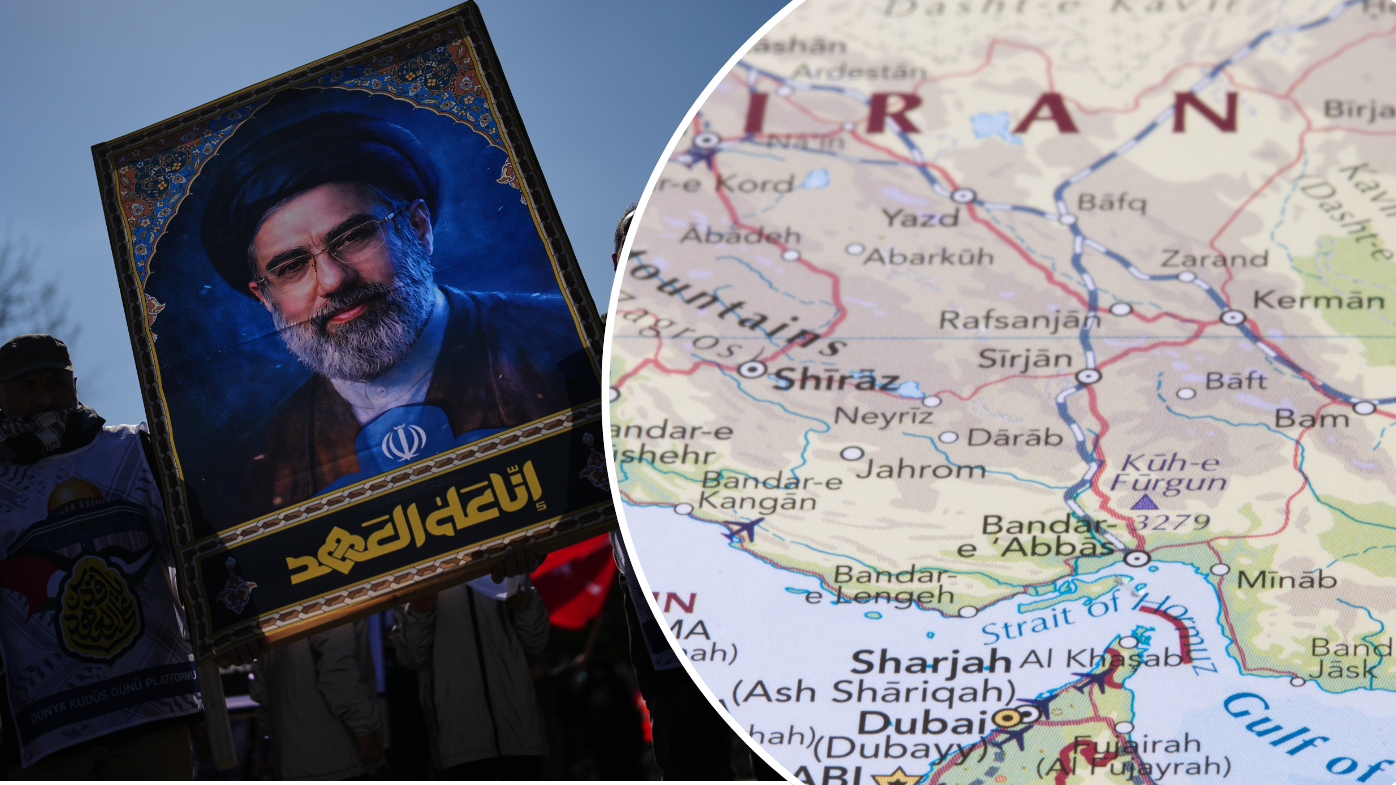
The primary driver behind this movement isn't democracy or human rights. It is the Strait of Hormuz. A significant portion of the world's oil and liquefied natural gas passes through this narrow choke point.
If a conflict shuts down that waterway, the global economy enters a tailspin. $150-a-barrel oil would trigger a worldwide recession that would make 2008 look like a minor market correction. This troop surge is, at its core, an attempt to keep the pumps running and the tankers moving. The Pentagon is acting as the world's most heavily armed traffic cop.
But this protection comes at a price. The U.S. is subsidizing the energy security of Europe and Asia while its own domestic infrastructure crumbles. It is a geopolitical trade-off that is becoming increasingly difficult to justify to a weary public.
The Drone Symmetrical Threat
The most significant shift in this deployment is the integration of electronic warfare units. In previous decades, the U.S. enjoyed total dominance of the electromagnetic spectrum. That is over.
Adversaries now have the capability to jam GPS, disrupt communications, and spoof radar. The troops being sent in are not just infantry; they are technicians and signal corps specialists. They are entering a "contested environment" where the very tools they rely on for survival may be turned against them.
This creates a high-stress environment where the margin for error is zero. A missed signal or a jammed radio could lead to a friendly fire incident or a failure to intercept an incoming missile. The technical sophistication of the threat has outpaced the speed of our bureaucratic response.
Why the Surge Won't End the Conflict
Adding more troops is a classic "more of the same" approach. It assumes that the enemy is rational and will be intimidated by a larger force. But many of the actors in the region are fueled by ideologies that value martyrdom over survival. Deterrence doesn't work on someone who wants to die.
By increasing our footprint, we are providing more opportunities for "propaganda of the deed." Every time a U.S. soldier is involved in a skirmish, it becomes a recruitment tool for extremist groups. We are feeding the very fire we are trying to extinguish.
The U.S. military is the finest instrument of destruction ever created, but it is a poor tool for nation-building or regional stabilization. We are trying to use a sledgehammer to perform heart surgery. The result is inevitably messy and leaves a lot of scar tissue.
The focus must remain on the specific units being moved. Look at the "Oshkosh" heavy expanded mobility tactical trucks (HEMTTs) and the specialized logistics units. These aren't for a quick in-and-out mission. These are the tools of a force that plans to stay for a very long time, digging in for a protracted period of "active waiting."
The Risk of Accidental Escalation
The sheer density of military assets in the region is now a risk factor in itself. With U.S., Russian, Turkish, Israeli, and Iranian forces all operating in the same cramped airspace, the chance of a mid-air collision or a mistaken engagement is skyrocketing.
We have seen this before. A nervous radar operator sees a blip, a commander makes a split-second decision, and a civilian airliner is downed or a neutral ship is struck. As we flood the zone with more assets, we are increasing the statistical probability of a catastrophe.
The "hotlines" between these various militaries are often ignored or used for misinformation. We are flying blind into a storm of our own making, hoping that the other side is just as afraid of a total war as we are. That is a dangerous gamble to take with thousands of American lives.
The troops are moving because the policy has failed. If diplomacy were working, we would be bringing people home. Instead, we are sending more. We are doubling down on a losing hand, hoping that one more surge, one more carrier, or one more squadron will be the thing that finally brings peace. It won't. It will only buy us more time in a region where time always runs out.
Check the tail numbers on the C-17s leaving Dover or Ramstein. Follow the movement of the replenishment ships in the Mediterranean. These are the real indicators of how long this "temporary" deployment is meant to last.