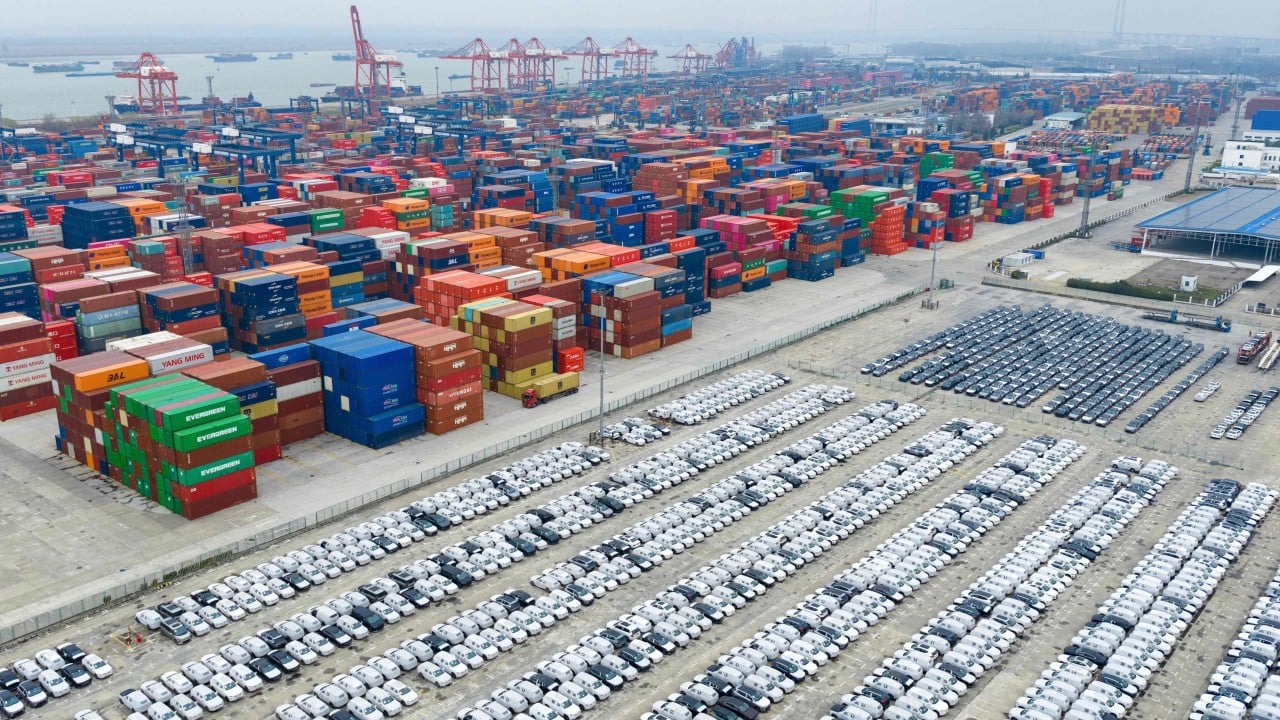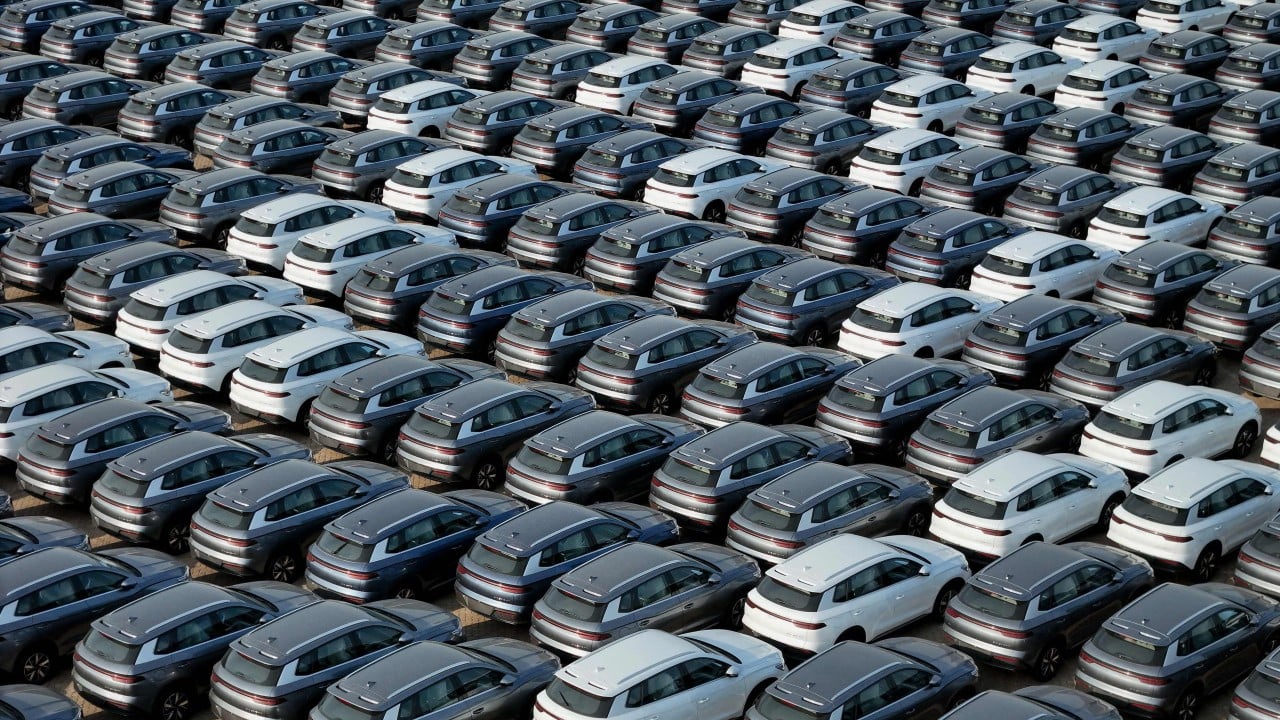
Beijing has spent years building a fortress around its economy. The goal was simple: make China unshakeable. They've stockpiled grain, dominated the electric vehicle market, and swapped US dollars for gold. But as the war in Iran shuts down the Strait of Hormuz, we’re seeing the first real cracks in that armor. It’s one thing to talk about "self-reliance" in a policy paper; it’s another to maintain it when 20% of the world’s oil supply—and a massive chunk of your own energy—is stuck behind a naval blockade.
Goldman Sachs economists, including Andrew Tilton, have been sounding the alarm on what this means for Asia’s largest economy. For a long time, the narrative was that China’s rapid electrification and massive strategic reserves would insulate it from Middle Eastern chaos. That theory is now being dragged into the real world. Honestly, it's not looking as clean as the planners in Beijing hoped.
The Oil Reality Check
You can’t run a global manufacturing superpower on hope. While China has made incredible strides in wind, solar, and nuclear power, it’s still the world’s largest oil importer. Before the current conflict escalated, China was pulling in roughly 1.4 million barrels per day from Iran alone. That’s about 13% of its total imports. Most of that flowed to "teapot" refineries—the small, private players that keep the wheels of Chinese industry turning.
Now, that tap is effectively dry. With the Strait of Hormuz a virtual no-go zone, the logistical nightmare has begun.
- The Price Spike: Oil isn't just a number on a screen; it’s the cost of moving every plastic toy and EV battery across the mainland. With prices hovering near $100 a barrel, the "inflation tax" is hitting Chinese factories hard.
- The Stockpile Clock: China has enough oil in reserve to last about four months. That sounds like a lot, but in a prolonged war, that's a blink of an eye. If the blockade doesn't break by summer, those "self-reliance" claims start to look very thin.
- The Russia Limit: Yes, Russia is sending more oil via overland pipelines, but it’s not enough to bridge the gap. The infrastructure has physical limits. You can't just wish a thousand more trucks into existence overnight.
Why the Tech Lead Might Not Save Them
The common argument is that China's lead in EVs makes them immune to oil shocks. It’s a nice thought, but it ignores the "petrochemical" side of the house. You need oil for more than just gasoline. It’s in the plastics, the lubricants, and the chemical precursors that fuel China’s massive export machine.
If the cost of these inputs stays high because of the Iran conflict, Chinese exports become more expensive. In a world where global demand is already shaky, that’s a recipe for a manufacturing slowdown. Goldman’s data suggests that for every 25% jump in oil prices, China’s GDP takes a 0.5% hit. That might not sound like much, but when you're already struggling with a property crisis and high youth unemployment, it's a gut punch you didn't need.
The Strategy of Staying Out
Beijing’s response to the war has been telling. They’ve stayed mostly on the sidelines, offering "diplomatic gestures" while avoiding any military skin in the game. This is the "externalization of risk" at its finest. They want the benefits of Middle Eastern energy without the cost of policing the region.
But here’s the problem: when your energy security depends on a chokepoint guarded by others, you aren't truly self-reliant. You’re just a very wealthy passenger. The Iran war is forcing China to decide if it wants to be a superpower that actually projects power to protect its interests, or if it’s okay with its "fortress economy" being held hostage by regional flares.
What This Means for Your Portfolio
If you’re watching the markets, the "soft landing" narrative for China is getting harder to justify. The ripple effects of the Iran war are just starting to hit the real economy.
- Watch the "Teapots": If small private refineries in China start shuttering due to high costs, it’s a leading indicator of a broader industrial slowdown.
- Monitor the Renminbi: China has been using the yuan to pay for Iranian oil to bypass sanctions. If that trade stays dead, the push for yuan internationalization loses its biggest real-world use case.
- Inflation is the Real Enemy: Most people think a war in Iran only hurts the US at the pump. In reality, it’s a direct tax on the Chinese consumer. If Beijing has to spend billions more on energy, they have less to spend on propping up their housing market.
Basically, the "self-reliance" dream is facing its toughest grade yet. China isn't going to collapse tomorrow, but the idea that they’ve decoupled from global volatility is officially dead. They’re just as tied to the Strait of Hormuz as everyone else—they just have a better poker face about it.
Keep an eye on the oil reserves. If the government starts dipping into the strategic supply earlier than expected, that's your sign that the situation is worse than the official state media is letting on. The next three months will tell us if China is actually a fortress or just a very well-decorated house of cards.