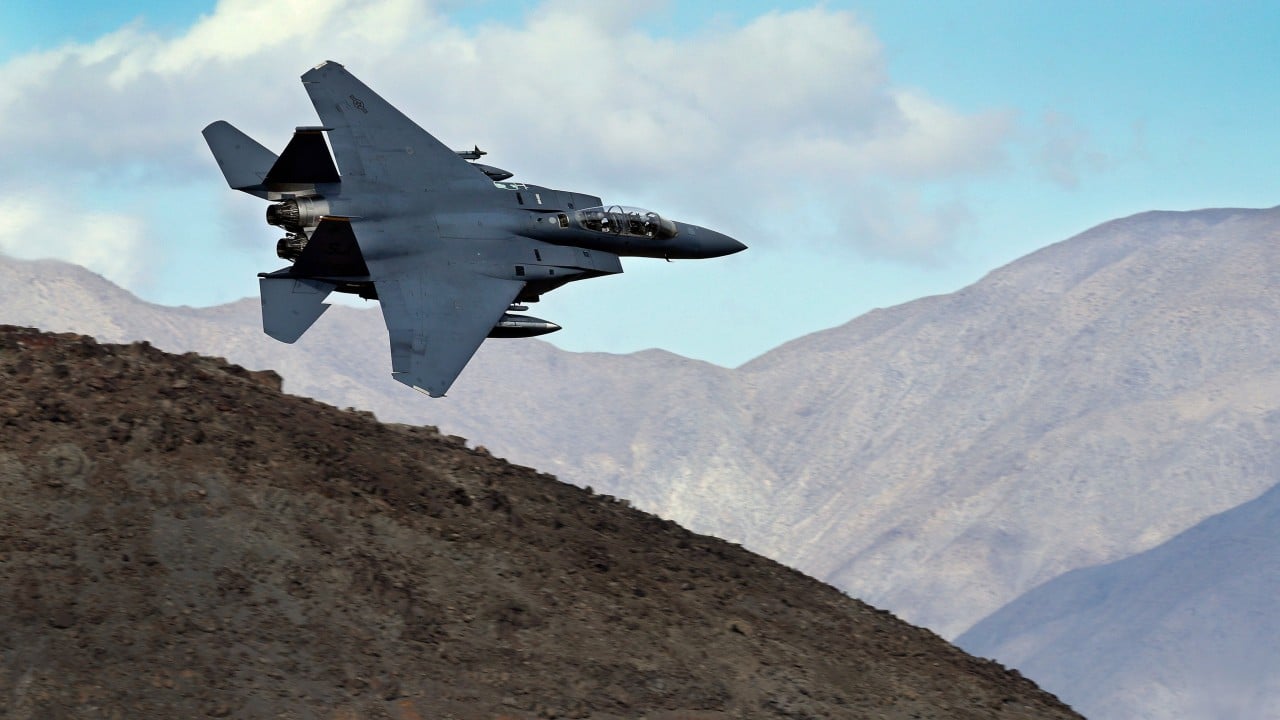
The explosions in Iran aren't just rattling windows in Tehran. They're shaking the very foundations of South Asian stability. If you think the chaos in West Asia is a "them" problem, you're missing the bigger picture. For countries like India and Pakistan, a full-blown war involving Iran isn't a distant geopolitical drama—it's an immediate, existential threat to their economies and internal security.
We aren't talking about abstract diplomatic shifts. We're talking about empty fuel tanks, surging food prices, and the potential for borders to ignite. The 2026 joint offensive by the U.S. and Israel against Iran has already pushed Brent Crude past $120 per barrel. For a region home to nearly two billion people, many of whom live on the edge of poverty, those numbers aren't just statistics. They're a fuse.
The Energy Chokepoint is a Noose
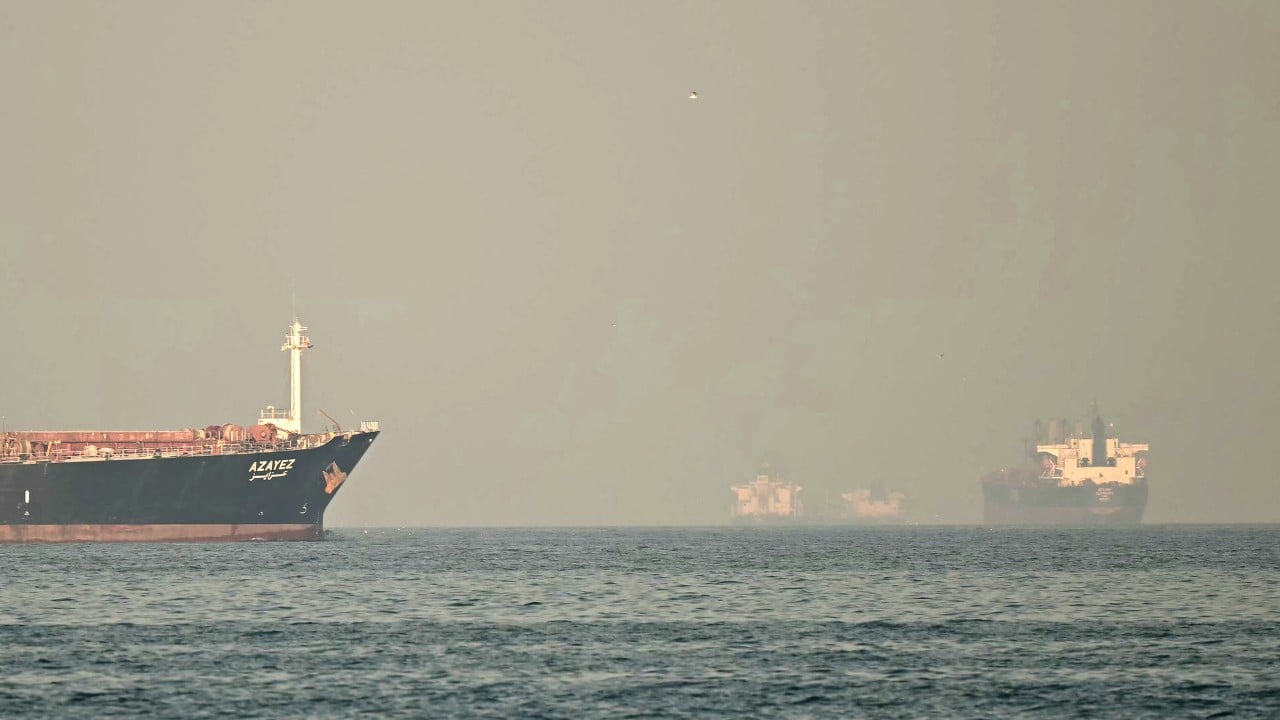
Most of South Asia runs on energy that passes through the Strait of Hormuz. When Iran effectively closed that waterway in early March, it didn't just hurt oil companies. It strangled the lifeblood of South Asian industry. India, Japan, and South Korea account for a massive 75% of the oil flowing through that gap.
India has some strategic reserves, but they aren't infinite. When QatarEnergy declared force majeure on LNG exports after the blockade, the price of natural gas in Asia skyrocketed by 140%. That's a body blow to India's manufacturing sector and its transition to cleaner energy. It's even worse for Pakistan and Bangladesh, where foreign exchange reserves are already spread thin. You can't run a country on "solidarity" when the lights are going out and the pumps are dry.
The Border is a Powder Keg
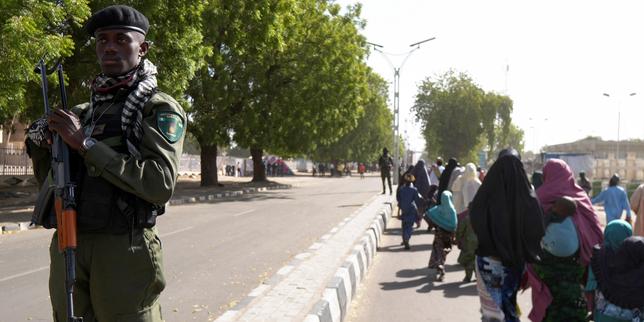
Pakistan shares a 900-kilometer border with Iran. It’s not a line on a map; it’s a living, breathing, and often violent frontier. The "triple-front dilemma" facing Islamabad right now is a nightmare scenario for any military. While clashing with the Taliban along the Durand Line to the west and maintaining a tense standoff with India to the east, they now have to worry about a collapsing Iran.
The fear isn't just about missiles. It's about people. A massive wave of refugees from Iran would overwhelm Pakistan’s already strained infrastructure. Even more dangerous is the "Baloch factor." Insurgents in Iran's Sistan-Baluchestan province have long ties with militants in Pakistan's Balochistan. If Tehran loses its grip, these groups will gain ground, turning the border into a lawless corridor for weapons, drugs, and radicalism.
Sectarian Fault Lines are Opening
The death of high-ranking Iranian leadership in February triggered more than just official mourning. In Pakistan, where the Shia community makes up about 15-20% of the population, the reaction was visceral. The March 1 attempt to storm the U.S. Consulate in Karachi, which ended in the deaths of at least 10 people, was a warning shot.
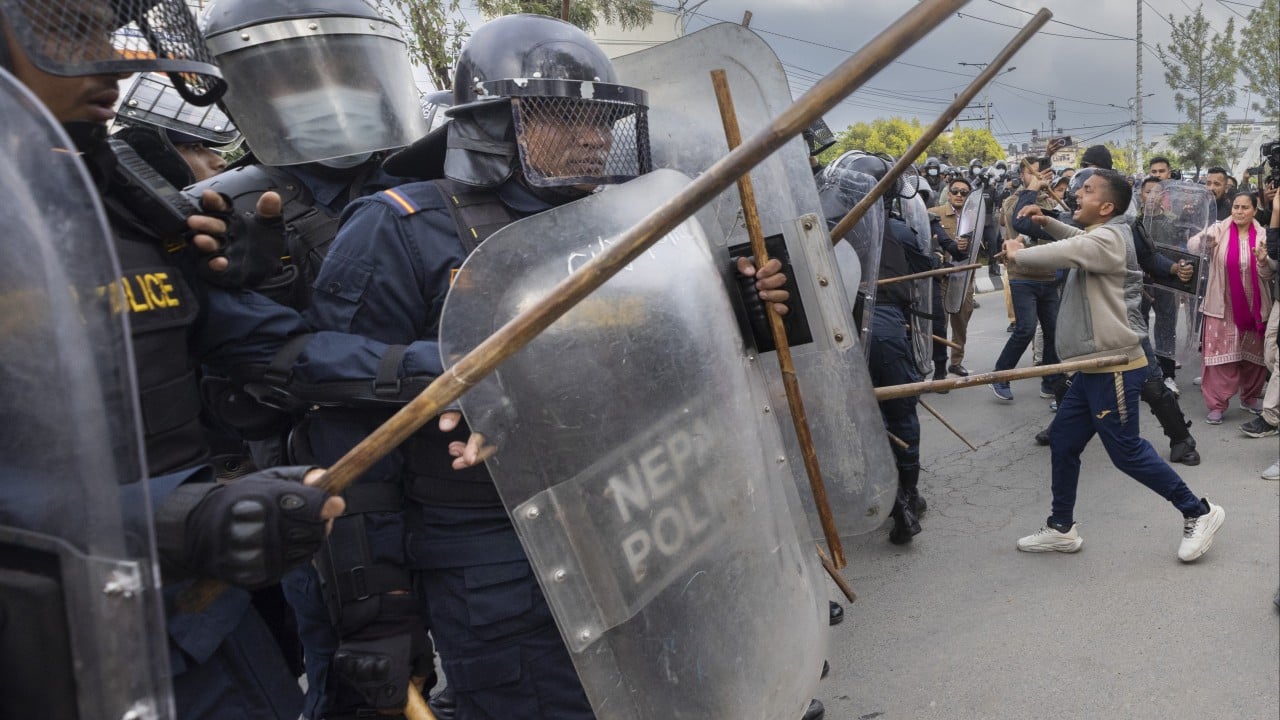
Internal security forces are now stretched thin trying to prevent these protests from turning into full-scale sectarian violence. When the U.S. Marine guards opened fire in Karachi, they didn't just defend a building; they handed a propaganda victory to every hardline group looking to destabilize the Pakistani government. It's a delicate balance. The state has to show support for its neighbor while keeping its strategic ties with Washington and Riyadh intact. It’s a high-wire act with no safety net.
The End of the Migrant Dream
For decades, the Gulf has been the "promised land" for South Asian workers. Millions of Indians, Pakistanis, and Bangladeshis send billions of dollars home every year in remittances. These funds keep national economies afloat.
The war is killing that dream. As Iran’s retaliatory strikes hit targets across the Gulf—like the attack on Qatar’s Ras Laffan complex—the image of the region as a safe haven is evaporating. If these workers have to flee, South Asian governments won't just lose those monthly checks. They'll gain millions of unemployed, angry young men returning to countries that have no jobs for them.
Moving Toward a New Strategic Map
The old way of thinking about South Asian security—focusing only on the India-Pakistan rivalry or the "Great Game" in Afghanistan—is dead. We have to look at the region as part of a single, interconnected security space that stretches from the Mediterranean to the Bay of Bengal.
- Energy Independence is No Longer Optional: India and its neighbors have to stop "panic buying" and start building a more resilient energy grid that doesn't depend on a single chokepoint.
- Maritime Security is the New Frontier: Operation Muhafiz-ul-Bahr by the Pakistan Navy is a start, but the region needs a collective maritime framework to protect shipping lanes from drone and missile threats.
- Internal De-escalation: Governments must prioritize social harmony to prevent the "spillover" of West Asian sectarianism into local neighborhoods.
The 2026 Iran war has shown that when the Middle East catches a cold, South Asia gets pneumonia. The time for treating these as "distant" problems ended the moment the first Tomahawk hit Tehran. It's time to build a strategy that acknowledges our geography isn't a shield—it's a conductor for the world's most dangerous shocks.