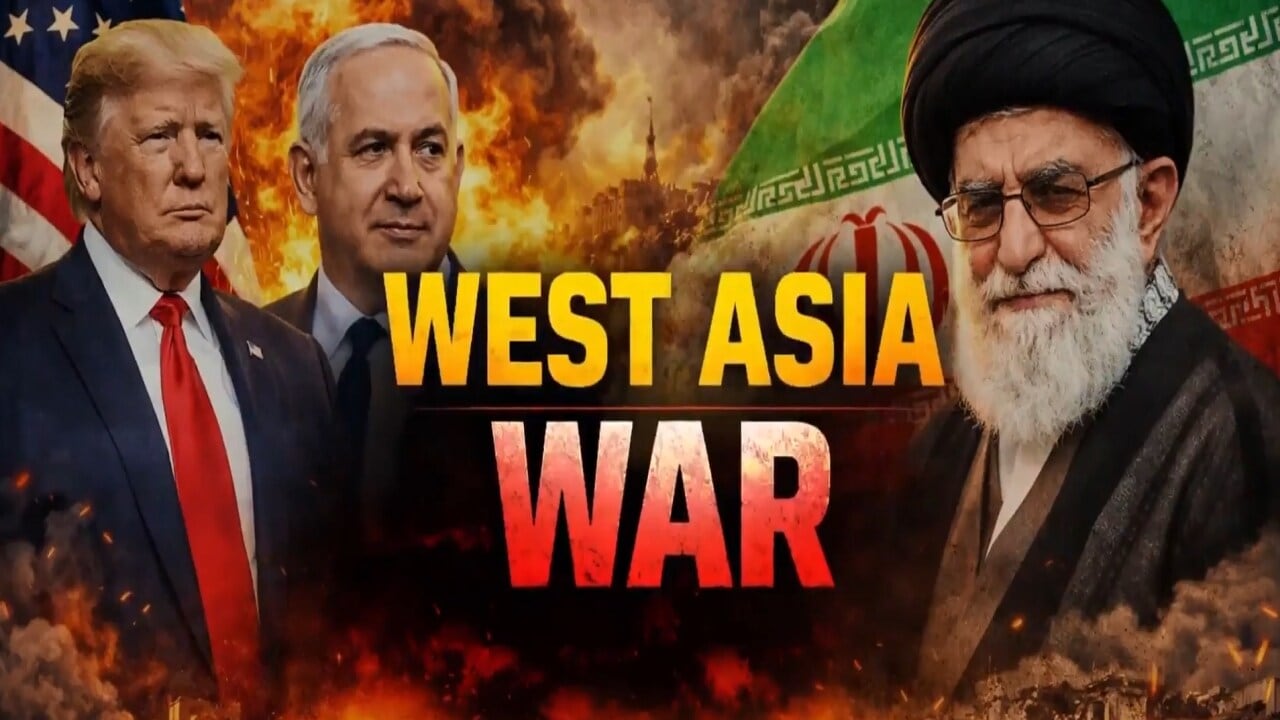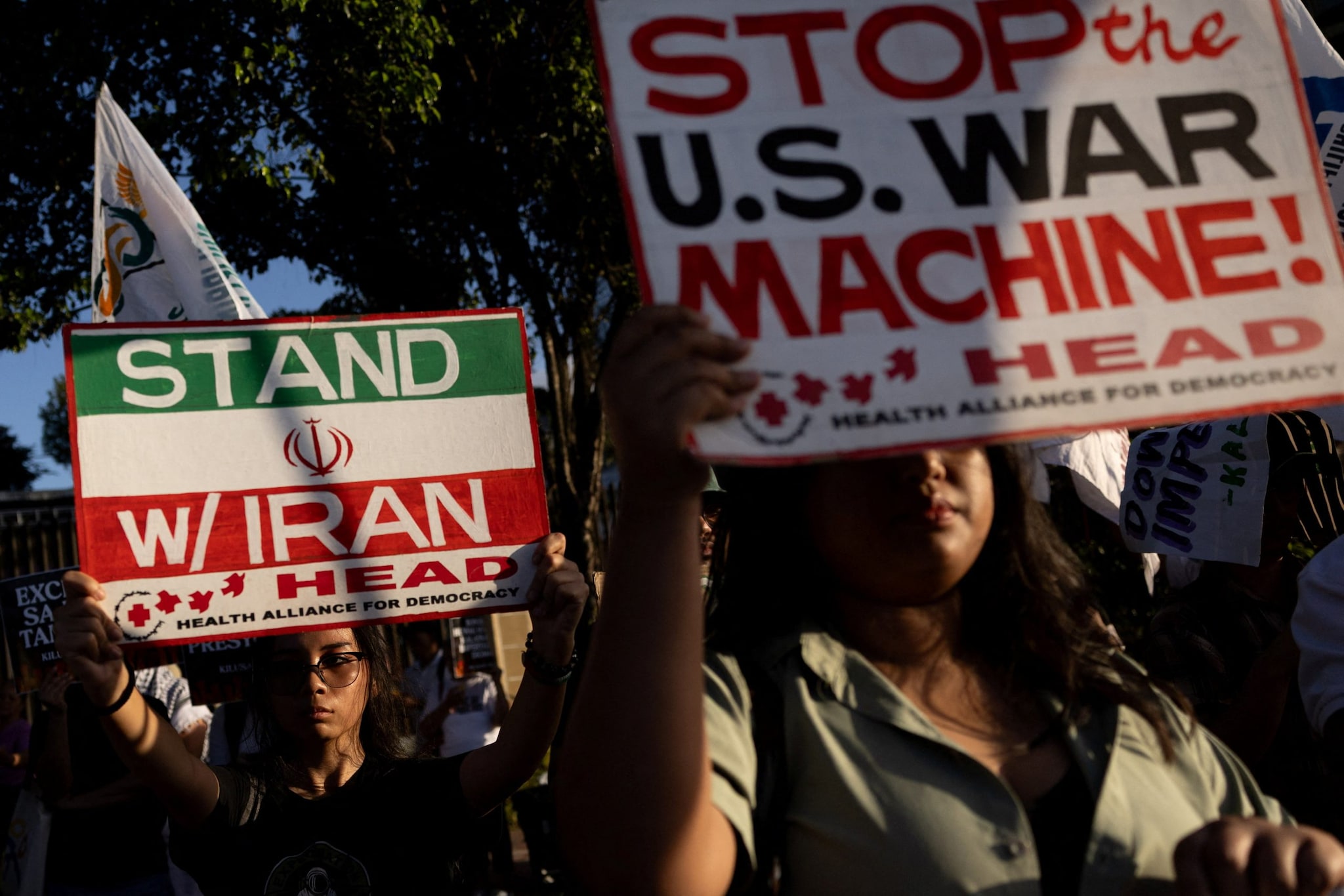
The International Maritime Organization (IMO) is racing to build a "humanitarian framework" to extract approximately 20,000 seafarers currently trapped behind a naval blockade in the Gulf. This move, announced by Secretary-General Arsenio Dominguez following an extraordinary session in London on March 19, 2026, marks the most desperate diplomatic intervention in shipping since the 2023 Red Sea crisis. While the maritime industry often operates in the shadows of global trade, the sheer scale of the current paralysis—nearly 2,000 vessels unable to safely transit the Strait of Hormuz—has forced the UN’s shipping agency to pivot from policy-making to active crisis management.
The immediate goal is to establish a safe maritime corridor. This would allow merchant ships to evacuate high-risk areas on a voluntary basis, ostensibly under a neutral flag of protection. However, the reality on the water is far more volatile than the diplomatic language suggests. Unlike the Red Sea disruptions of 2024, the current standoff involves direct kinetic threats across the world’s most vital energy artery, where the Revolutionary Guard has effectively shut the door on international navigation.
The Math of a Maritime Siege
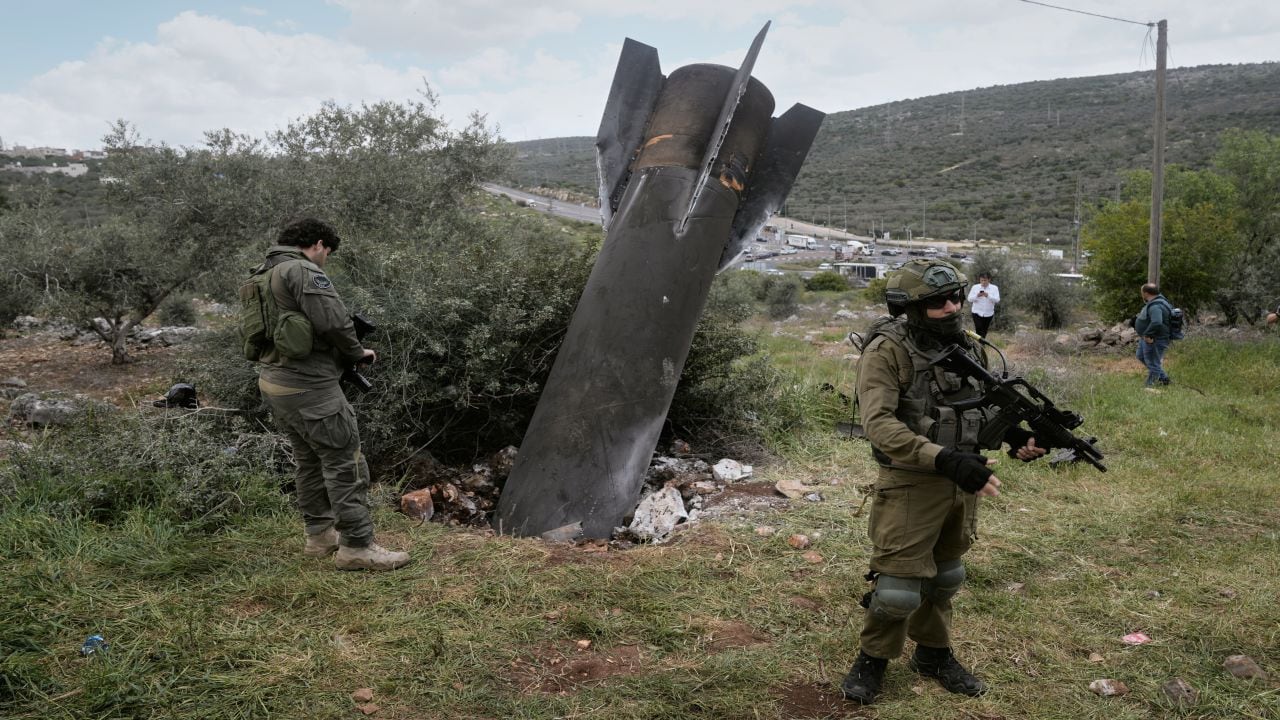
The numbers provided by the IMO are staggering. Beyond the 20,000 humans currently sitting on multi-million dollar targets, the Council reported 17 distinct vessel incidents in recent weeks. These aren't just technical malfunctions or "harassment." At least seven seafarers have been killed. Several others are dealing with life-altering injuries.
When a ship is "trapped," it doesn't just sit idle. It becomes a floating prison. Crews are enduring 24-hour watches, GNSS jamming that renders standard navigation tools useless, and the constant psychological weight of knowing a missile could arrive with zero warning. Supplies are also a ticking clock. The IMO has issued a directive to member states to facilitate the delivery of food, water, and fuel to these vessels, a logistical nightmare in a zone where most commercial supply chains have been severed.
Diplomacy Without Teeth
Secretary-General Dominguez was remarkably candid about the limitations of his office. He noted that for this evacuation framework to materialize, he needs "concrete actions" from the very nations currently pointing batteries at one another. It is a tall order.
The proposal for the corridor was spearheaded by a coalition including Singapore, Panama, and the UAE. Noticeably absent from the enthusiastic support were Iran and China, who described the draft decisions as "one-sided." This geopolitical friction points to the fatal flaw in the IMO’s plan. A humanitarian corridor only works if the belligerents agree not to fire into it. Without Iranian cooperation, any "safe passage" is merely a suggestion.
History provides a grim precedent. During the early days of the conflict in Ukraine, similar "blue corridors" were proposed for the Black Sea. They took months to negotiate and were frequently violated. In the Gulf, where the geography is tighter and the weaponry more sophisticated, the margin for error is non-existent.
The Shadow Fleet and the Risk of Miscalculation
An overlooked factor in this crisis is the presence of the "shadow fleet"—uninsured, aging tankers that continue to move oil despite the blockade. These vessels often operate with AIS (Automatic Identification System) transponders turned off, weaving through the same waters where legitimate merchant ships are now stranded.
This creates a chaotic operational environment. Naval forces attempting to monitor the Strait are faced with a "dark" maritime landscape where a legitimate evacuation effort could easily be mistaken for a tactical maneuver. The risk of a "friendly fire" incident or a tragic misidentification is at an all-time high.
Beyond the Galaxy Leader
While the industry celebrated the release of the Galaxy Leader crew in early 2025 after 430 days of captivity, the current situation is different in kind. The Galaxy Leader was a targeted hijacking. Today's crisis is a blanket denial of access.
We are seeing the limits of "Operation Prosperity Guardian" and its successors. Military escorts can protect a convoy, but they cannot "escort" 2,000 ships simultaneously. The bottleneck at the Strait of Hormuz is only 21 miles wide at its narrowest point. If a single large tanker is hit and sinks in the channel, the "evacuation mechanism" becomes irrelevant because the door will be physically barred.
The Breaking Point for Global Crews
The mental health of the stranded 20,000 is perhaps the most critical, yet least discussed, element. Seafarers typically work four-to-nine-month contracts. Many of those currently in the Gulf were already at the end of their tours when the region ignited. They are now being told they cannot leave, not because of a virus or a contract dispute, but because they are effectively human shields in a regional war.
The IMO's call for "crew change and renewal operations" is a plea to the conscience of port states. But few airlines are flying into the region, and fewer insurers are willing to cover the transit of relief crews into a combat zone. The industry is asking people to volunteer to enter a trap so that others can leave it.
This isn't just a shipping crisis. It is a fundamental breakdown of the rules of the sea that have governed global trade since the end of the Second World War. If the IMO cannot secure this corridor, the concept of "innocent passage" may be dead for a generation.
Shipping companies are already voting with their rudders. CMA CGM and other majors have begun bypass operations, utilizing multimodal land bridges to avoid the Strait entirely. These are expensive, inefficient, and cannot handle the volume of the world's oil. They are the moves of an industry that has lost faith in the ability of international bodies to keep the sea lanes open.
The next 72 hours of diplomatic signaling from Tehran and Washington will determine if the IMO’s framework is a genuine lifeline or a footnote in the history of a closing ocean.
Would you like me to analyze the specific insurance implications for the vessels currently stuck in the Gulf?