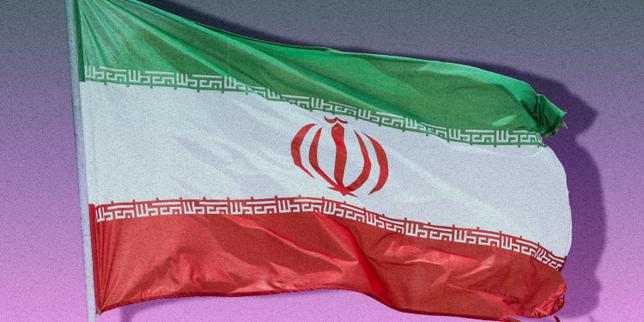
In a small, dimly lit kitchen in Tehran, a woman named Maryam watches the steam rise from a pot of water. There is no rice in it today. She adjusts the dial on her radio, catching the frantic cadence of a news anchor discussing "strategic depth" and "regional deterrence." To the analysts in high-ceilinged studios in Paris or Washington, these are the chess moves of a grand geopolitical game. To Maryam, they are the sounds of her vanishing middle-class life.
She is the person the headlines forget.
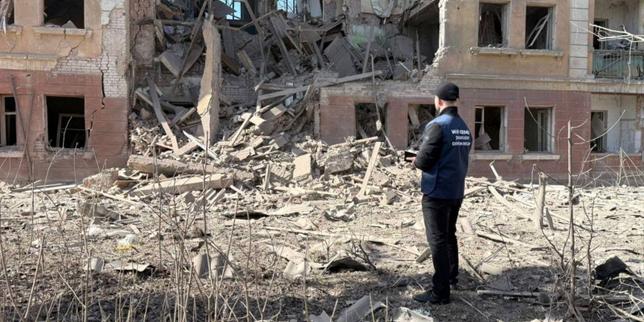
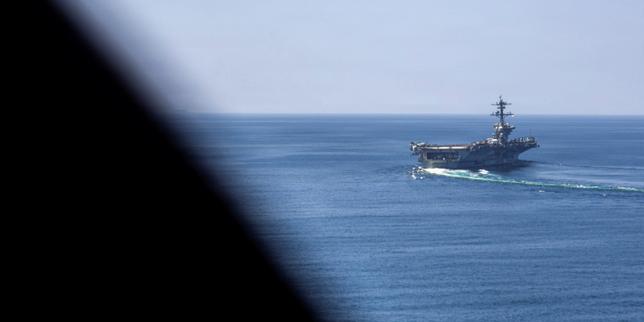
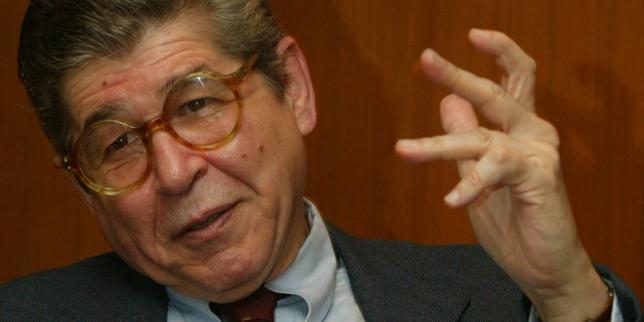
When we talk about the shadow war between Iran and its regional rivals, we tend to speak in the language of ballistics. We count the range of a Fattah missile. We map the trajectory of a drone swarm. We debate the "proportionality" of a strike on a consulate or a military base. But the philosopher Anoush Ganjipour suggests we are looking at the wrong map. The real map isn't drawn in sand or soil; it is etched into the psyche of a population that has been held hostage by a perpetual state of emergency for forty years.
The Architecture of the Permanent Threat
Imagine living in a house where the alarm system is permanently blaring. After the first hour, you are panicked. After the first day, you are exhausted. After forty years, your nervous system begins to fray. This is the structural reality of the Iranian state.
The Iranian leadership has mastered the art of the "neither peace nor war" limbo. It is a brilliant survival strategy for a regime, but a slow poison for a society. By keeping the nation on a permanent war footing, the government achieves something more valuable than military victory: the total suspension of internal politics.
When the drums of war beat, the demand for bread, freedom, or a stable currency is reframed as a betrayal. To ask why the rial has lost nearly all its value is to "weaken the national resolve." To protest for basic human rights is to "serve the interests of the Zionist entity." The external enemy is not just a threat to be managed; it is the essential ingredient that keeps the domestic machinery from seizing up.
Consider the paradox of the "victorious" state. On paper, Iran’s influence stretches from the Mediterranean to the Gulf of Aden. Its "Axis of Resistance" is a formidable network of proxies that can project power far beyond its borders. Yet, walk down a street in Isfahan and you will see the cost of this expansion. The "strategic depth" the generals brag about is paid for by the "economic shallowness" of the people.
Every dollar spent on a militia in a foreign land is a dollar stripped from a local hospital or a crumbling school. The Iranian people are the silent investors in a war they never voted for, and they are the only ones who never see a dividend.
The Psychology of the Hostage
There is a specific kind of exhaustion that comes from being told you are constantly on the verge of a catastrophe that never quite arrives, yet never quite leaves. Ganjipour points out that the Iranian people are essentially caught in a pincer movement. On one side, they face a regime that uses the threat of war to justify internal repression. On the other, they face an international community that uses sanctions—a form of economic warfare—to punish that same regime.
The sanctions are described by policymakers as "targeted." They are supposed to squeeze the IRGC and the ruling elite. But wealth is like water; it finds the high ground. The elite always have access to the bypasses, the black markets, and the state coffers. The "targets" don't skip meals.
It is the Maryams of Iran who feel the squeeze.
When the price of medicine triples overnight because of a currency collapse linked to a new round of tensions, that is a casualty of war. There is no blood, no smoking crater, and no satellite footage of the impact. But the death of a grandfather who can no longer afford his heart medication is a war death nonetheless.
This creates a profound sense of alienation. The Iranian people look at their government and see a leadership obsessed with a regional struggle that feels light-years away from their daily survival. They look at the West and see a power that speaks of "liberation" while making it impossible for them to buy baby formula.
They are the "first and last losers" of every escalation. If a hot war breaks out, their cities are bombed. If the cold war continues, their futures are bled dry.
The Mirage of Stability
We often hear the argument that Iran’s regional assertiveness is a defensive necessity—a way to ensure that the horrors of the 1980-1988 Iran-Iraq war never happen again. That war is the foundational trauma of the modern Iranian state. It was a meat-grinder that claimed hundreds of thousands of lives and left a scar across the national soul.
But there is a difference between a shield and a shroud.
The current strategy has turned the entire country into a shroud. By prioritizing the "external front," the state has allowed the internal fabric of society to rot. The brain drain is staggering. The most educated, creative, and ambitious young Iranians are fleeing, not because they hate their culture, but because they cannot breathe in a room that is constantly being filled with the smoke of a looming fire.
The tragedy is that this state of emergency has become the status quo. We have reached a point where "stability" in the Middle East is defined by how well the various players can calibrate their violence. We talk about "managed escalation." We celebrate when a weekend of missile fire results in "minimal damage."
Minimal for whom?
Not for the student in Tehran whose university has become a fortress. Not for the laborer who watches his life savings evaporate every time a politician gives a fiery speech.
The Weight of the Invisible
The invisible stakes are the things that cannot be measured in kilotons or GDP. They are the missed opportunities. The unwritten books. The businesses that were never started. The families that chose not to have children because the future looked like a gray wall.
The Iranian people have shown, repeatedly, that they possess a vibrant, democratic impulse. From the Green Movement to the "Woman, Life, Freedom" protests, the desire for a "normal" life—a life not defined by the struggle against an external or internal demon—is palpable.
But war, even the threat of it, is the ultimate silencer. It collapses the space for nuance. It forces a "with us or against us" mentality that is the death of civil society.
When we analyze the next move in the Middle East, we must stop looking only at the flight paths of the drones. We need to look at the dinner tables. We need to look at the pharmacies. We need to look at the eyes of the people who are tired of being the collateral damage of a "victory" that never brings peace.
The real front line is not a border. It is the threshold of a home in Tehran where a woman sits in the dark, listening to the radio, wondering if the world realizes that she is already living in the ruins of a war that hasn't even officially begun.
The greatest casualty of the regional conflict isn't a building or a bridge. It is the possibility of an Iranian future that belongs to the Iranians themselves. Until the state of emergency is lifted, until the "eternal enemy" is no longer the primary justification for the state's existence, the people will remain the primary losers. They are waiting for a peace that is more than just the absence of bombs. They are waiting for the right to live a life that is not a footnote to someone else's strategy.
The pot of water on Maryam’s stove begins to boil. It is empty. She turns off the flame. The silence that follows is not peace; it is the heavy, suffocating weight of a war that refuses to end.
Would you like me to analyze the historical parallels between the current Iranian "state of emergency" and other 20th-century regimes that used external threats to maintain domestic control?