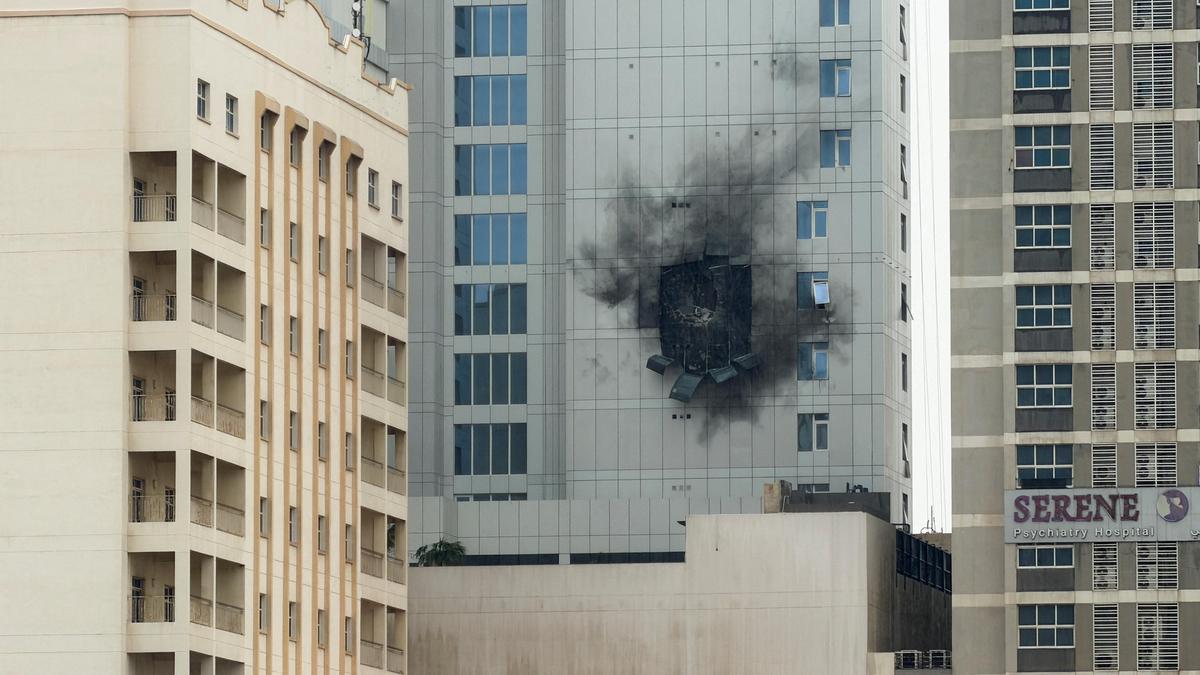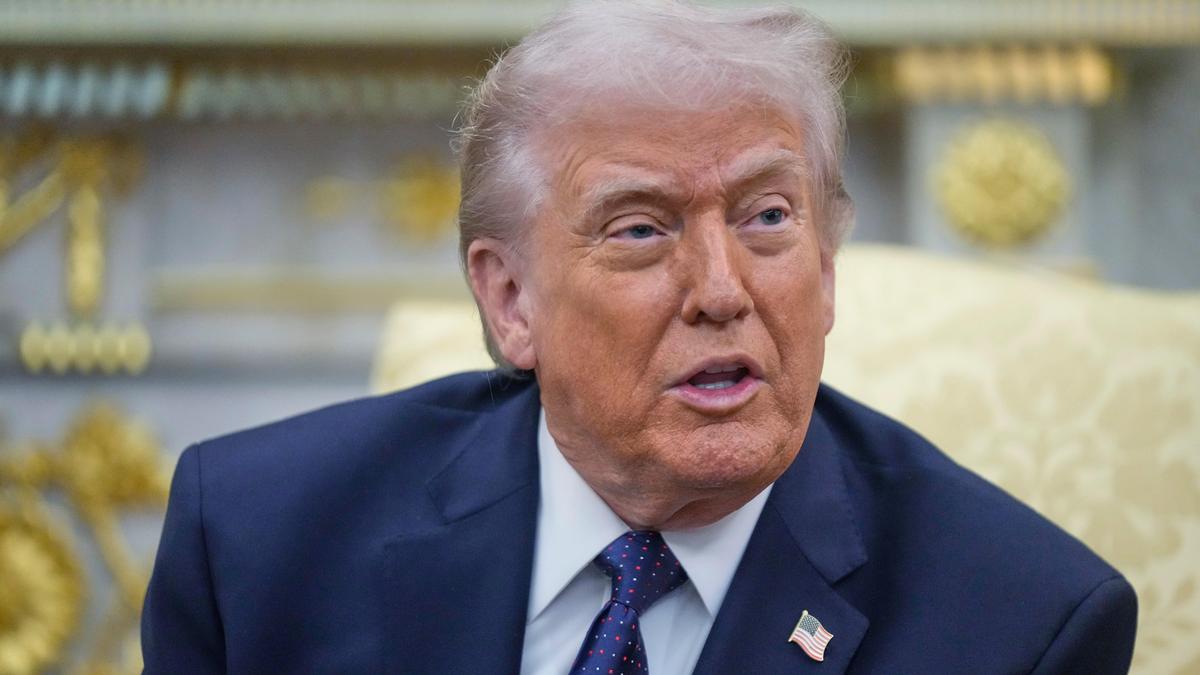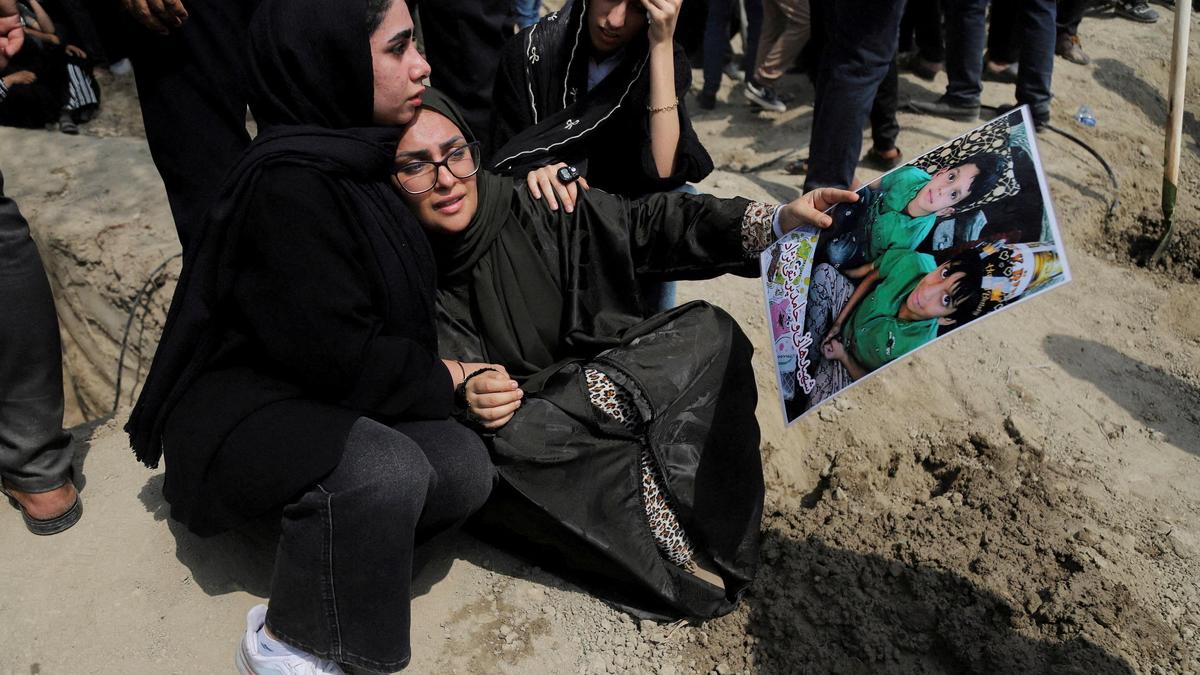
The international community is addicted to a predictable, hollow choreography of grief. Whenever a strike hits a sensitive target—like the recent, horrific loss of 160 children at a school in Iran—the United Nations pulls its standard script from the drawer. They are "deeply disturbed." They "condemn in the strongest terms." They call for "immediate investigations."
It is a performance. And it is a performance that effectively guarantees these tragedies will happen again next month, next year, and in the next decade. For an alternative perspective, read: this related article.
By focusing exclusively on the immediate carnage and the violation of "international norms," the global headlines ignore the structural reality of modern warfare: the erosion of the distinction between civilian and military infrastructure is not an accident. It is a feature of asymmetric conflict. Until we stop treating these events as isolated moral failures and start treating them as the logical outcome of current geopolitical strategies, our "outrage" is nothing more than noise.
The Myth of the Neutral Zone
The competitor narrative suggests that schools, hospitals, and residential blocks are static "safe zones" that are only violated by the depravity of an aggressor. This is a comforting lie. In high-stakes regional conflicts, the very concept of a neutral zone has been weaponized. Further reporting on this trend has been shared by Al Jazeera.
When state or non-state actors operate within proximity to civilian infrastructure, they are betting on the international community’s reaction. They are counting on the "deeply disturbed" press release from the UN to act as a shield or, failing that, a powerful propaganda tool.
I’ve spent years analyzing the fallout of urban kinetic engagements. The pattern is always the same. One side uses the density of civilian life to complicate the enemy's targeting math. The other side eventually decides the target is worth the "collateral damage." The children are the only ones who didn't sign up for this gamble, yet they are the currency in which the debt is paid.
The UN’s condemnation fails because it addresses the effect without ever confronting the incentive. If you want to stop schools from being hit, you have to make it strategically impossible to use them as proximity shields. Simply wagging a finger at the pilot who dropped the bomb—or the general who ordered it—is a lazy intellectual shortcut.
Why International Law is a Paper Tiger
Everyone loves to cite the Geneva Convention when a tragedy hits the news cycle. It makes us feel like there are "rules" to the game. But let’s be brutally honest: international law only applies to the people who are already losing or to those who are small enough to be bullied.
For major regional powers and their proxies, the cost of a "war crime" label is significantly lower than the cost of losing a strategic objective.
- Sanctions? They are baked into the budget.
- Reputational damage? It’s temporary and mostly localized to Western Twitter.
- Legal prosecution? The ICC has no teeth against nations that refuse to recognize its jurisdiction.
When 160 children die, the UN’s "deep disturbance" is a substitute for action. It provides a pressure valve for public anger. It allows the world to feel like something is being done because a man in a suit in New York gave a somber speech. In reality, the logistics of the next strike are already being mapped out.
The Intelligence Failure Nobody Talks About
We are told these strikes are often the result of "intelligence failures." This is a sanitized way of saying someone got the math wrong.
Modern warfare relies on a hierarchy of targets. A school isn't targeted because someone hates education; it’s targeted because a signal, a person, or a weapon system was tracked to that coordinate. The "failure" isn't that they hit the school—the failure is the arrogance of thinking that high-precision weaponry can ever be "clean" in an urban environment.
- Kinetic overreach: The belief that a $50 million missile can surgically remove a threat without affecting the building next door.
- Confirmation bias: Intelligence agencies seeing what they want to see to justify a strike that has been months in the making.
- Dehumanization of data: When you view a school as a "potential node of insurgent activity," you’ve already killed the children in your mind.
The competitor articles won't tell you that the technology we've been told makes war "safer" is actually making these mass-casualty events more frequent. Because the strike is "precise," commanders feel more emboldened to take the shot.
Stop Asking if it was a War Crime
The internet is currently flooded with people asking, "Is this a war crime?"
It’s the wrong question.
If the answer is "yes," what changes? Nothing. If the answer is "no" (based on some legal technicality about military necessity), does that make 160 dead children more acceptable? Of course not.
The real question we should be asking is: How do we make civilian infrastructure a liability rather than an asset for military actors?
As long as the UN and the international media treat these tragedies as PR crises to be managed, they are complicit. They are providing the exact "outrage" that military strategists account for in their risk-benefit analysis. They know the news cycle will move on in 72 hours. They know the "condemnation" has no physical weight.
The Cost of Professional Grief
There is a whole industry built around being "deeply disturbed." Non-profits, UN sub-committees, and "conflict experts" thrive on these moments. They generate reports, they hold conferences, and they fundraise off the back of the imagery.
I have seen millions of dollars poured into "monitoring" these situations while zero dollars are spent on the hard, dirty work of diplomatic leverage that would actually move the needle. It is easier to tweet a black square or a hashtag than it is to dismantle the arms pipelines that supply the region.
If we were serious about those 160 children, we wouldn't be looking at the rubble. We would be looking at the bank accounts of the companies that sold the parts for the guidance systems. We would be looking at the diplomatic cover provided by permanent members of the Security Council.
Dismantling the Status Quo
The "lazy consensus" is that if we just scream loud enough about international law, the killing will stop. It won't. It hasn't.
We need to move toward a model of Radical Accountability.
- End the Immunity of Proxies: If a state-sponsored group operates out of a civilian area, the sponsoring state must be held fiscally responsible for every drop of blood spilled in the inevitable retaliation.
- Automated Sanctions: Not debated sanctions, but hard-coded economic triggers that fire the moment a civilian target is hit, regardless of the "intent."
- Transparency of Targeting: Force the release of the "intelligence" that led to the strike within 24 hours. If it's classified, too bad. If you want to kill in a school zone, the world gets to see your math.
The current system is designed to protect the institutions of war while feigning sympathy for the victims. The UN isn't "disturbed"—it's functioning exactly as intended: as a shock absorber for the world's conscience.
Until we stop accepting "condemnation" as a valid response to the slaughter of children, we are just spectators at a recurring execution.
The cameras will leave. The UN will move on to the next "deeply disturbing" development. The families in Iran will be left with empty desks and a world that promised "never again" for the thousandth time.
Stop reading the headlines that ask you how to feel. Start reading the maps that show you why they did it.
If you're still waiting for a "thorough investigation" to bring justice, you haven't been paying attention to the last fifty years of history. Justice doesn't come from a press release. It comes from making the cost of war higher than the price of peace—something the international community is still too cowardly to do.