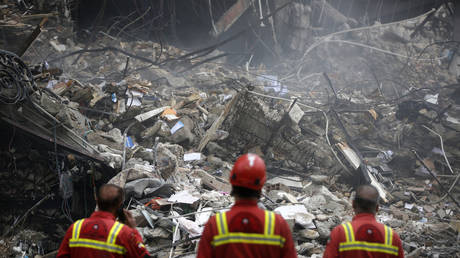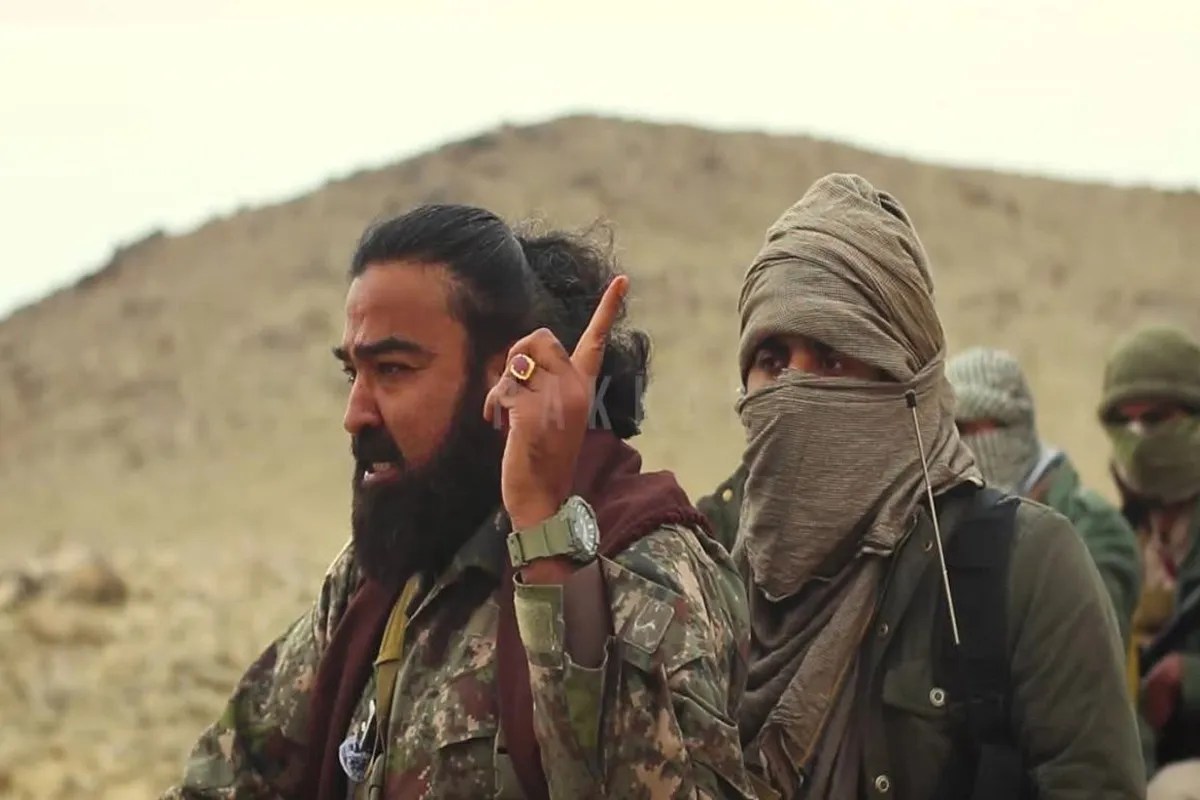
The ground in Mastung is stained again. It's a story we've heard too many times, yet each instance feels like a fresh wound for the people living in Balochistan. When security forces are accused of barging into a private home and shooting a young man dead in front of his family, it isn't just a "security operation." It's a breakdown of the social contract. People are angry, and they have every right to be. This latest incident in Mastung, where a youth was reportedly killed by security personnel inside his own house, highlights a terrifying reality for the locals.
You can't talk about Balochistan without addressing the elephant in the room. There's a massive gap between the official state narrative and the lived experience of the people on the ground. While the authorities often cite "intelligence-based operations" to justify their presence, the civilian toll is mounting. This isn't just about one life lost; it's about the erosion of trust in every institution meant to protect the public.
Why the Mastung Incident Matters Right Now
Mastung has always been a flashpoint. It sits at a strategic crossroads, making it a focus for security agencies. But the tactics used are increasingly being questioned by human rights advocates and local political leaders. In this specific case, witnesses describe a scene of pure chaos. Security forces allegedly entered a residential area, bypassed any legal protocol, and opened fire.
The victim wasn't on a battlefield. He was at home.
This distinction is crucial. When the state enters the domestic sphere—the one place people are supposed to feel safe—and uses lethal force without due process, it stops being policing. It looks a lot more like state-sanctioned violence. The aftermath has seen a surge in local protests, with families blocking roads and demanding justice. They aren't asking for much. They're asking for the law to apply to the men in uniform just as much as it applies to the man on the street.
The Pattern of Extrajudicial Actions
If this were an isolated event, you might call it a tragic mistake. But it isn't. Organizations like Amnesty International and the Human Rights Commission of Pakistan (HRCP) have documented hundreds of cases of enforced disappearances and extrajudicial killings in the region.
- Raids without warrants: Standard operating procedure often ignores the need for judicial oversight.
- Lack of accountability: It's rare to see a high-ranking official face a courtroom for these "collateral" deaths.
- Media blackouts: Local reporters often face immense pressure to keep these stories quiet, or they risk becoming the next target.
Honestly, the silence from the federal government is deafening. When a young man is killed in a home raid, the response shouldn't be a generic press release about "eliminating threats." It should be an independent inquiry. But we know how that goes. Most of these inquiries end up in a drawer, gathering dust while the families are left to bury their dead.
Understanding the Local Sentiment
You have to put yourself in the shoes of a Mastung resident. You're living in a high-tension zone where checkpoints are more common than grocery stores. Then, someone you know—a neighbor, a cousin, a friend—is killed in their living room.
The psychological impact is devastating. It creates a cycle of radicalization that the state claims to be fighting. By using "barbaric" tactics (as the locals call them), the security forces are basically doing the recruitment work for insurgent groups. It's counterproductive. You can't win hearts and minds with a gun barrel pressed against a door.
Political activists in Balochistan, including members of the Baloch National Movement and various student organizations, have been screaming into the void for years. They point out that these raids often target the brightest—students, teachers, and vocal community members. Whether that's by design or coincidence, the result is the same: a decapitated civil society.
The Legal Vacuum in Balochistan
Legally speaking, the situation is a mess. The Frontier Corps (FC) and other paramilitary forces operate with a level of impunity that's hard to wrap your head around. Under various "anti-terror" laws, they have broad powers to search and detain. But "broad" has turned into "limitless" in practice.
The Constitution of Pakistan is supposed to guarantee the right to life and a fair trial. Article 9 is pretty clear about it. But in Mastung, Article 9 feels like a suggestion rather than a mandate. When security forces act as judge, jury, and executioner, the judicial system is effectively sidelined. This isn't just a Baloch issue; it's a constitutional crisis that every Pakistani should care about. If it can happen in Mastung, what's stopping it from happening in Lahore or Karachi tomorrow?
What Justice Actually Looks Like
Real justice isn't a payout to the family. It's not a "martyr's fund" or a symbolic visit from a provincial minister.
- Transparency: The names of the officers involved in the raid must be made public.
- Civilian Oversight: Military and paramilitary operations in residential areas need to be overseen by a civilian magistrate. No exceptions.
- End to Impunity: We need a landmark case where a security official is actually prosecuted for a botched or illegal raid.
The people of Mastung are tired of being told to wait for the "process" to work. They've seen the process fail for decades. The protests we're seeing today are a direct result of that exhaustion. They’re standing in the heat, blocking highways, because that's the only way they can get the world to look at them for five minutes.
Moving Beyond the Conflict
To actually fix this, the state needs to stop viewing Balochistan solely through a security lens. It's a political problem with a human face. Every time a youth is killed in a raid like the one in Mastung, the chance for a peaceful resolution drifts further away.
The immediate next step for anyone watching this situation is to support the local voices reporting from the ground. Follow independent Baloch journalists who risk everything to document these raids. Demand that your political representatives move past the "all is well" rhetoric and address the specific allegations of brutality coming out of Mastung. Silence in the face of these reports is basically an endorsement of the status quo.
Stop accepting the "national security" excuse as a blanket cover for human rights violations. If a security operation results in the death of a civilian in their own home, it's a failure of security, not a success. The family in Mastung deserves an answer, and they deserve it now.