Geopolitics is often a theater of the performative. The recent high-level dialogue between Prime Minister Narendra Modi and President Donald Trump regarding the "importance of keeping the Strait of Hormuz open" is the latest act in a long-running play that everyone pretends is reality. The mainstream press treats these phone calls like tectonic shifts in global stability. They aren't. They are bureaucratic echoes of a 1970s energy strategy that no longer applies to the 2020s.
The "lazy consensus" suggests that a blockage of the Strait of Hormuz is the ultimate "black swan" event that would decapitate the global economy. Leaders get on the phone, reaffirm their commitment to "freedom of navigation," and the markets breathe a sigh of relief. This is a fundamental misunderstanding of how modern energy markets, naval power, and economic warfare actually function. For another perspective, consider: this related article.
The Geography of Obsession
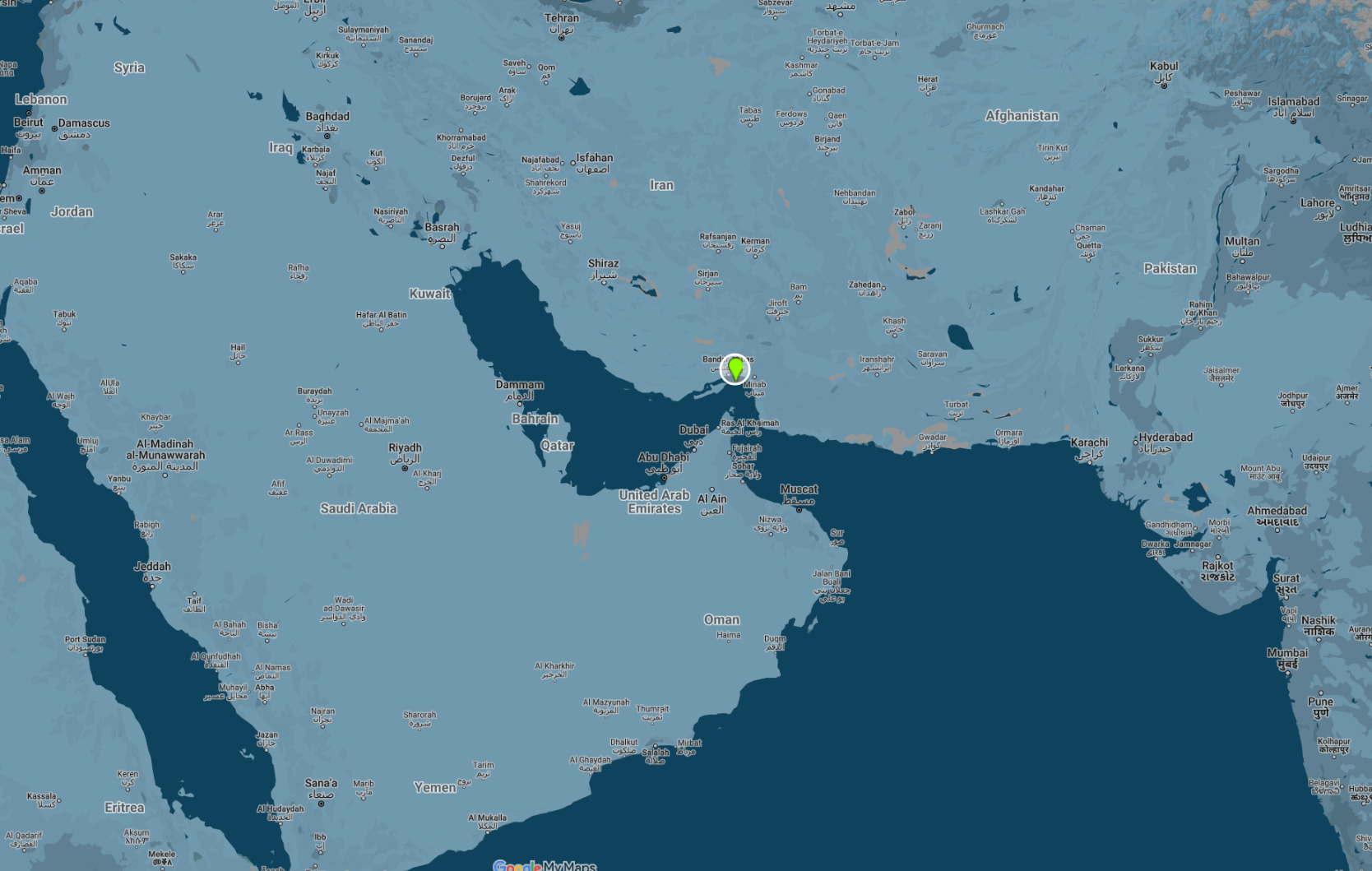
The Strait of Hormuz is roughly 21 miles wide at its narrowest point. About one-fifth of the world’s total oil consumption passes through it daily. On paper, it is a choke point. In reality, it is a political lever that is far more valuable when it is functional than when it is closed.
When Modi and Trump discuss "keeping it open," they are performing for a domestic audience that still thinks in terms of physical scarcity. India imports over 80% of its crude. The U.S., while energy independent in a net sense, still relies on global price stability. But here is the nuance: Iran, the primary "threat" to the strait, needs those waters open more than anyone else. A total blockage is an act of national suicide, not a strategic masterstroke. By obsessing over the physical security of the water, we ignore the much more dangerous shift toward digital and financial interdiction. Related coverage on this trend has been shared by The Guardian.
The Myth of the Physical Blockade
I have spent years watching analysts map out "tanker wars" as if we are still living in 1984. The assumption is that a few sunken VLCCs (Very Large Crude Carriers) would stop the world. It’s a convenient narrative for defense contractors, but it ignores the reality of modern maritime insurance and shadow fleets.
- Insurance is the real choke point: If a conflict breaks out, the Strait doesn't close because of mines; it closes because Lloyd’s of London stops underwriting the hulls. You don't need a navy to stop the oil; you just need a spreadsheet and a hike in premiums.
- The Shadow Fleet: We now have a massive, unregulated "dark fleet" of tankers designed specifically to bypass sanctions and high-risk zones. These ships operate outside the traditional "rules-based order" that Trump and Modi claim to protect. While the leaders talk about formal naval protection, the actual oil is moving via aging rust-buckets with switched-off transponders.
Modi’s concern is valid—India’s inflation is pegged to the pump—but the solution isn't a joint naval patrol. It’s a diversified strategic reserve that most nations are failing to build at scale.
The Irony of American Energy Independence
The most contrarian part of the Trump-Modi dynamic is the U.S. position. Under the current trajectory, the U.S. has less "skin in the game" regarding Hormuz than at any point in history. Why should American taxpayers subsidize the naval security of a waterway that primarily feeds the energy needs of China, India, and Japan?
Trump’s "America First" rhetoric often clashes with this old-guard commitment to global maritime policing. If the U.S. truly wanted to disrupt the status quo, it would hand the bill for Hormuz security directly to the primary consumers. The fact that this hasn't happened proves that these conversations are more about maintaining the petrodollar’s ghost than actual barrels of oil.
Strategic Autonomy or Strategic Anxiety?
India likes to talk about "Strategic Autonomy." Yet, every time there is a tremor in the Persian Gulf, New Delhi looks toward Washington. This is the "Experience Gap." I’ve seen diplomats spend months negotiating bilateral energy deals only to have them rendered useless by a single tweet or a sudden change in Sanctions Policy (OFAC).
If India wants true energy security, it shouldn't be asking for the Strait to stay open; it should be making the Strait irrelevant.
The Failed Logic of "Freedom of Navigation"
The term "Freedom of Navigation" has become a hollow mantra. We use it to justify everything from the South China Sea to the Gulf of Aden. But let's look at the mechanics:
- Naval escorts for tankers are incredibly expensive and largely ineffective against asymmetric threats (drones, fast-attack craft).
- The "consensus" assumes that state actors are the only threat. It ignores the rise of non-state actors who don't care about the phone calls between world leaders.
Imagine a scenario where a swarm of $10,000 loitering munitions disables a $300 million tanker. No amount of "joint commitment" from Modi and Trump prevents that. The technology of disruption has outpaced the diplomacy of protection.
Stop Asking the Wrong Questions
People always ask: "What happens to oil prices if Hormuz closes?"
The better question is: "Why are we still building an economy that relies on a 21-mile wide strip of water controlled by a hostile theocracy?"
The focus on the Strait is a massive distraction from the internal failures of energy policy. India’s push for green hydrogen and EVs is the real "Hormuz strategy," but it’s moving at a glacial pace. Talking to Trump about tankers is easy; reforming a domestic power grid is hard.
The Brutal Reality of the "Special Relationship"
The Trump-Modi chemistry is often cited as the bedrock of this stability. It isn't. It's a transactional alignment. Trump wants India to buy more U.S. shale and weapons; Modi wants to ensure that U.S. sanctions on Iran don't crush the Indian economy. They aren't "discussing importance"; they are haggling over the price of compliance.
The downside to this contrarian view is clear: if you stop pretending the Strait is the center of the universe, you lose the primary justification for massive defense budgets and carrier strike groups. It forces a move toward localized energy production which is painful, expensive, and lacks the glamor of international summits.
The New Map of Power
We are moving into an era of "Splinternets" and "Splinter-markets." The idea of a single, open global commons is dying. China is building pipelines across Central Asia (the Belt and Road) specifically to bypass the Strait of Hormuz and the Malacca Strait. While they build physical bypasses, we are still making phone calls about the old routes.
The status quo is a comfort blanket. It feels good to hear that the world’s most powerful men are "on top of it." But being on top of a sinking ship doesn't change the destination.
Stop watching the tankers. Watch the insurance premiums. Watch the strategic reserve fill rates. Watch the development of trans-continental pipelines that make the Persian Gulf a side-show.
The Strait of Hormuz isn't a door that someone can just lock. It’s a symptom of an outdated energy architecture. If you're betting your business or your country’s future on the "security" provided by a bilateral phone call, you've already lost.
Build a world where it doesn't matter if the Strait is open or closed. That is the only real security.