An 80-year-old man is dead after a taxi struck him in Kwun Tong. This isn't just another headline or a statistic for a government spreadsheet. It’s a loud, violent reminder that Hong Kong’s streets remain a battlefield for the elderly. We see these reports weekly. A professional driver, a moment of distraction, and a family is shattered.
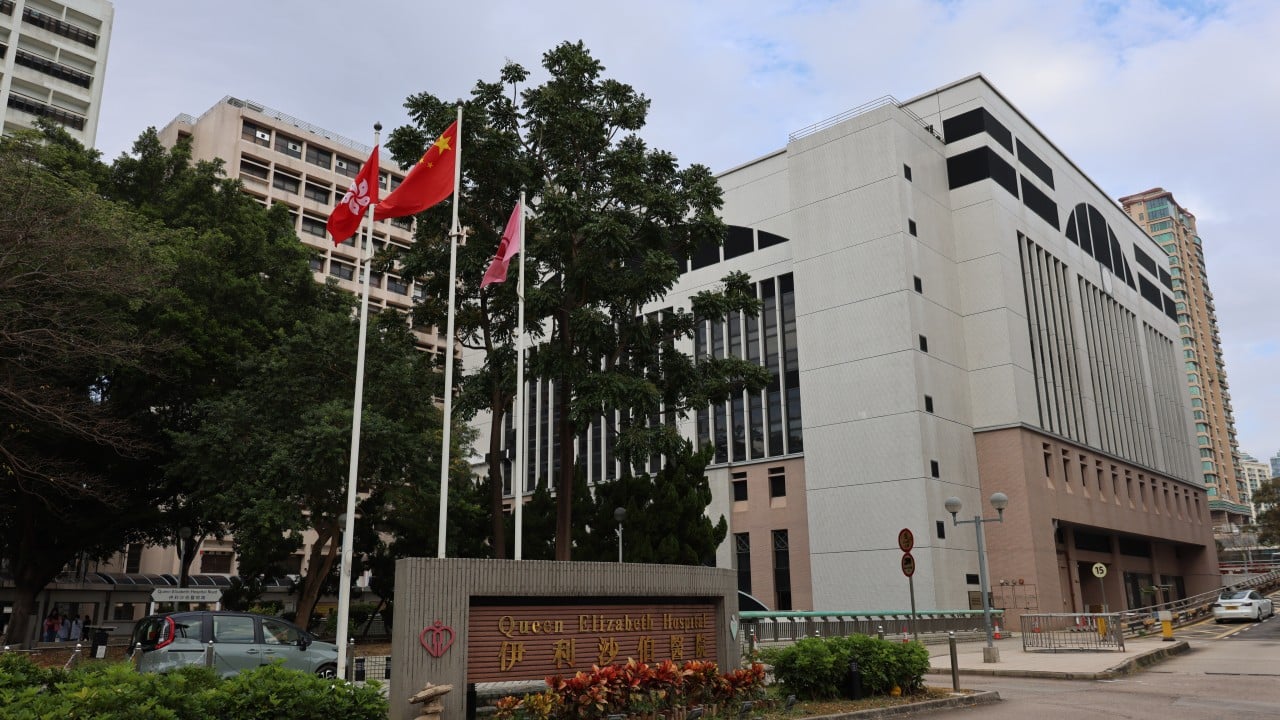
The incident happened on Hip Wo Street. If you know the area, you know it’s a chaotic artery of East Kowloon. It’s packed with minibuses, taxis, and thousands of residents navigating steep slopes and narrow pavements. Around 9:00 AM, the victim was crossing the road near Mut Wah Street when a red taxi hit him. Paramedics rushed him to Queen Elizabeth Hospital, but the injuries were too severe. He was pronounced dead shortly after arrival.
Police arrested the 63-year-old taxi driver on suspicion of dangerous driving causing death. It’s a heavy charge, but it doesn't bring anyone back. This specific stretch of Kwun Tong is notorious for pedestrian-vehicle conflict. You've got high-density housing meeting a major transit hub. It’s a recipe for disaster.
Why Kwun Tong remains a danger zone for seniors
Kwun Tong isn't built for the modern pace of traffic. The district was planned decades ago. Now, it’s one of the most densely populated spots on earth. When you mix elderly residents—who might have slower reaction times or limited mobility—with taxi drivers trying to hit their daily quotas, the margin for error disappears.
Drivers in Hong Kong often treat the city like a giant circuit. Taxis, in particular, are under immense pressure. They pay high shift rents. They need to find the next fare fast. This leads to aggressive acceleration and late braking. On a road like Hip Wo Street, a split-second delay in seeing a pedestrian translates to a fatal impact.
We also have to look at the infrastructure. Are the crossing timers long enough for an 80-year-old? Usually, they aren't. Many seniors find themselves caught in the middle of the road when the light changes. They panic. Drivers, seeing the green light, floor it. It’s a systemic failure, not just an individual one.
The harsh reality of dangerous driving charges
When a driver is arrested for dangerous driving causing death under the Road Traffic Ordinance (Cap. 374), they face serious prison time. We’re talking about a maximum of 10 years and a massive fine. But the legal process is slow. It takes months of forensic reconstruction to prove "dangerous" versus "careless" driving.
The distinction matters. Careless driving is a lapse in attention. Dangerous driving is operating a vehicle in a way that falls far below what’s expected of a competent driver. If the driver was speeding or ignoring a red light, the prosecution has a clear path. If it was a "blind spot" issue, the defense will fight tooth and nail.
Public opinion usually calls for blood immediately. I get it. But the court has to weigh the evidence. Was the pedestrian using a proper crossing? Was the taxi’s braking system functional? These details emerge weeks later, long after the news cycle has moved on to the next tragedy.
Reevaluating taxi driver health and age standards
We can't talk about this without mentioning the age of the drivers. The driver in this case was 63. That’s actually on the younger side for Hong Kong’s taxi fleet. It's common to see drivers in their 70s or even 80s behind the wheel of a public service vehicle.
The Transport Department requires drivers over 70 to provide a medical certificate. But is a once-a-year checkup enough? Reflexes don't just stay sharp because a doctor signed a form. We need more rigorous, frequent testing for commercial licenses.
- Cognitive reaction tests should be mandatory.
- Vision checks need to be more than just reading a chart.
- Mandatory dashcams should be in every cab to monitor driver behavior.
Most drivers are hardworking people. They’re just trying to survive in an expensive city. But when their workplace is a 1.5-ton metal box on a crowded sidewalk, the stakes are too high for "good enough" health standards.
How to stay safe in high-traffic districts
If you're walking in Kwun Tong, Sham Shui Po, or Mong Kok, you have to be paranoid. Don't assume a green man means it's safe to walk. It sounds cynical, but it saves lives. Taxis and buses often "run the orange," entering the intersection just as your light turns green.
Wait two seconds. Look both ways even on one-way streets. Delivery drivers on electric bikes often go the wrong way, adding another layer of risk. For the elderly, the best move is to use footbridges or subways whenever possible, even if it takes five minutes longer. The physical exertion of a few extra steps is nothing compared to the risk of crossing at grade in a high-risk corridor like Hip Wo Street.
The government keeps talking about "Smart City" initiatives. They should start with "Safe City" tech. We need sensors that detect pedestrians and automatically trigger warning lights for drivers. We need speed humps and narrowed lanes in residential pockets. Kwun Tong shouldn't feel like a gauntlet for its oldest residents.
If you witness an accident, stay on the scene. Your testimony as a witness is vital. Many of these cases fail in court because there isn't enough independent evidence to prove the driver’s negligence. Take photos. Note the time. Be the person who helps ensure justice is actually served.
Check on your elderly neighbors and relatives. Remind them of the specific danger spots in their neighborhood. Sometimes, a simple conversation about which intersection to avoid can prevent the next tragedy. Don't wait for the Transport Department to fix the roads—start by being hyper-aware of your own surroundings today.