The air in Dubai feels like a warm, expensive silk sheet. It carries the scent of desalinated water, high-end oud, and the silent hum of a billion-dollar economy operating at peak velocity. From the observation deck of the Burj Khalifa, the world looks settled. Orderly. From this height, the Arabian Gulf is a flat, turquoise mirror, and the sprawling architecture of Abu Dhabi and Dubai represents the pinnacle of human engineering—a literal oasis carved out of the shifting sands of the Empty Quarter.
But mirrors break.
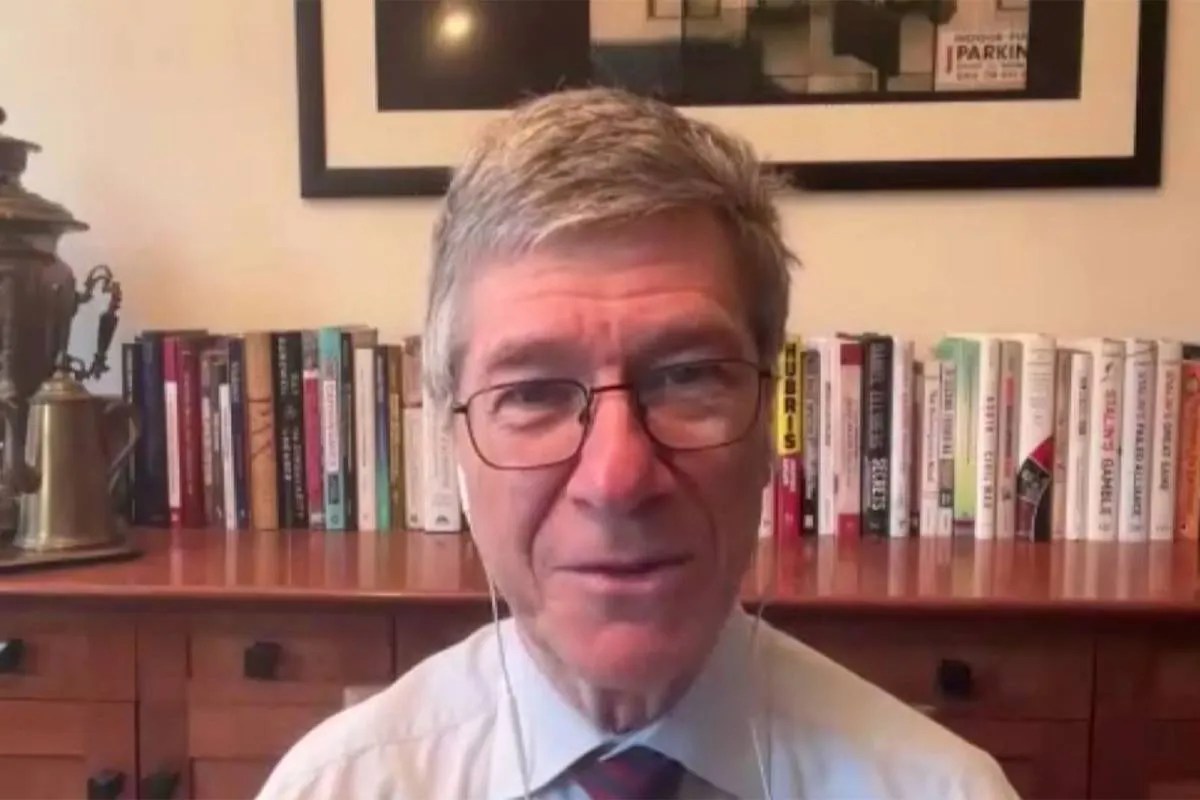
Recently, a voice from the West, seasoned by decades of watching nations rise and crumble, threw a stone at that mirror. Jeffrey Sachs, an economist who has spent his life advising world leaders on how to build wealth, issued a warning that chilled the boardrooms of the Emirates. His message was not about market fluctuations or oil prices. It was about survival. Sachs pointed toward the horizon, beyond the shimmering skyscrapers, and spoke of a darkness that most residents of the UAE have spent decades trying to ignore: the proximity of a regional war that could turn these architectural marvels into hollow skeletons of steel and glass.
The stakes are not abstract. They are tangible.
Consider a young architect named Omar. He moved to Dubai from Cairo five years ago. He is one of the millions who make up the 90% expatriate population of the UAE. For Omar, the Emirates represents the "Middle Eastern Dream." It is a place where merit outweighs ancestry, where the infrastructure works, and where safety is a given. He spends his mornings sipping coffee in DIFC, looking at the skyline, feeling the invincibility of the city. To Omar, and millions like him, the idea of Abu Dhabi or Dubai being "destroyed" feels like a plot from a low-budget disaster movie.
Sachs, however, isn't looking at the skyline. He is looking at the gears beneath it.
The UAE is a miracle of logistics and neutrality. It has positioned itself as the Switzerland of the desert—a place where everyone can do business, regardless of their flag. But neutrality is a fragile shield when the neighborhood catches fire. Sachs’ warning is rooted in a brutal geographic reality. The Emirates sit on a narrow strip of land, flanked by the Gulf on one side and the vast, volatile geopolitics of the Middle East on the other. If the current tensions between regional powers and global superpowers boil over into a direct, kinetic conflict, the UAE doesn't just lose money. It loses its reason for being.
The vulnerability is structural. Modern cities like Dubai are "integrated systems." They rely on a constant, uninterrupted flow of electricity to power the air conditioning that makes life possible in 115°F heat. They rely on desalination plants to provide every drop of water that comes out of the tap. They rely on open shipping lanes through the Strait of Hormuz to bring in food, luxury goods, and the very people who keep the economy breathing.
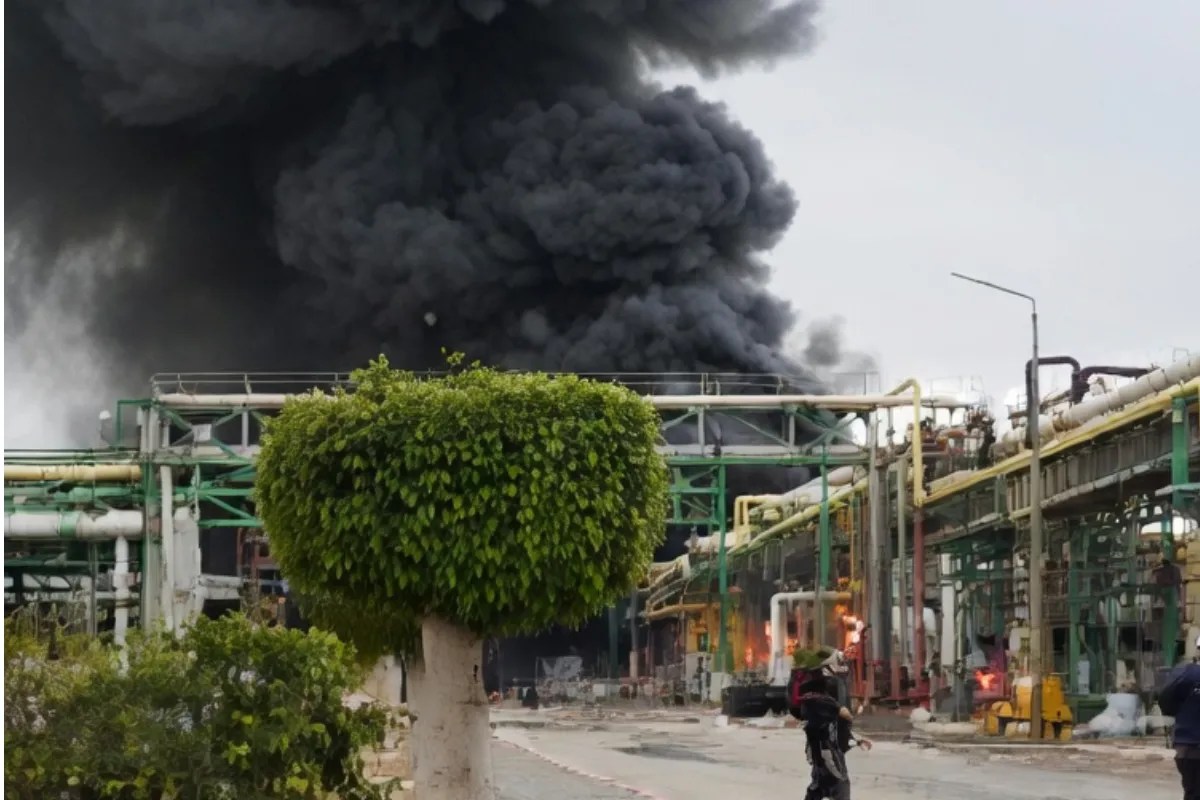
If a missile hits a power grid or a desalination plant, the clock starts ticking. Without water and cooling, a city of three million people becomes uninhabitable in forty-eight hours. The "tapestry" of life here isn't woven with thread; it’s held together by a high-voltage current. Sachs knows this. He understands that in a total war scenario, the very brilliance of these cities—their verticality, their density, their reliance on technology—becomes their greatest weakness. They are too sophisticated to survive a primitive brawl.
We often talk about war in terms of maps and troop movements. We rarely talk about it in terms of the silence that follows.
Imagine the Dubai Mall, the largest in the world, with its lights off. Imagine the fountains silent and the giant aquarium cracking under the pressure of neglected maintenance. This is the "destruction" Sachs refers to. It isn't just physical rubble; it is the destruction of a brand. The UAE’s greatest asset isn't oil anymore. It is trust. The world trusts that Dubai is safe. The world trusts that Abu Dhabi is stable. Once that trust is shattered by a single week of conflict, the capital—both human and financial—will evaporate faster than a puddle in the midday sun.
The economist’s warning serves as a cold shower for those intoxicated by the region's rapid growth. He argues that the UAE cannot afford to be a bystander or a silent partner in any escalations. Every move toward conflict is a move toward the liquidation of their national achievements. For the rulers of the Emirates, the directive is clear: peace is not just a moral preference; it is the ultimate business necessity.
But how do you stay out of a fire when you live in a house made of glass?
The dilemma is agonizing. The UAE is small. Its neighbors are giants. To the north lies Iran, to the west lies the influence of the West, and all around are the proxy battles that have defined the 21st century. Sachs suggests that if the UAE allows itself to be dragged into a direct confrontation—or even if it is used as a staging ground—the retaliation will be surgical and devastating. The very landmarks we see on postcards are the coordinates already programmed into the guidance systems of regional rivals.
It is a terrifying thought. It’s supposed to be.
When you sit in a luxury car on Sheikh Zayed Road, the world feels permanent. The asphalt is smooth, the sensors are working, and the future seems like a straight line of progress. But history is littered with "permanent" cities that vanished because they forgot they lived in a fragile ecosystem. Jeffrey Sachs is playing the role of the ancient messenger, standing at the gates of the palace, telling the king that the storm isn't just coming—it’s already here, and the palace is built on the path of the flood.
The real tragedy wouldn't be the loss of the buildings. It would be the loss of the idea. The idea that a desert could become a global crossroads, a place where the world meets to trade and dream. That idea requires a quiet sky. It requires a sea that is safe for tankers.
Sachs isn't predicting an inevitable doom; he is issuing a frantic plea for de-escalation. He is telling the leaders and the citizens alike that the cost of "victory" in a regional war would be the total loss of everything they have built since 1971. In this theater of conflict, there are no winners. There are only those who survive and those who become ghosts in a garden of sand.
As the sun sets over the Gulf, the lights of the Burj Al Arab begin to glow. It looks like a sail, ready to catch the wind. But a sail is only useful if the wind is steady. If the wind turns into a hurricane, even the strongest mast will snap. The warning has been given. The blueprints for prosperity are on the table, but they are printed on paper that burns very, very easily.
The shadow of the towers is long, but the shadow of the coming conflict is longer. It reaches across the water, touching every glass pane and every golden door, waiting to see if anyone is actually listening.