The latest health data shows a shift we've waited years to see. For the first time in a long stretch, the total number of meningitis cases has actually dropped. It looks like a win on paper. If you just glance at the headlines, you might think the threat is fading into the rearview mirror. But that's a dangerous way to read the room. Public health isn't a straight line. It's a constant tug-of-war between medical breakthroughs and a bacteria that doesn't care about our statistics.
Meningitis is a brutal, fast-moving inflammation of the membranes protecting your brain and spinal cord. It can kill a healthy person in under 24 hours. Even when it doesn't kill, it often leaves a trail of limb amputations, hearing loss, and permanent brain damage. So, while a dip in cases is objectively good news, it’s usually the moment when people stop booking their vaccine appointments. That’s exactly when the next spike starts brewing.
The reality is that these numbers are falling because of very specific, high-effort interventions. We’re seeing the payoff of massive immunization campaigns and better diagnostic tech. But if we mistake a temporary trend for a permanent victory, we’re essentially inviting the bacteria back to the party.
The Reality Behind the Falling Case Numbers
The drop isn't magic. It's the result of the MenB and MenACWY vaccines doing the heavy lifting they were designed for. In the UK, for example, the introduction of the MenB vaccine for infants in 2015 was a massive turning point. Before that, Group B was the monster under the bed for every parent. Now, we see the data reflecting that shield.
Data from the UK Health Security Agency (UKHSA) and the Meningitis Research Foundation suggests that while the raw count is down, the "swings" in different strains are getting more unpredictable. You might see a massive drop in one type of the disease while another starts to creep up in a specific age group. For instance, teenagers and university students remain a high-risk bubble because of how they live—crammed into dorms, sharing drinks, and generally being in close quarters.
When the numbers fall, the public perception of risk falls even faster. I’ve seen this pattern before with other preventable diseases. People see a "downward trend" and suddenly that booster shot for their college-bound kid doesn't seem so urgent. That’s a mistake. The bacteria, specifically Neisseria meningitidis, is still carried in the back of the throats of about one in ten people. It’s waiting for a gap in the herd immunity.
Why Some Groups Are Still Sitting Ducks
Even with the overall decline, some demographics are seeing a stubborn persistence of the disease. It’s not an even split across the population. Infants remain the most vulnerable because their immune systems are essentially blank slates. But the second peak happens in late adolescence.
If you're a parent of a 17-year-old, the "falling numbers" in a national report shouldn't make you feel safe. Students are often the primary carriers of the bacteria. They move it from one city to another, from one social circle to the next. They might not even get sick themselves, but they can pass it to a younger sibling or an older relative with a weaker immune system.
We also have to look at the "hidden" cases. During the heights of the COVID-19 pandemic, meningitis cases plummeted. Why? Because we weren't breathing on each other. Social distancing was the ultimate barrier. As we returned to "normal" life, cases naturally started to tick back up. The recent "fall" in numbers is actually a stabilization after that post-lockdown surge. It’s less about the disease disappearing and more about the world returning to a predictable baseline.
Symptoms That Everyone Ignores Until It’s Too Late
The biggest problem with meningitis isn't the bacteria itself. It's that it looks like a common flu for the first few hours. You get a headache. You feel a bit feverish. You think you just need a nap and some ibuprofen. By the time the "classic" symptoms show up, the clock is already running out.
Don't wait for the rash. Everyone talks about the "glass test" where you press a glass against a purple rash to see if it fades. If that rash exists and doesn't fade, you're already in a late-stage emergency. You should be looking for:
- Extreme sensitivity to light (photophobia).
- A stiff neck that makes it hard to touch your chin to your chest.
- Confusion or sudden irritability.
- Cold hands and feet, even if the person has a high fever.
- Severe muscle pain or "aching bones."
I’ve talked to survivors who said the muscle pain felt like being hit by a truck. It wasn't just a "body ache." It was an agonizing, deep-seated pain that felt wrong. If someone looks "off" and has a high fever that isn't responding to meds, you go to the ER. You don't wait for the morning. Doctors would much rather send you home with a "it's just a cold" than try to save someone who arrived four hours too late.
The Vaccine Gap We Aren't Talking About
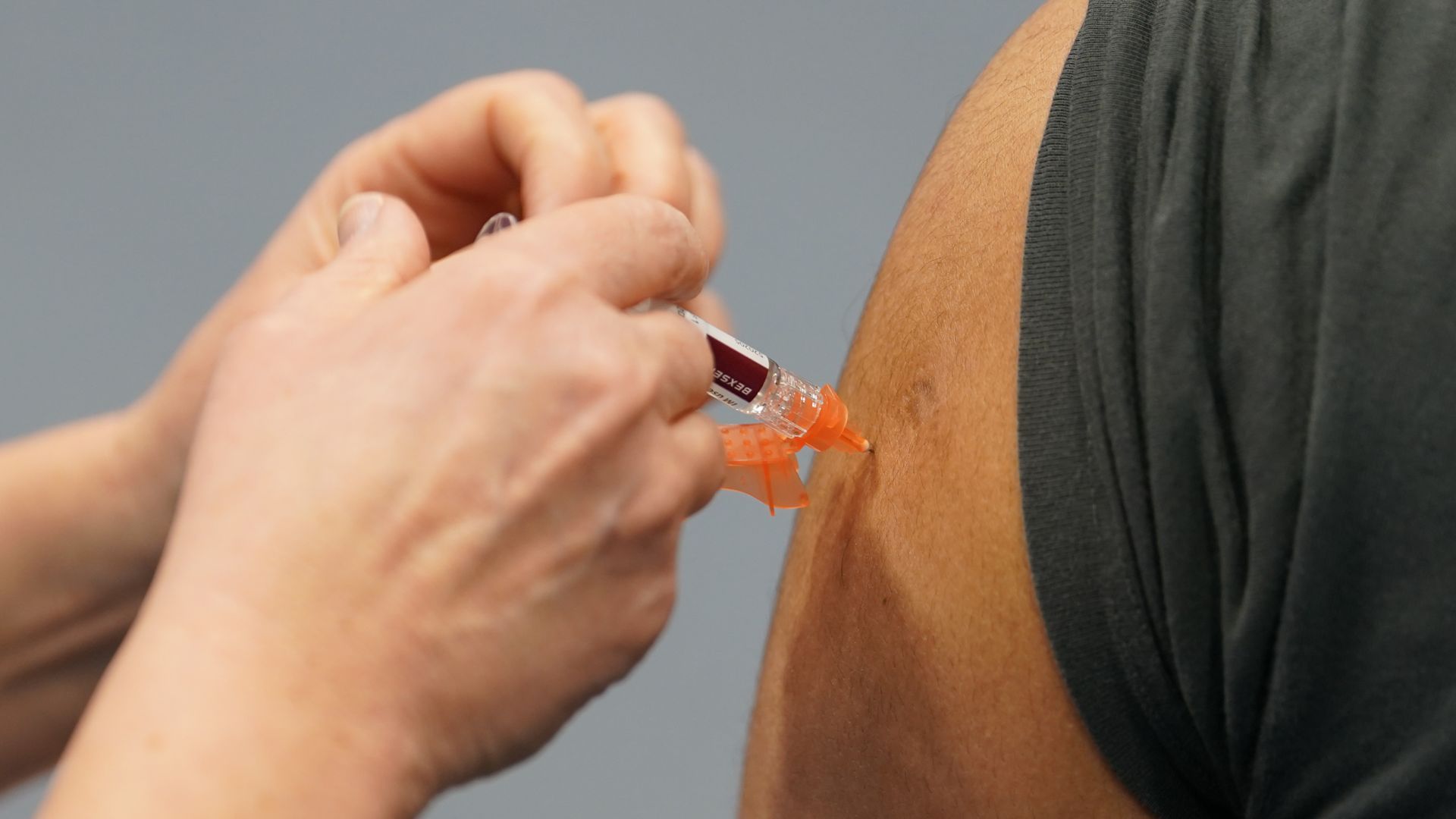
We have incredible vaccines, but they aren't a single "meningitis shot." This is where the confusion kills. You have the MenACWY vaccine, which covers four strains. Then you have the MenB vaccine, which is separate. In many regions, the MenB shot isn't part of the routine adolescent schedule—it’s often an "opt-in" or specifically for infants.
This creates a gap. A student might be "up to date" on their school vaccines but still be completely unprotected against the B strain, which is often the most prevalent in certain areas. You need to check the records. Don't assume that because a kid had shots at age 11, they’re covered for everything at age 18.
The decline in cases is a testament to what happens when we get the science right. But look at the history of public health. Whenever we let our guard down because the "numbers look good," we get hit. Smallpox took centuries to kill off. Polio is still clinging on in corners of the globe. Meningitis is even trickier because the bacteria lives among us naturally.
How to Handle the Risk Right Now
If you’re looking at the data and wondering what your actual risk is, stop looking at national averages. They don't apply to your specific house. Risk is local. It’s about who you’ve been around and whether your internal "armor" is updated.
First, pull your immunization records. Don't guess. Call your GP and ask specifically if you or your children have had both the ACWY and the B vaccines. If the answer is "I think so," the answer is actually "No."
Second, keep an eye on local health alerts. Public health departments usually flag "clusters." A cluster in a nearby town or school district is a much bigger deal than a national downward trend.
Third, trust your gut. If your child or a friend is acting strangely, can’t look at a bright screen, and complains of a neck so stiff they can't move, get to a hospital. Speed is the only thing that beats meningitis.
The drop in cases is a sign that the strategy is working, not that the war is over. We’re winning some battles, but the bacteria is still out there, looking for an opening. Don't give it one.
Check your vaccine status today. If you're heading to university or have a child who is, make sure the MenB and MenACWY shots are on the checklist right next to the extra-long twin sheets and the laptop. It’s the only way to make sure these "falling numbers" actually stay down.