In a quiet neighborhood in Tehran, a mother named Samira watches her son sleep. She isn’t thinking about geopolitics or the price of crude oil. She is thinking about the electricity that keeps the fan spinning above his bed, the clean water in the kitchen tap, and the digital signal that lets her call her sister across the city. To Samira, these are the invisible threads of a modern life. To a military strategist thousands of miles away, these are "targets."
When a leader mentions "the Stone Age," they aren't just using a colorful metaphor. They are describing the systematic erasure of every convenience, safety, and hygiene standard the human race has spent ten thousand years building. It is a threat that bypasses the soldier in the trench and aims directly at the child in the crib.
The Ghost of 1965
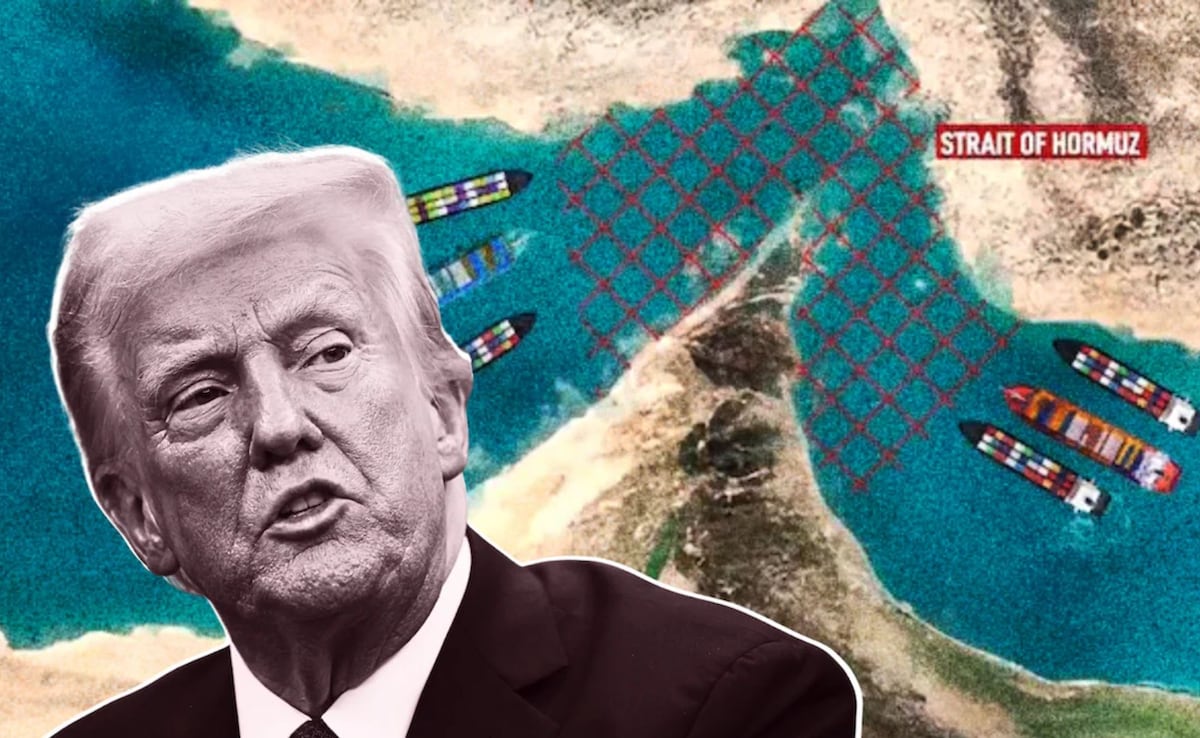
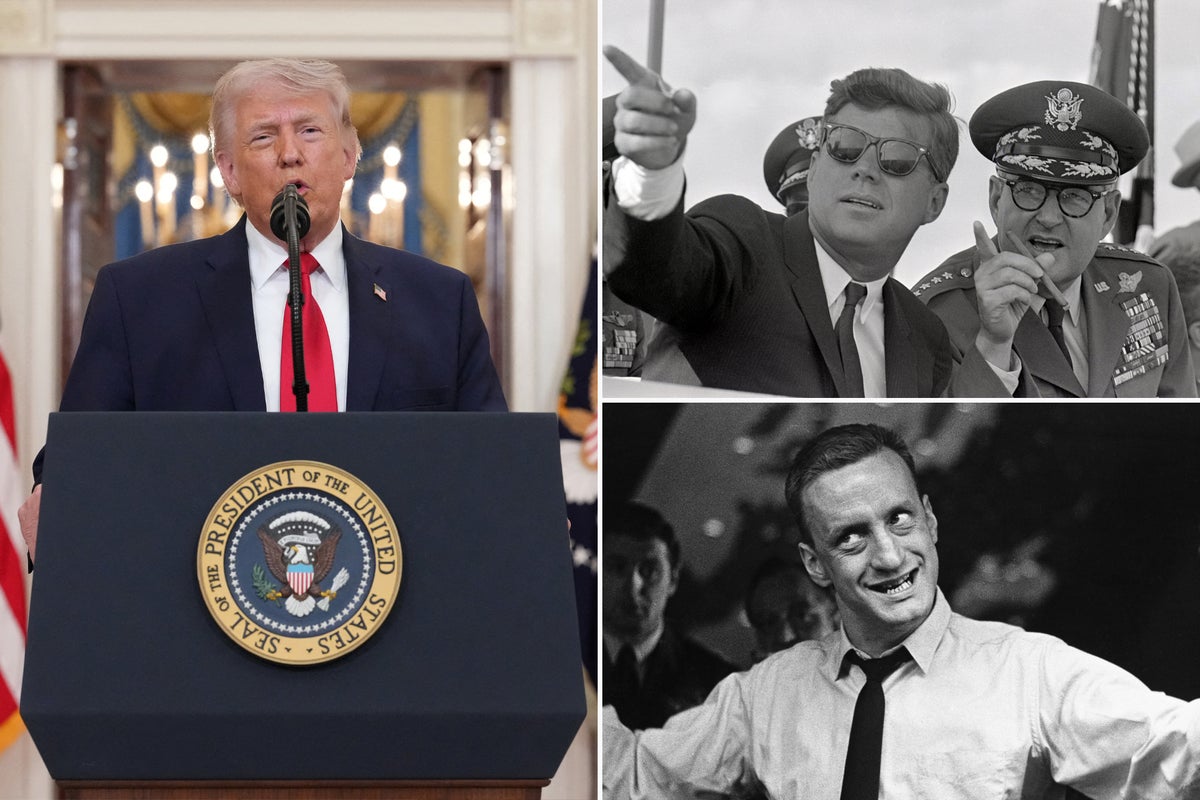
The phrase carries a chilling pedigree. To understand the weight of Donald Trump’s recent rhetoric regarding Iran, we have to look back to a humid afternoon in the mid-1960s. Air Force General Curtis LeMay, a man whose face seemed permanently etched into a scowl, famously declared that the North Vietnamese should "bomb them back into the Stone Age."
LeMay wasn't a man of nuance. He saw the world as a series of problems that could be solved with enough high explosives. His philosophy was simple: if a nation refuses to bend to your will, strip away their civilization until they have nothing left but the dirt beneath their feet. It was a strategy designed to break the spirit by breaking the infrastructure.
But history has a way of complicating simple plans. The "Stone Age" threat didn't win the Vietnam War. It did, however, create a legacy of resentment and devastation that lingered for decades. When the same language resurfaces today, it isn't just a tough-guy posture. It is a signal that the rules of engagement are shifting from "defeat the enemy" to "dismantle the society."
The Anatomy of a Threat
Think about what happens when the lights go out. Not for an hour, or a day, but for good.
In the first forty-eight hours, the grocery stores empty. Refrigeration fails. The food that kept a city fed begins to rot. By the end of the first week, the water treatment plants stop functioning. To understand the stakes, we must look at the math of human survival. Without clean water, diseases like cholera, which we relegated to history books, return with a vengeance.
Consider a hypothetical hospital in a targeted region. The backup generators have run out of fuel because the supply lines are severed. The monitors go dark. The ventilators stop. In this scenario, the "Stone Age" isn't a pre-historic era of cave paintings and mammoth hunts; it is a modern hell where the tools of life are present but useless.
This is the invisible reality of the threat. It sounds like strength on a debate stage or in a social media post. It feels like a quick fix to a complex diplomatic puzzle. But for the person on the ground, it is the promise of a slow, agonizing regression.
The Psychology of the Brink
Why does this rhetoric return? It returns because it is effective at tapping into our most primal fears.
Fear is a powerful currency in international relations. By invoking the total destruction of a nation's way of life, a leader attempts to bypass the rational mind of their opponent and speak directly to their survival instinct. It is the ultimate leverage.
The problem with "Stone Age" rhetoric is that it leaves no room for the opponent to save face. If you tell a nation you are going to destroy their entire civilization, you give them a binary choice: total surrender or total resistance. History suggests that when backed into a corner, most human beings choose the latter.
We often treat these declarations as if they are part of a game. We analyze the poll numbers and the political optics. We debate whether the speaker "really means it" or if it’s just tactical hyperbole. But words have a shelf life. Once the threat is uttered, it exists in the world as a possibility. It changes how a mother in Tehran looks at her son. It changes how a general in a bunker calculates his next move.
The Fragility of the Modern World
We live in an era of unprecedented connectivity. Our lives are supported by a complex web of fiber-optic cables, power grids, and global supply chains. This makes us incredibly prosperous, but it also makes us incredibly fragile.
In the 1960s, "bombing back to the Stone Age" meant hitting bridges and factories. Today, it means hitting the servers and the satellites. If you knock out the digital infrastructure of a modern nation, you don't just stop their army; you stop their ability to buy food, access their money, or communicate with their neighbors.
The distance between the 21st century and the Stone Age is much shorter than we like to admit. It is exactly as wide as the gap between a functioning power grid and a dead one.
The Weight of History
When we hear these echoes of the Vietnam era, we are forced to confront a difficult truth. We are still using the language of the mid-20th century to navigate the complexities of the 21st. The world has changed. The weapons are more precise, the economies are more integrated, and the human cost of a total war is exponentially higher.
Yet, the impulse remains the same. The desire to find a "reset button" that can solve a diplomatic stalemate through sheer force is a recurring theme in human history. It is a seductive idea because it promises a definitive end. But as we learned in the jungles of Southeast Asia, there are no clean resets. There are only long shadows.
Consider the ripple effect. If one nation is pushed back to the Stone Age, the shockwaves don't stop at the border. The global economy is a single organism. A collapse in one region triggers a fever in another. The refugee crises, the lost markets, and the generational trauma ensure that the "victory" is a pyrrhic one.
The Human Core
Samira in Tehran still doesn't care about General LeMay. She doesn't care about the historical parallels or the strategic theories of the American presidency. She cares about the fact that her world feels a little more precarious today than it did yesterday.
She represents the millions of people who live in the crosshairs of grand rhetoric. They are the collateral of the "Stone Age" threat. When we talk about these conflicts, we owe it to ourselves to look past the maps and the missiles. We have to look at the people who will have to live in the wreckage if the threats ever become reality.
The rhetoric of total destruction is a blunt instrument in a world that requires a scalpel. It is an old ghost, conjured from a time of deep failure, brought back to haunt a new generation. We listen to the echoes not because they provide a solution, but because they serve as a warning.
The Stone Age wasn't a choice; it was a starting point. To threaten to return a society there is to suggest that everything we have built together—art, science, medicine, and community—is ultimately disposable.
It is a high-stakes gamble with someone else's life.
The fan continues to spin over the sleeping child. For now.