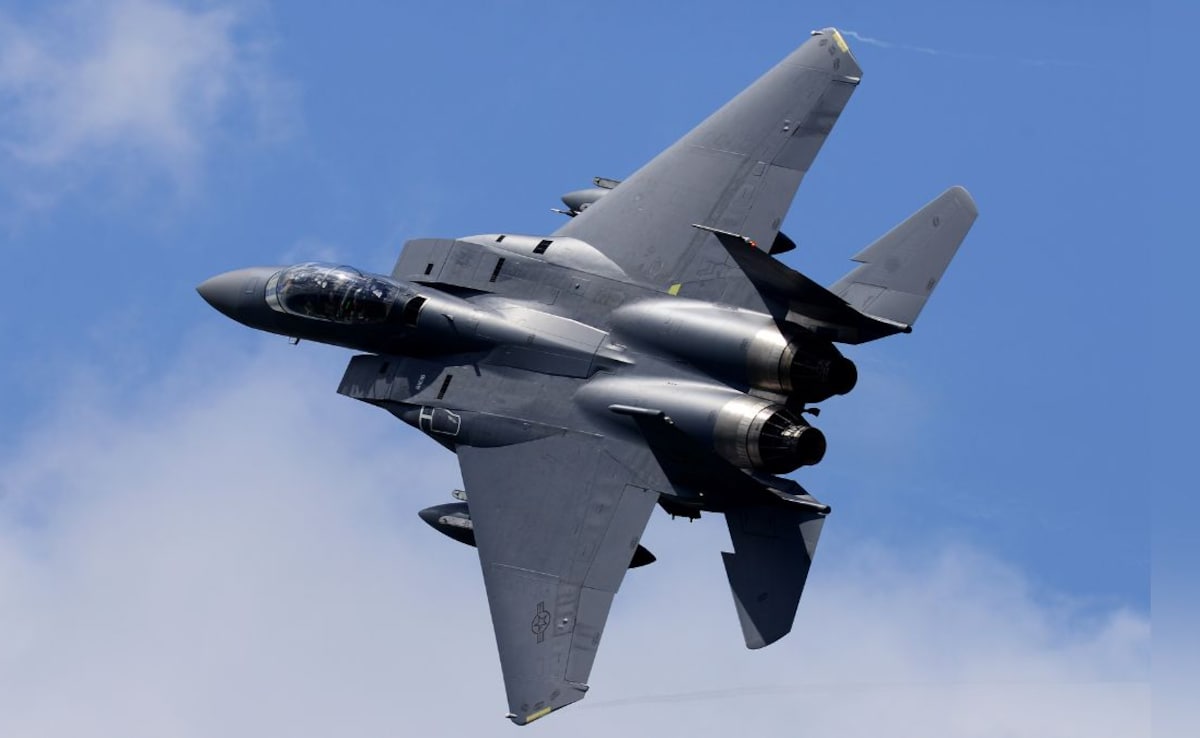
The media loves a tear-jerker. It’s the easiest way to generate clicks without having to explain the brutal, cold-blooded mechanics of international relations. We’ve all seen the headlines: a mother pleads for her missing pilot son, and an Iranian official responds with a chilling, viral warning that her children are "more in danger" under a Trump administration.
The "lazy consensus" here is easy to spot. The Western press frames this as a simple story of a heartless regime bullying a grieving mother. They want you to feel outraged. They want you to view this through the lens of individual tragedy. But that perspective is a trap. It’s an emotional smokescreen that hides the real, uncomfortable truth: in the high-stakes chess match between Washington and Tehran, individuals are nothing more than rounding errors.
The Iranian response wasn't an "attack" on a mother. It was a calculated, albeit crude, psychological operation designed to exploit the domestic polarization of the United States. If you’re looking for empathy in a diplomatic standoff involving nuclear enrichment and regional hegemony, you’re looking for a unicorn in a slaughterhouse.
The Myth of the "Safe" Presidency
The competitor’s narrative hinges on the idea that one specific American leader makes the world "safer" or "more dangerous" for service members. This is a fundamental misunderstanding of how geopolitical inertia works.
The United States military doesn't change its global footprint based on a vibe shift in the Oval Office. Whether it’s Trump’s "Maximum Pressure" or the Biden-Harris "Strategic Patience," the structural friction between the US and Iran remains a constant. To suggest that a pilot’s life is uniquely at risk because of a specific Commander-in-Chief ignores the reality that the mission—and the inherent risks—are dictated by decades of policy, not four-year election cycles.
Iran knows this. When their officials target American families with rhetoric, they aren't offering a critique of foreign policy; they are weaponizing American anxiety. They know that in a hyper-partisan environment, half the country will use their words to blame the incumbent, and the other half will use them to fear the challenger.
Sovereignty Doesn't Care About Your Feelings
We need to stop pretending that international relations follow the rules of a suburban HOA. When a pilot goes missing or a soldier is captured, the immediate instinct of the public is to demand "answers" and "accountability." But from the perspective of a hostile foreign power, a missing American asset is a bargaining chip, not a human being.
I have spent years watching bureaucrats navigate these crises. I’ve seen the "battle scars" of families who think their personal outreach to foreign embassies will move the needle. It won't. In fact, it often makes things worse. By elevating a specific case into the national spotlight, the family inadvertently increases the "ransom" price of the individual.
The Iranian official’s comment—suggesting that a Trump return would increase the danger—is a classic move from the "Art of War" playbook. It’s meant to create internal friction. If they can get Americans arguing about whose fault it is that a son is missing, they’ve already won the psychological round.
The Hard Truth About Risks and Rewards
Let’s dismantle the premise that any administration can guarantee the safety of those operating in contested airspace.
- Risk is Non-Linear: A single drone strike or a misidentified radar blip can spark a conflict regardless of who is in the White House.
- Proxies Don't Follow Orders: Much of the danger to US personnel comes from groups like Hezbollah or Kata'ib Hezbollah. These groups have their own agendas. To blame or credit a US President for their actions is to give the President too much credit and the proxies too little.
- The Logistics of Hostage Diplomacy: Iran has a long history of using "wrongfully detained" individuals as leverage for frozen assets or sanctions relief. This isn't a "Trump problem" or a "Biden problem." It’s an Iranian state strategy that dates back to 1979.
The Logic of the Adversary
To understand why Iran would say something so seemingly "cruel" to a mother, you have to stop thinking like a Western consumer of news and start thinking like a survivalist regime.
Iran is currently boxed in by economic sanctions and internal dissent. Their only currency on the world stage is disruption. By inserting themselves into the US election narrative, they are attempting to exert influence where they have none: at the American ballot box.
The official’s statement wasn't a warning; it was an endorsement of chaos. They want the American public to believe that their choices have dire, personal consequences for the men and women in uniform. It’s a way of holding the American voter hostage.
Stop Asking the Wrong Questions
People often ask: "How can we get our people back?" or "Who will keep our troops safest?"
These are the wrong questions because they assume that safety is the primary objective of a superpower. It isn't. The primary objective is the maintenance of global influence and the denial of that influence to rivals. Safety is a secondary concern, often sacrificed for "strategic interests."
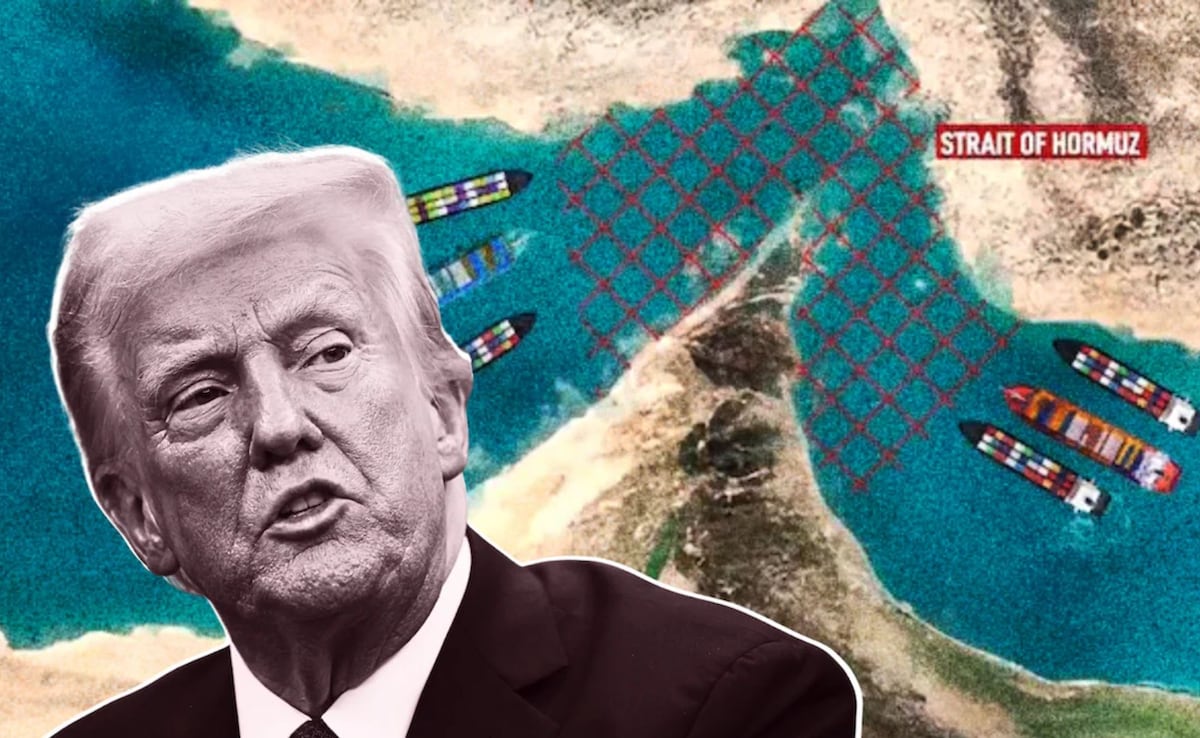
If you want to know the "controversial truth," here it is: the safety of a single pilot is never going to outweigh the strategic goal of preventing Iran from obtaining a nuclear weapon or maintaining the flow of oil through the Strait of Hormuz. No President will tell you that to your face, but their budgets and their deployment orders say it every single day.
The Cost of the Counter-Intuitive Approach
My stance is cold. It lacks the "human interest" element that makes for a good segment on evening news. The downside of looking at the world this way is that it strips away the comfort of believing that our leaders can—or even want to—protect every individual.
But the upside is clarity. When you stop viewing these interactions as "insults" or "tragedies" and start viewing them as tactical maneuvers, you stop being a pawn in someone else's PR game.
Iran’s rhetoric isn't about a missing son. It’s about you. It’s about your fear, your vote, and your willingness to let emotion override strategy.
The Mechanics of Manipulation
Consider the sequence:
- A mother expresses a personal fear.
- A state-controlled mouthpiece responds with a political threat.
- The media amplifies the threat as a "warning."
- The public reacts with partisan outrage.
This is a closed-loop system designed to produce maximum noise and minimum understanding. To break the loop, you have to ignore the "danger" warnings and look at the "leverage" being sought. Iran isn't worried about the safety of American sons. They are worried about the longevity of their own regime. Everything they say is filtered through that single, desperate lens.
The next time you see a headline where a hostile power "warns" an American citizen about their political choices, remember that you are being recruited into a theater of the absurd. The danger isn't in the rhetoric; the danger is in believing that the rhetoric is about anything other than the survival of the people speaking it.
Stop looking for empathy from your enemies and stop expecting your government to treat foreign policy like a rescue mission.
The mission is power. Always has been. Always will be.