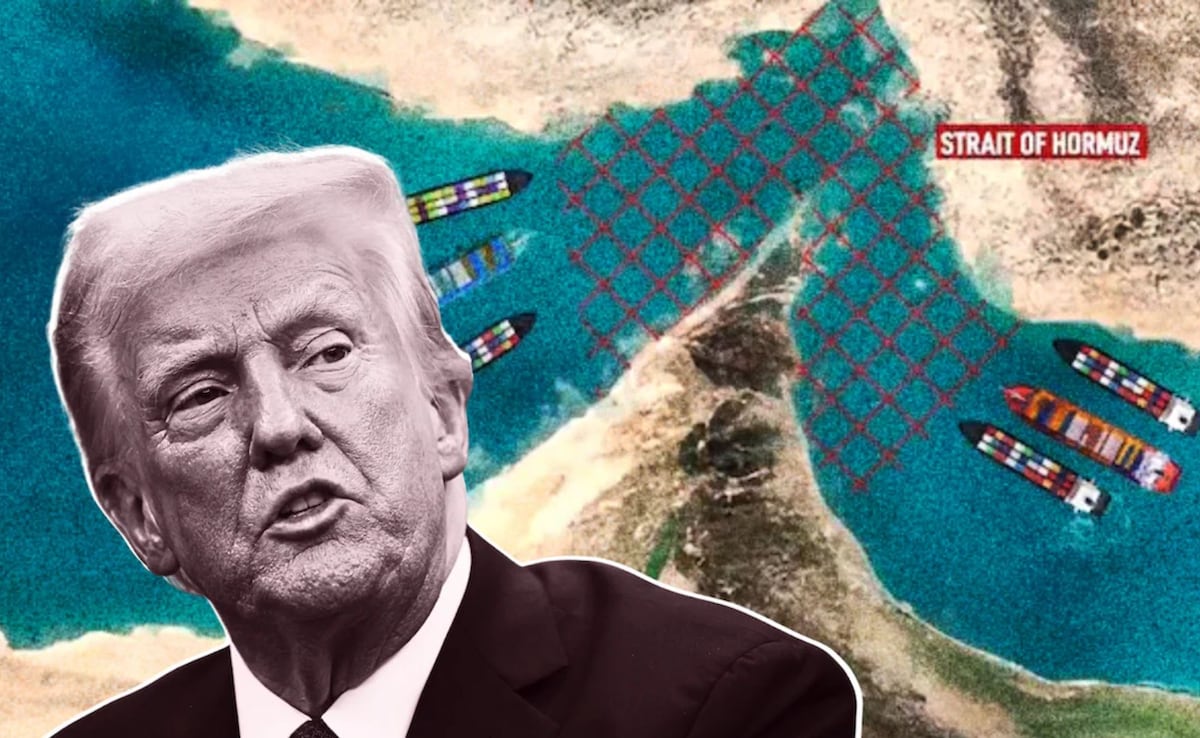
Donald Trump has issued a final 48-hour countdown for Tehran to reopen the Strait of Hormuz or face "all hell," specifically threatening to systematically dismantle Iran’s civilian power grid. This Saturday ultimatum, delivered via Truth Social, sets a hard expiration for 8:00 PM Monday, April 6, 2026. The demand is simple: Iran must immediately cease its maritime blockade and agree to a comprehensive new "deal," or the United States will shift its targeting from military assets to the infrastructure that keeps the lights on for 85 million people.
This is not merely a rhetorical escalation; it is a pivot toward a total-war economic strategy. For six weeks, Operation Epic Fury has battered Iranian air defenses and nuclear sites. Now, the White House is betting that the threat of a darkened nation will force a collapse in Iranian resolve where months of airstrikes failed.
The Strategy of the Grid
The centerpiece of this ultimatum is the threat to "obliterate" Iran’s power generation facilities, starting with its largest plants. By targeting the electricity sector, the administration aims to bypass the tactical stalemate in the Strait.
Military analysts suggest that a strike on the power grid serves three distinct purposes:
- Domestic Pressure: Cutting power halts water treatment, hospital operations, and basic refrigeration, potentially turning public frustration against the regime.
- Industrial Paralysis: Iran’s remaining manufacturing and drone production capabilities require stable, high-voltage input.
- Negotiation Leverage: By setting a short, 48-hour window, Trump is attempting to induce a "shock" response from Iranian leadership before they can further entrench their coastal defenses.
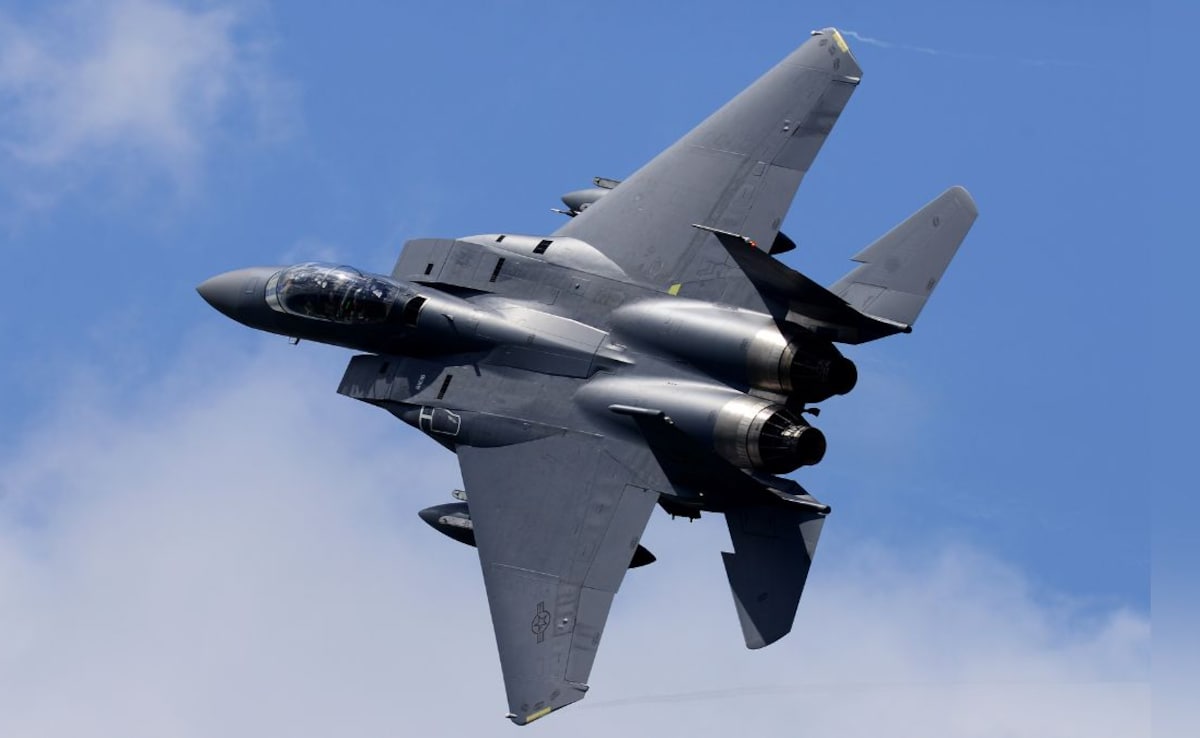
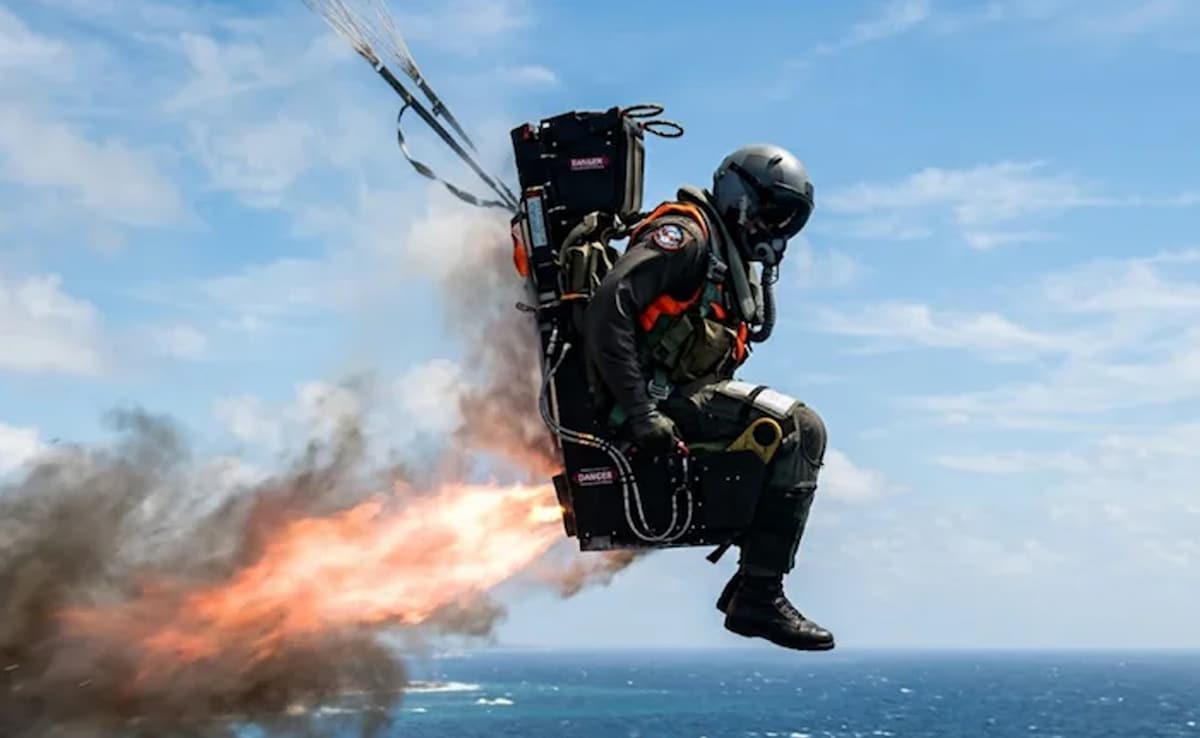
While the President claims the U.S. has "completely decimated" Iran’s military, the reality on the ground is more complex. Iranian forces proved they still possess teeth on Friday, downing an American F-15 fighter jet and an A-10 attack aircraft. The search for a missing crew member continues in Iranian territory, a crisis that has only hardened the President’s stance.
The Global Chokepoint Crisis
The Strait of Hormuz is the world’s most sensitive energy artery. Roughly 20% of global oil and gas passes through this narrow passage. Since the conflict ignited on February 28, following the strike that killed Supreme Leader Ali Khamenei, the waterway has been effectively paralyzed.
The economic fallout is no longer a theoretical projection; it is a daily reality for the global market.
- Oil Volatility: Crude prices have spiked by double-digit percentages, adding more than 50 cents to the price of a gallon of gasoline in the United States.
- Force Majeure: Major producers including Qatar, Kuwait, and the UAE have been forced to cut production or declare force majeure because tankers simply cannot reach their terminals.
- Shipping Exodus: Giants like Maersk and Hapag-Lloyd have rerouted vessels around the Cape of Good Hope, adding weeks to transit times and ballooning insurance premiums.
Trump has publicly oscillated between two contradictory positions: that the U.S. "doesn't need" the Strait because of its own domestic energy boom, and that the U.S. should "take the oil and make a fortune." This inconsistency creates a fog of war that leaves allies in the Gulf and partners in Asia—who rely on the Strait for nearly half of their energy imports—deeply unsettled.
The Humanitarian and Legal Shadow
The threat to civilian infrastructure has already drawn sharp rebukes from international legal experts. Deliberate attacks on a nation's power grid, which is inextricably linked to the survival of the civilian population, occupy a dark gray area in the laws of armed conflict.
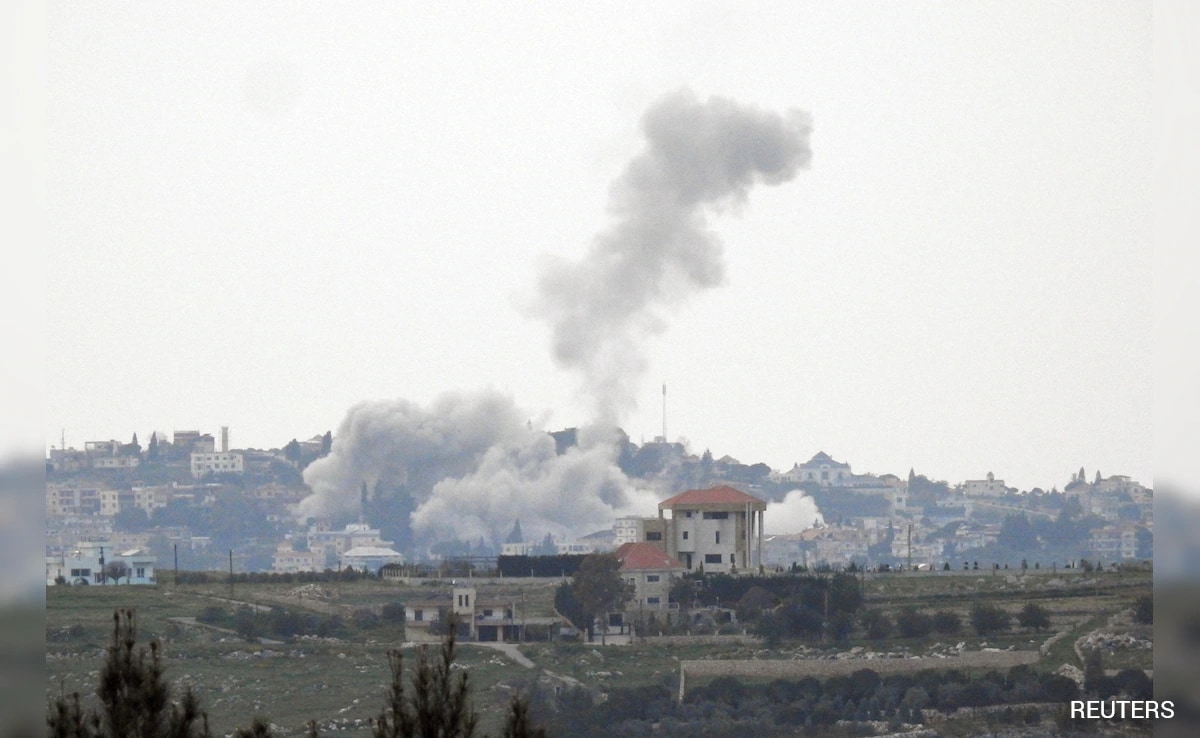
In Tehran, the atmosphere is one of fractured endurance. Reports from within the capital describe a city under a "thick haze of smoke" from previous strikes. The population is reportedly split: some hope for the total collapse of the current regime, while others fear a descent into a "stone age" existence without water or heat.
Iranian Foreign Minister Abbas Araghchi has issued his own counter-ultimatum. He warned that continued strikes near the Bushehr nuclear plant could result in radioactive fallout that would "end life in GCC capitals." This "mutually assured environmental destruction" is the grim backdrop against which the next 48 hours will play out.
The Negotiators in the Middle
Despite the "hell" rhetoric, back-channel diplomacy has not fully evaporated. Mediators from Turkey, Pakistan, and Egypt are currently in Islamabad, attempting to bridge the gap between Trump’s demand for a "total deal" and Iran’s demand for a ceasefire.
The President’s history of "extending" deadlines—he has already pushed this specific ultimatum back twice since late March—suggests that the 48-hour window might be a final opening for these mediators. However, the loss of American aircraft and the ongoing search for a downed pilot have significantly narrowed the political space for another postponement.
Strategic Realities of a Blockade
Opening the Strait by force is a task of immense technical difficulty. It is not just about defeating the Iranian Navy; it is about neutralizing thousands of "smart" mines, mobile shore-to-ship missile batteries, and swarms of fast-attack boats hidden in the jagged coastline of the Persian Gulf.
Even if the U.S. successfully destroys Iran's power plants, it does not automatically clear the water. A desperate regime, facing total internal collapse, may have more incentive to "plug" the Strait permanently with sunken vessels and sophisticated minefields rather than surrender.
The next 48 hours represent the most volatile period in modern Middle Eastern history. If the deadline passes without a diplomatic breakthrough or a reopening of the shipping lanes, the transition from a targeted military campaign to a systematic destruction of Iranian national infrastructure begins. The world is watching the clock, but for the global energy market and the civilians in the crosshairs, time may have already run out.
A definitive shift in the conflict is now unavoidable by Monday night.