The High Cost of Seasonal Sentimentality
The headlines are currently awash with the warm, fuzzy glow of "positive discussions." Volodymyr Zelensky meets with American emissaries. They talk about an Easter ceasefire. The media laps it up like a starving kitten. It’s a narrative built on the lazy consensus that a pause in the killing—for a religious holiday, no less—is an inherent moral victory.
It isn't. It’s a tactical blunder dressed in Sunday best.
In the brutal reality of high-intensity attrition, "positive discussions" about a temporary truce are often code for "we need to find a way to breathe because our logistics are failing." By framing a ceasefire as a humanitarian or spiritual necessity, we ignore the cold, hard mechanics of 21st-century warfare. Truces don't save lives in the long run; they lengthen the duration of the agony by preventing a decisive military outcome.
The Logistics of the Lie
Let’s dismantle the "humanitarian" argument first. The common wisdom suggests that a 48-hour or 72-hour pause allows for the evacuation of civilians and the rotation of exhausted troops.
In reality, a short-term ceasefire is a gift to the defender who is being squeezed and an absolute lifeline for an aggressor whose supply lines are overextended. If you are winning, you do not stop. If you are losing, you beg for a holiday.
I have watched armchair strategists and career diplomats fall for this cycle for decades. They treat war like a football match with a halftime show. But war has no halftime. When you stop the kinetic pressure, you allow the enemy to:
- Re-mine cleared corridors under the guise of "defensive consolidation."
- Electronic Warfare (EW) recalibration: Units can move their jamming stations without fear of immediate anti-radiation missile strikes.
- Intelligence, Surveillance, and Reconnaissance (ISR) Reset: You give the opposition time to process the backlog of drone footage they haven't had the bandwidth to analyze.
Every "positive" talk about a holiday truce is essentially an agreement to let the enemy fix their broken trucks. It is strategic malpractice.
The Washington Whisper Gallery
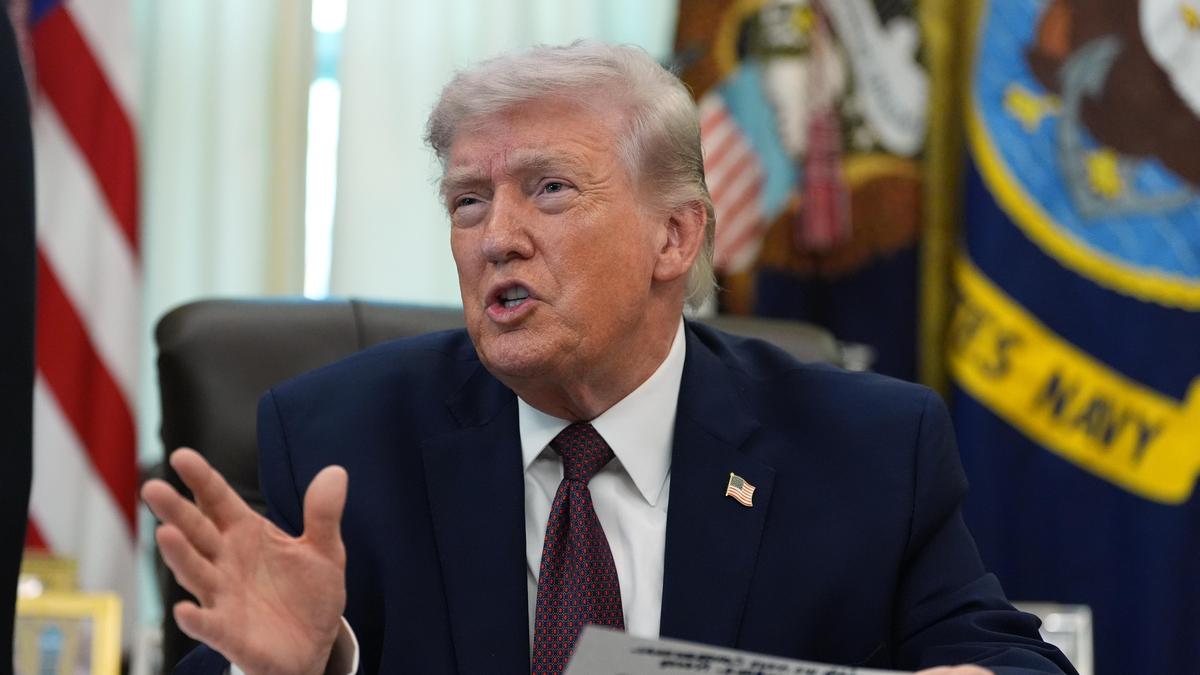
The American emissaries involved in these talks aren't naive, but they are beholden to a political cycle that demands optics over outcomes. For Washington, an Easter ceasefire is a "win" they can sell to a domestic audience that is increasingly weary of funding a stalemate.
But look at the data of the last century of conflict. From the Christmas Truce of 1914 to the Tet Offensive in Vietnam, "holiday pauses" are either ignored, exploited, or used as a smokescreen for a massive follow-up. In 1968, the North Vietnamese didn't just break the Tet truce; they used the psychological expectation of a pause to maximize the shock of their assault.
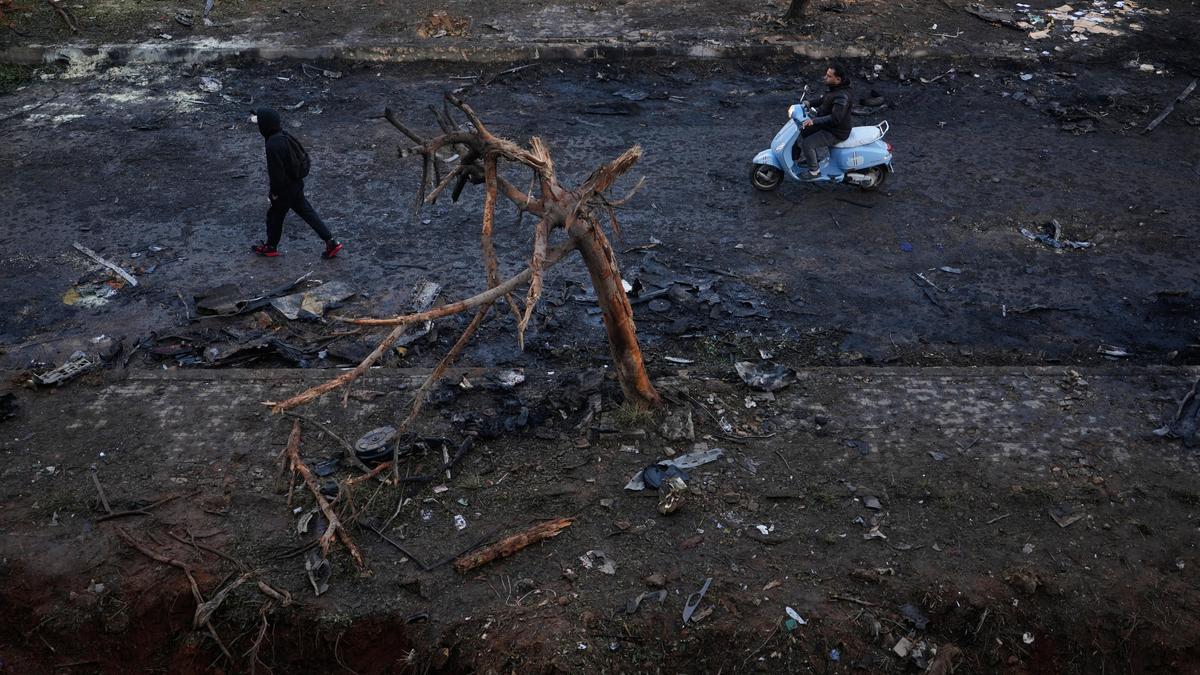
When Zelensky says the talks were "positive," he isn't saying the war is ending. He is signaling to his benefactors that he is a "reasonable actor" who respects Western values. It’s a performance. Meanwhile, on the ground, the mud doesn’t care about the calendar. The artillery doesn't have a soul.
The Myth of the "Cooling Off" Period
One of the most persistent fallacies in modern diplomacy is the idea that a temporary pause lowers the "temperature" of a conflict, making a permanent peace more likely.
This is demonstrably false.
In a war of survival, a pause only increases the lethality of the next phase. When the guns go silent for two days, the tension doesn't dissipate; it compresses. Troops on both sides spend those 48 hours staring at their watches, obsessing over the exact second they can resume firing. The psychological toll of stopping and starting is often more taxing than continuous operations. You lose momentum. You lose the "flow state" of a synchronized offensive.
If we look at the Nagorno-Karabakh escalations or the various "ceasefires" in the Syrian Civil War, the pattern is identical: the period immediately following a truce sees a 15-30% spike in casualty rates. Why? Because both sides used the "peace" to zero in their coordinates and move their heavy hitters into better positions.
The Religious Weaponization
There is something particularly cynical about using Easter—a festival of resurrection—as a tool for tactical regrouping. By tying a ceasefire to a religious date, you force the opponent into a PR trap. If they refuse, they are "godless" or "barbaric." If they accept, they are likely walking into a trap.
Russia has played this card repeatedly. They use the shared Orthodox calendar when it suits their defensive posture and ignore it when they have the upper hand. By engaging in these talks, the West is validating a cycle of manipulation. We are allowing the calendar to dictate the tempo of the war rather than the objectives.
What Real Strategy Looks Like
If the goal is truly to minimize loss of life, the answer isn't a two-day break to eat chocolate eggs while the snipers take a nap. The answer is the rapid, overwhelming provision of the tools necessary to force a conclusion.
The "positive" energy being spent on negotiating a 48-hour window would be better spent on solving the shell hunger in the Donbas. A ceasefire is a debt you pay with interest later. You trade a quiet weekend for a bloodier month.
We need to stop asking "Can we get a truce for the holidays?" and start asking "What are we doing to ensure this is the last holiday spent in a trench?"
The uncomfortable truth is that "peace" talks that don't address the underlying territorial and existential disputes are just administrative breaks for the killing machine. We aren't saving lives; we are just rescheduling their end.
Stop cheering for the "positive discussions." Start worrying about the escalation that is being planned while the emissaries are still at the table.
History doesn't remember the truces; it remembers who was standing when the clock ran out. If you want to honor the spirit of a holiday, finish the job so the next one can be celebrated in a city that isn't being turned to dust.
Anything else is just theater for the folks back home.
Put down the pen. Pick up the ammunition.