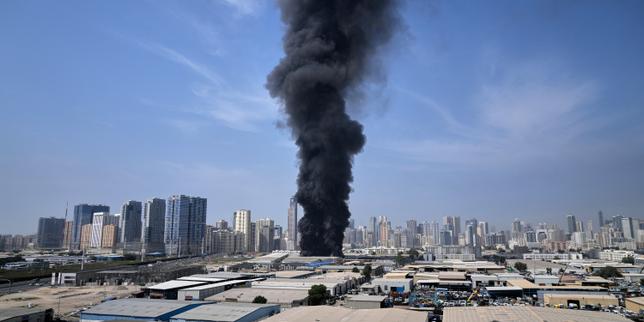
You’re on a balcony in Dubai, your phone is out, and the sky is suddenly streaked with the orange glow of an interceptor missile. Most of us would instinctively hit the record button. In London or New York, that video might go viral. In Dubai, it’s a one-way ticket to Bur Dubai police station.
The recent arrest of a 60-year-old British tourist from London highlights a terrifying gap between what Westerners consider "normal social media behavior" and the reality of UAE cybercrime laws. This traveler wasn't a spy or a political activist. He was a holidaymaker who filmed an Iranian missile strike during the escalating regional conflict. Despite deleting the footage the moment he was confronted, he now faces up to two years in prison and a fine that could hit AED 200,000.
He isn't alone. He’s part of a group of at least 21 people—including a Vietnamese sailor and a Filipina domestic worker—caught in a massive crackdown on digital content. If you're planning a trip to the Emirates, you need to understand that the rules have changed. The "influencer's paradise" has zero tolerance for anything that looks like "provocative propaganda."
Why Your Camera is a Liability in a Conflict Zone
The UAE isn't just protecting its image; it's protecting its security data. When you film a missile interception or a debris site, you’re inadvertently providing "battle damage assessment" to the other side.
Authorities are hypersensitive because these videos can reveal the exact location of air defense batteries or the success rate of interceptions. The UAE Attorney-General, Dr. Hamad Saif Al Shamsi, has been blunt about this. He recently warned that sharing footage of shrapnel or impact sites distorts reality and spreads panic.
But it goes deeper than that. Under Federal Decree-Law No. 34 of 2021 on Combating Rumors and Cybercrimes, the definitions are incredibly broad. You don't have to be the one who filmed the video to get arrested.
- Republishing a video someone else took? That’s a crime.
- Commenting on a viral clip of an explosion? You’re on the hook.
- Saving the footage to your phone? That’s possession of illegal material.
The law basically says that using an "information technology tool" to circulate news that "disturbs public security" is a criminal offense. During a war, almost any unofficial video of a strike falls under that umbrella.
The Influencer Double Standard
Radha Stirling, CEO of the advocacy group Detained in Dubai, has pointed out a jarring inconsistency in how these laws are applied. While an average tourist might be hauled off to a cell for a single video, high-profile influencers with hundreds of thousands of followers are sometimes merely told to "post a correction."
It’s a dangerous gamble. You cannot assume that because you see a video on your X feed while sitting in a Dubai cafe, it’s safe to hit "Retweet." If the authorities decide to make an example of someone, they won't care about your follower count. They’ll care about Article 44, which treats the unauthorized sharing of sensitive sites as a national security threat.
What's Actually Off-Limits
It isn't just missiles. Dubai has long had some of the strictest photography laws in the world, but the current conflict has turned the volume up to ten. If you want to stay out of a jail cell, you need to treat your phone like a regulated weapon in these areas:
1. Government and Military Sites
This sounds obvious, but in Dubai, "government" includes things you wouldn't expect. Civil defense buildings, courts, and even certain public utility plants are strictly no-photo zones. If you see a building with a flag or a security guard, keep your phone in your pocket.
2. Airports and Transportation
Filming inside Dubai International Airport (DXB) is a massive red flag. The same goes for the Metro. Authorities argue that these recordings could expose security layouts or technology to "unauthorized individuals."
3. People Without Consent
Article 378 of the UAE Penal Code makes it illegal to photograph anyone without their permission. This is particularly enforced regarding local women and families. Even if they’re just in the background of your "holiday vibe" shot, they have the legal right to report you.
4. Accident and Incident Sites
If you see a fire, a car crash, or—most relevantly now—missile debris, do not stop to take a photo. Spreading "false news" or "rumors" about an incident is a fast track to deportation. The government wants all information to flow through official channels like the Dubai Media Office.
Practical Steps to Protect Yourself
If you're in the UAE right now or traveling there soon, "common sense" isn't enough. You need a specific strategy to avoid ending up in the news for the wrong reasons.
- Turn off Auto-Upload: If you accidentally film something sensitive and it syncs to your iCloud or Google Photos, you’ve technically "distributed" or "stored" it. Disable cloud syncing for the duration of your trip.
- The "Delete" Myth: As the 60-year-old Brit found out, deleting the video doesn't always save you. Police can and will use forensic tools to recover deleted media if they suspect you've been filming sensitive sites.
- Follow Official Channels: Get your news from the UAE Ministry of Interior or the Dubai Media Office. If they haven't posted a video of an event, you shouldn't either.
- Don't Argue: If a security official or a local resident asks you to delete a photo, do it immediately and politely. Arguing or being "difficult" can lead to a "disturbing the peace" charge on top of the photography violation.
The reality is that Dubai is operating on a war footing. The glamour of the Burj Khalifa and the luxury malls hasn't changed, but the legal tolerance for "citizen journalism" has vanished. If you see something "cool" or "scary" in the sky, look with your eyes, not your lens. It’s the difference between a great story when you get home and a two-year stint in a desert prison.
If you or someone you know is heading to the region, make sure they understand that their phone's camera is now their biggest legal risk. Check the latest travel advisories from the UK Foreign Office or the US State Department before you fly.