China is playing a high-stakes game of chicken in the Middle East and it's losing sleep over a narrow stretch of water. You've probably heard the headlines. While Houthi rebels and regional factions are busy harassing Western tankers, Chinese ships supposedly have a "free pass" through the world's most volatile maritime chokepoints. But if you look at the actual tracking data, Beijing isn't acting like a superpower with a golden ticket. They’re acting scared.
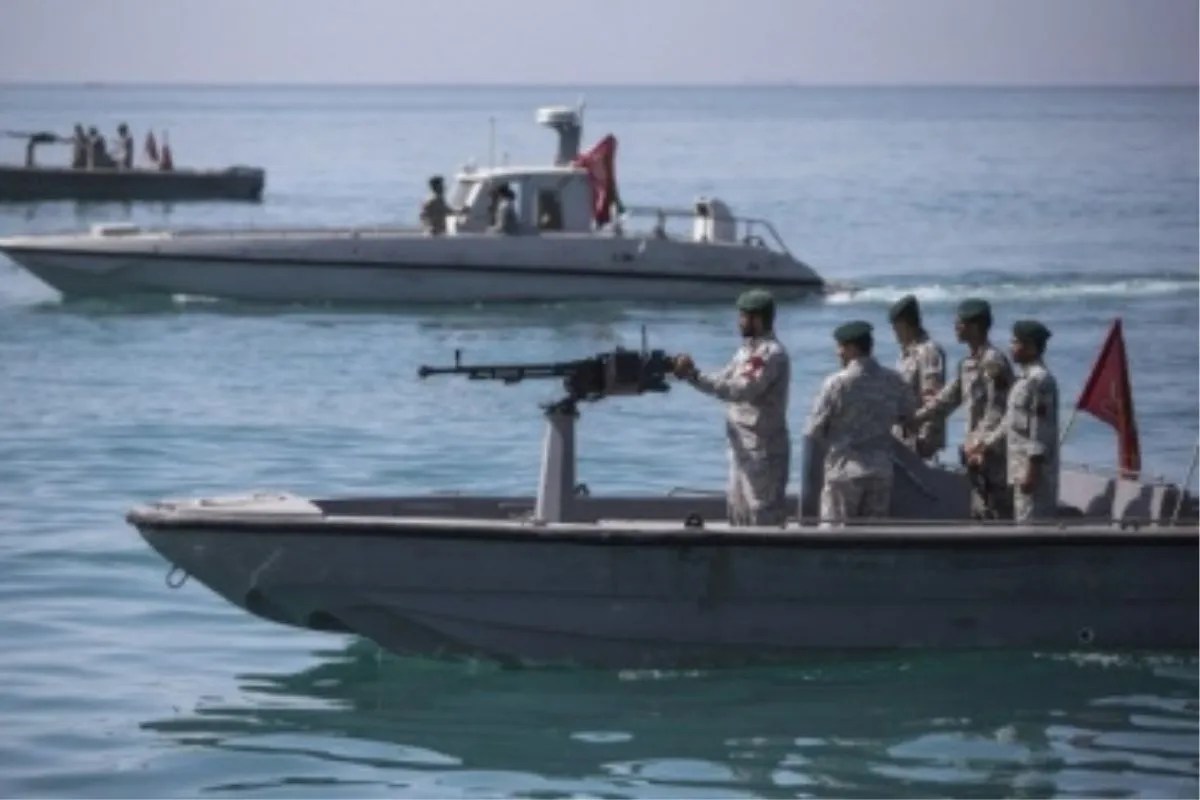
The Strait of Hormuz is the jugular vein of the global energy economy. About 20% of the world's liquid petroleum passes through this 21-mile-wide gap daily. For China, the stakes are even higher. They are the world's largest importer of crude oil, and a massive chunk of that supply originates in the Persian Gulf. Even with "guarantees" of safety from certain militant groups, the Chinese Communist Party (CCP) knows that a single stray missile or a sudden blockade could cripple their domestic economy in weeks.
The Illusion of the Safe Passage Agreement
There's a lot of chatter about China's back-channel deals. It's true that groups like the Houthis have hinted they won't target Chinese or Russian vessels. On paper, this sounds like a massive strategic win for Beijing. While Maersk and Hapag-Lloyd are forced to take the long, expensive route around the Cape of Good Hope, Chinese state-owned shipping giants should be sailing through with ease.
But here’s the reality. War doesn't follow a spreadsheet. A "safe pass" is only as good as the person pulling the trigger. The Houthis have already accidentally targeted ships with Chinese links or those carrying Russian oil. Kinetic warfare is messy. Identification systems get spoofed. Human error is constant. China knows that depending on the "mercy" of non-state actors is a terrible foundation for national energy security.
Beyond the technical risks, there's the political fallout. If China openly flaunts its immunity while the rest of the world’s trade suffers, it paints a massive target on its back. It signals to the West that Beijing is actively benefiting from regional chaos. That isn't a reputation they want to solidify while their economy is already struggling with a massive property crisis and slowing manufacturing.
Why the Malacca Dilemma Makes Hormuz Even Scarier
You can't talk about the Strait of Hormuz without talking about the Malacca Dilemma. This term, coined by former President Hu Jintao, describes China's fear that an enemy—specifically the United States Navy—could block the Strait of Malacca and starve China of energy.
Hormuz is the starting point of that nightmare. If the Strait of Hormuz shuts down or becomes a "no-go" zone for Chinese tankers due to escalating insurance costs, the entire supply chain breaks before it even reaches the Indian Ocean. China doesn't have a blue-water navy capable of escorting every single tanker from the Gulf back to Shanghai. They have the ships, sure, but they don't have the global network of bases or the operational experience to maintain a permanent combat-ready presence in those waters.
The Insurance Nightmare Nobody Is Talking About
Even if the Chinese ships aren't being shot at, they're being priced out. Shipping isn't just about fuel and sailors. It's about insurance. Most maritime insurance is handled by Western firms, largely based in London. When a region becomes a "War Risk Area," premiums skyrocket.
- War risk premiums have jumped significantly in the last year.
- Some insurers now refuse to cover any vessel entering the Red Sea or Persian Gulf without massive surcharges.
- Chinese "shadow fleets" often lack the top-tier coverage needed to enter major international ports.
Chinese companies might have a verbal agreement with a rebel group, but Lloyd’s of London doesn't care about a Houthi handshake. The cost of insuring a giant VLCC (Very Large Crude Carrier) through a combat zone is becoming prohibitive. This eats into the thin margins of Chinese refineries. Suddenly, that "free pass" costs millions of dollars in extra overhead.
Beijing's Failing Diversification Strategy
China isn't stupid. They’ve spent the last decade trying to build "land bridges" to avoid these maritime traps. Think of the China-Pakistan Economic Corridor (CPEC) or the Power of Siberia pipelines from Russia.
But these are band-aids on a gunshot wound.
Pipelines can be sabotaged. Trucking oil across thousands of miles of mountainous terrain in Pakistan is wildly inefficient compared to a single tanker carrying two million barrels. Russia is currently China’s top supplier, but relying too heavily on Moscow creates a different kind of dependency. Beijing wants to be the master of its own fate, not Putin's junior partner.
The fear isn't just about today's oil price. It's about the precedent. If China shows it can be bullied or deterred in the Strait of Hormuz, every other regional power along their trade routes takes note. It's a display of weakness that the CCP cannot afford.
What Happens When the Smoke Clears
China is currently stuck. They can't stay away because they need the oil. They can't fully commit to protecting the ships because they don't want a military confrontation with the US or its allies. So, they wait. They use small, private tankers to move oil under the radar. They keep their warships at a distance, performing "anti-piracy" drills that conveniently avoid the actual combat zones.
This isn't the behavior of a confident global leader. It’s the behavior of a country that realizes its "Rise" is still tethered to a very fragile, very Western-controlled global order.
If you're tracking this, watch the insurance markets and the movement of the People's Liberation Army Navy (PLAN) 45th Escort Task Force. Their refusal to engage in "Operation Prosperity Guardian" tells you everything. They want the benefits of a safe ocean without the cost of defending it. But in the Strait of Hormuz, there’s no such thing as a free lunch. You either protect your interests or you watch them sink.
Start looking at the specific registry of the tankers entering the Gulf. You'll notice a shift toward "flag of convenience" ships that mask Chinese ownership. It's a desperate move to stay liquid while the world's most important waterway stays on fire. Beijing is terrified because they know their entire industrial engine depends on 21 miles of water they don't control.