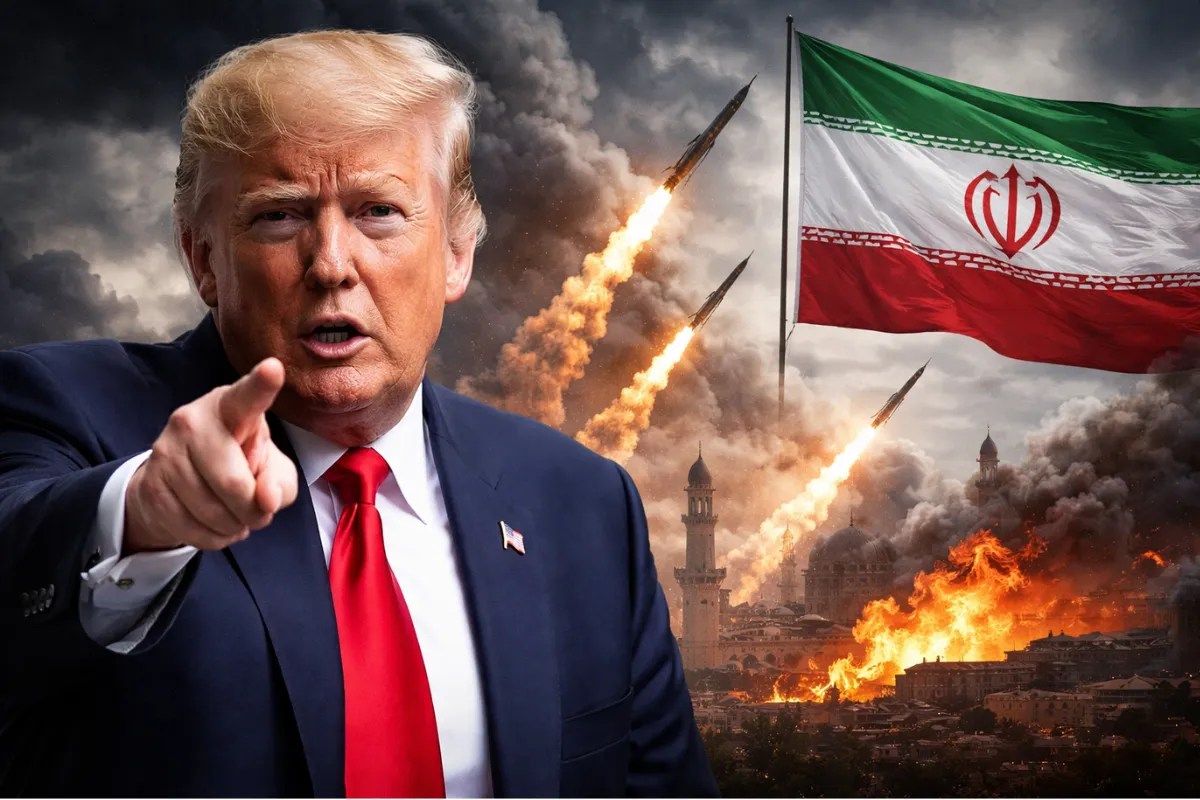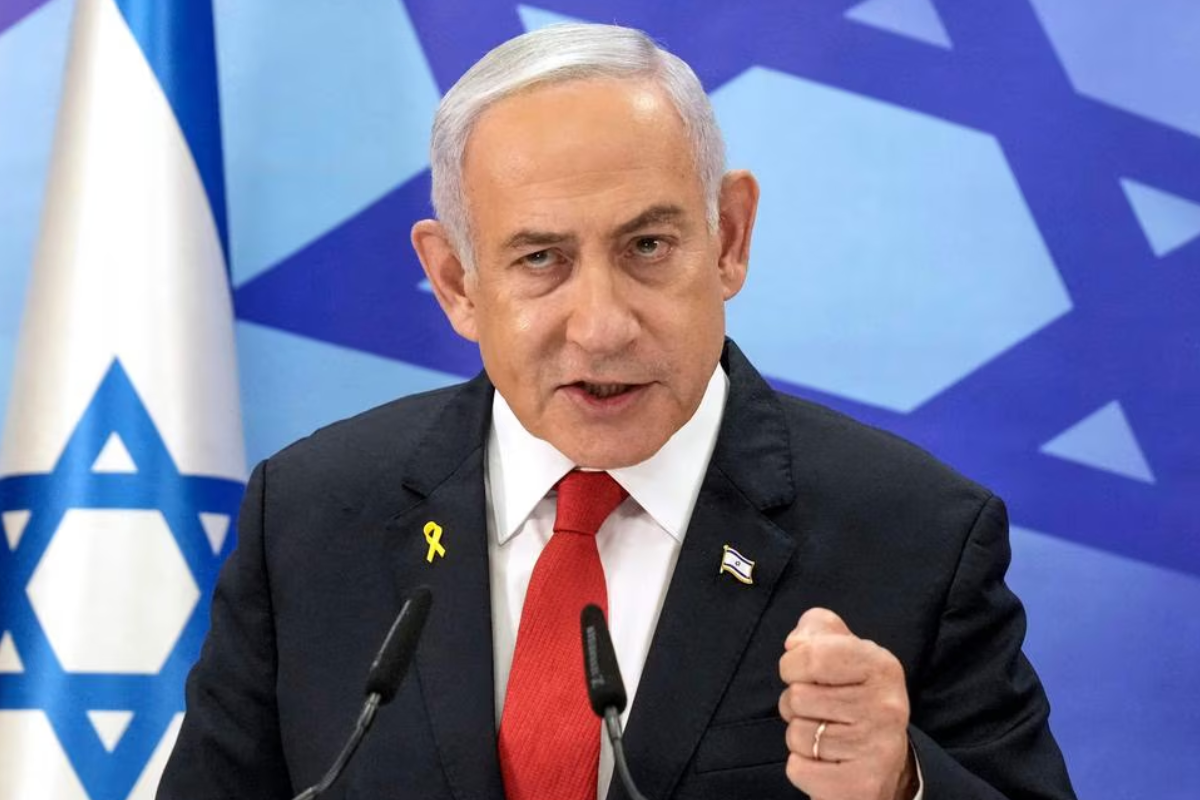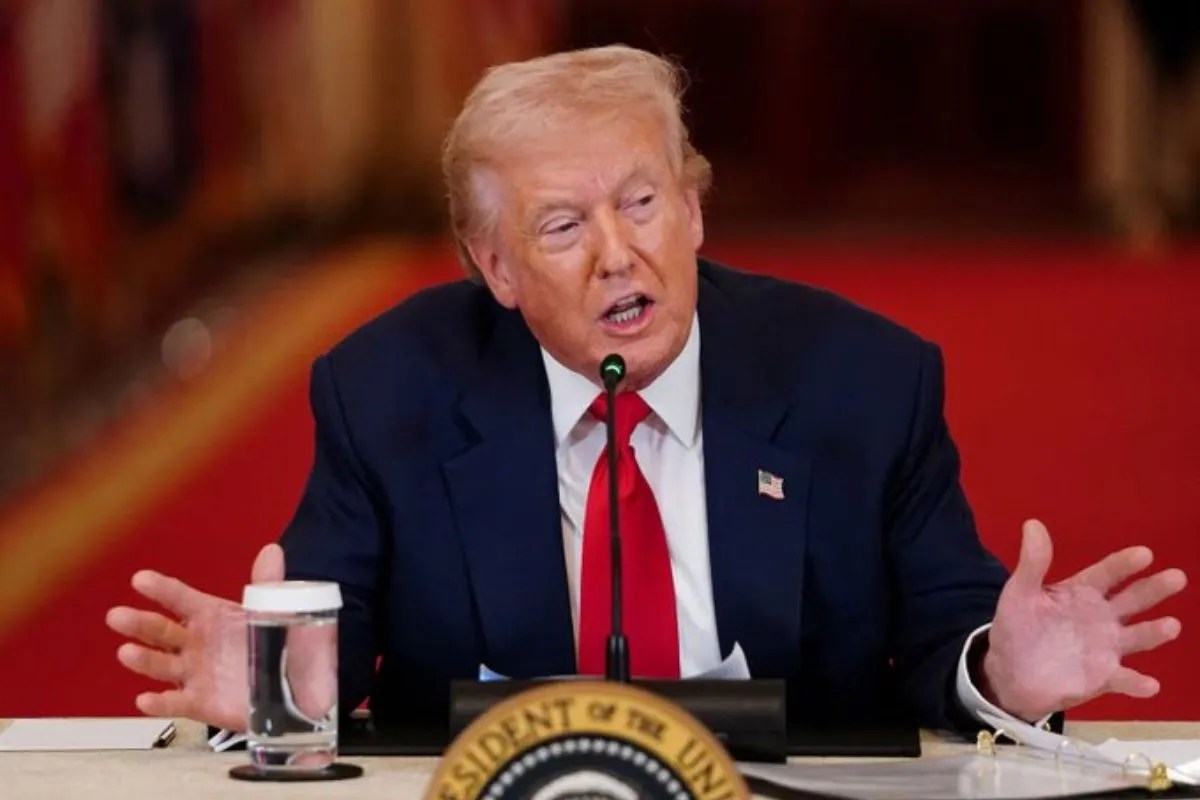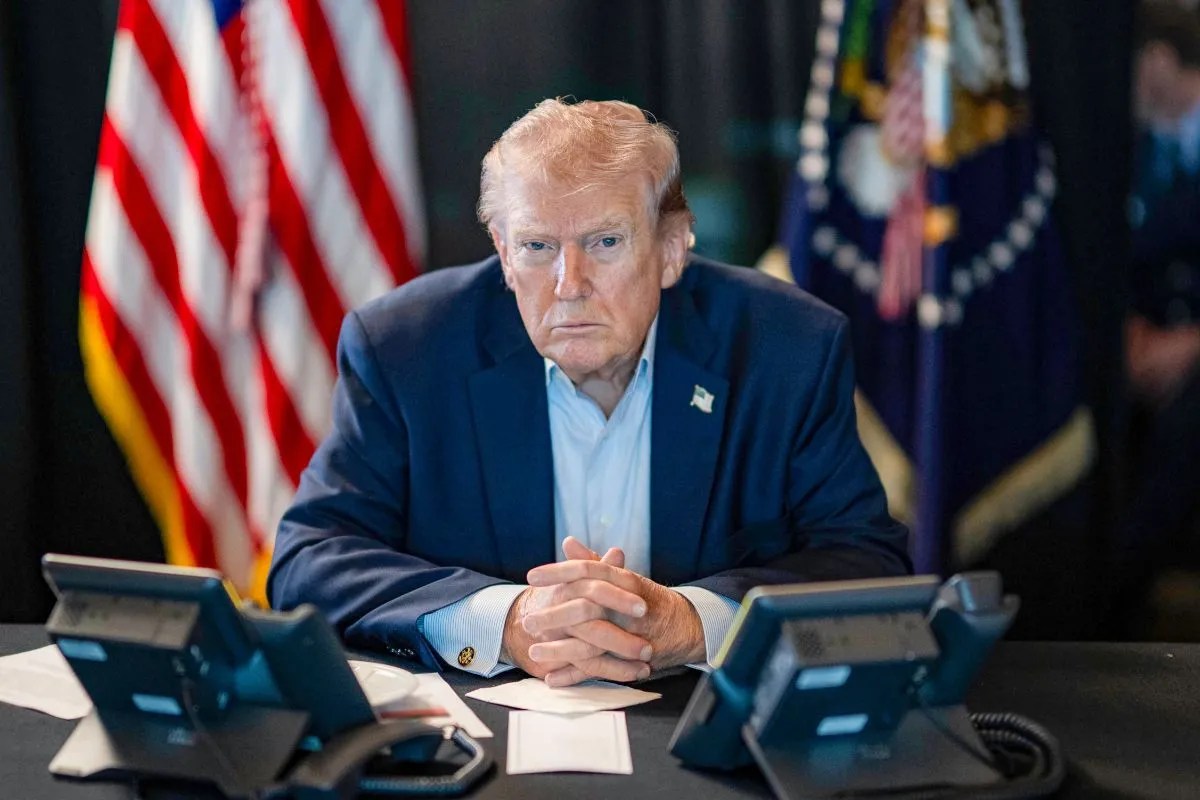
The persistent friction between Washington and Tehran has reached a stage where conventional military superiority no longer guarantees a diplomatic win. While the global narrative often frames the United States as the undisputed heavyweight, the actual mechanics of Middle Eastern power dynamics reveal a far more symmetrical struggle. Donald Trump’s decision to pull back from the brink of open war with Iran was not a sign of sudden pacifism. It was a calculated acknowledgement that the cost of an all-out conflict would far outweigh any localized tactical victory. Iran has successfully built a "grey zone" strategy that makes traditional American power projection both expensive and politically risky.
The Asymmetric Trap
Washington operates on a doctrine of overwhelming force. Iran operates on a doctrine of survival through chaos. This fundamental difference creates a scenario where the U.S. finds itself punching at smoke. Tehran doesn't need to sink a carrier to win; they only need to make the operation of that carrier so dangerous and expensive that the American public loses its appetite for the mission.
The Iranian military has spent decades perfecting its "thousand stings" strategy. Instead of a large, vulnerable blue-water navy, they utilize swarms of fast-attack craft, sophisticated mobile cruise missiles, and a massive arsenal of drones. In a narrow corridor like the Strait of Hormuz, these assets provide a home-field advantage that nullifies much of the technological gap. When an American president looks at the map, they see that a single lucky strike on a billion-dollar asset could shift the domestic political tide overnight.
Why the Military Option Stayed in the Holster
Trump’s "Maximum Pressure" campaign hit a wall when it encountered the reality of Iranian proxies. This is the "Inside Story" that military analysts often gloss over. Iran doesn't fight its battles on a single front. Through the Quds Force, they have established a network of influence that stretches from the Mediterranean to the Gulf of Aden.
If the U.S. strikes a target in central Iran, Hezbollah can launch thousands of rockets from Lebanon, militias in Iraq can target American embassies, and the Houthis in Yemen can shut down the Bab el-Mandeb strait. This creates a multi-front headache that the Pentagon is poorly equipped to handle simultaneously without a full-scale regional mobilization. Trump, who campaigned on ending "forever wars," understood that a strike on Iran wouldn't be a surgical operation. It would be a spark in a room full of gasoline.
The Intelligence Gap and the India Factor
Indian military veterans who have worked closely with Middle Eastern counterparts point to a specific blind spot in Western intelligence. There is a tendency to underestimate the ideological resilience of the Iranian leadership. The assumption that economic sanctions would trigger a popular uprising or a regime collapse has proven flawed. Instead, these measures have often consolidated power within the Islamic Revolutionary Guard Corps (IRGC), who now control vast swathes of the black-market economy.
India views this conflict through the lens of energy security and regional stability. New Delhi has historically maintained a delicate balance, needing American security cooperation while relying on Iranian cooperation for the Chabahar Port and access to Central Asia. When the U.S. pressures India to cut off Iranian oil, it doesn't just hurt Tehran; it strains the strategic autonomy of one of Washington's most important partners in the Indo-Pacific.
The Nuclear Poker Game
Tehran uses its nuclear program as a permanent bargaining chip. Every time the U.S. increases sanctions, Iran spins more centrifuges. It is a cycle of escalation where the "price of admission" for a new deal keeps going up. The 2018 withdrawal from the JCPOA removed the guardrails, leaving the U.S. with two bad choices: accept a nuclear-capable Iran or start a war to prevent it.
The logic of the "deal-maker" president was to find a third way, but Iran’s leadership knows the American political calendar. They play the long game. They know that a change in administration can lead to a complete reversal of policy, so they have little incentive to make permanent concessions to a president they believe might be gone in four years.
The Economic Shield
We must talk about the shifting global economy. Sanctions are losing their teeth because of the emergence of non-Western financial blocks. China has become a primary lifeline for Iranian crude, often using "ghost fleets" and obfuscated banking channels to bypass the U.S. Treasury. When the dollar is no longer the only game in town, the threat of being cut off from the SWIFT system loses some of its terror.
This economic shift emboldens Tehran. They are no longer isolated in the way they were in the 1990s. With Russia and China providing a diplomatic and economic buffer at the UN Security Council, Iran feels it can weather the American storm. This was a hard lesson for the Trump administration. You cannot starve a country into submission if its neighbors are willing to feed it under the table.
The Logistics of a Conflict That No One Can Win
A full-scale invasion of Iran would require a force larger than what was used in the 2003 Iraq War. Iran’s geography—rugged mountains and vast deserts—is a natural fortress. Unlike the flat plains of Iraq, Iran offers endless opportunities for an entrenched defender to bleed an invading force.
Furthermore, the American taxpayer is weary. The trillions spent in Afghanistan and Iraq have left a bitter taste. Any leader who enters a new conflict in the Middle East without a clear exit strategy is committing political suicide. This domestic reality is perhaps the strongest "weapon" in Iran’s inventory. They don't have to defeat the U.S. military; they just have to outlast the American voter’s patience.
The Silent Victory of Deterrence
Ultimately, Trump’s restraint was an admission of a new reality. The era of the U.S. dictating terms to regional powers through pure intimidation is fading. Iran has proven that a mid-sized power with enough "asymmetric grit" can force a superpower to the negotiating table, or at least to a state of begrudging coexistence.
This isn't about who is right or wrong. It is about the cold, hard math of geopolitics. When the risk of action is a global oil crisis and the reward is a temporary setback for a resilient adversary, the only logical move is to wait. Iran knows this. The U.S. knows this. The "Inside Story" isn't a secret deal; it's a mutual recognition of a stalemate that neither side can afford to break.
Keep a close eye on the drone corridors in the Persian Gulf, because that is where the next decade of this shadow war will be decided, far away from the polished tables of Geneva or Washington.