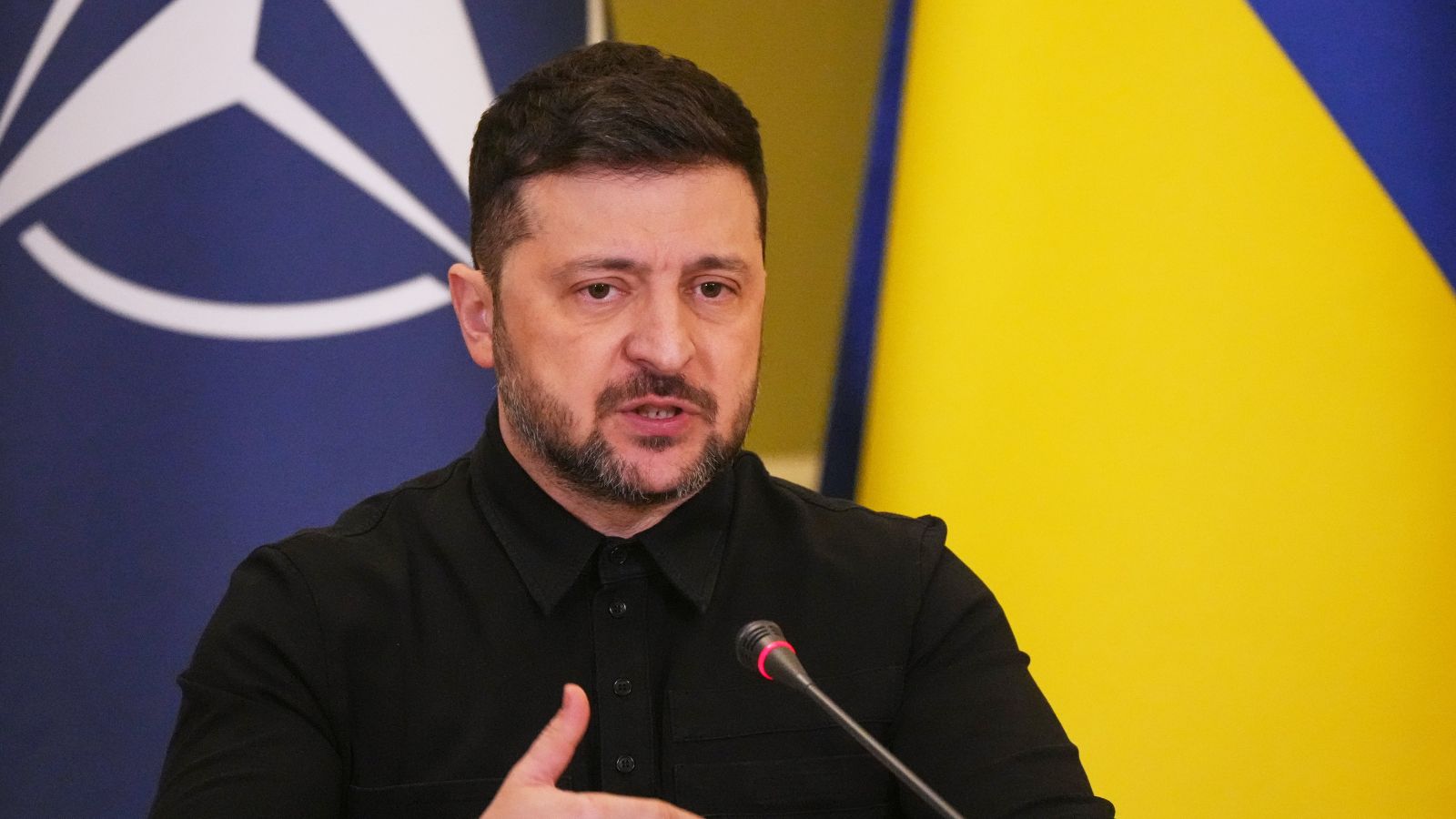
The world’s attention is a finite resource, and right now, it's being drained by the Middle East. That’s not just a casual observation; it’s a cold, hard tactical reality that the Kremlin is banking on. While the headlines focus on the spiraling conflict involving Iran and the shifting sands of U.S. foreign policy, Moscow is quietly ramping up the pressure on a distracted West. Ukrainian President Volodymyr Zelensky isn't just complaining about the lack of spotlight—he’s warning that the "second front" in the Middle East is exactly what Vladimir Putin needs to finish what he started in Kyiv.
Just this past weekend, the reality of this distraction hit home with a massive Russian barrage. Over 430 drones and nearly 70 missiles rained down on Ukraine, specifically targeting the energy infrastructure in the Kyiv region. This wasn't some random escalation. It happened just as U.S.-brokered peace talks were stalled because Washington’s eyes were glued to Tehran. Zelensky’s message is blunt: Russia is exploiting the chaos in the Middle East to buy "breathing room" and deplete the very air defense systems Ukraine needs to survive.
The distraction trap is working
You can see the shift in real-time. A year ago, a strike of this magnitude would have been the undisputed lead story on every major news network. Today, it’s tucked under "World News" while analysts debate the latest naval movements in the Persian Gulf. This is exactly the "informational vacuum" Zelensky warned about. When the world looks away, the political will to send Patriot missiles and billion-dollar aid packages begins to crumble.
It’s not just about media cycles, though. It’s about the hardware. The United States and its allies are facing a "competition for interceptors." If you're a Pentagon strategist, do you send that next batch of air defense missiles to Ukraine to protect a power plant in Kyiv, or do you keep them in the Middle East to protect U.S. bases from Iranian-backed militias? It's a zero-sum game that Russia didn't have to start, but is certainly happy to use.
How Moscow wins from Middle East chaos
Russia’s strategy here is multi-layered and honestly, pretty cynical. By backing Iran—even if only through "words of indignation" and intelligence sharing—they ensure the fire in the Middle East stays hot. A hot Middle East means several things that directly hurt Ukraine:
- Energy Prices: As tensions rise, so do oil prices. Russia, a major energy exporter, sees its war chest grow every time a tanker is threatened in the Strait of Hormuz.
- Depleted Arsenals: Western stockpiles aren't bottomless. The more the U.S. has to commit to Middle Eastern stability, the less it has for the Donbas.
- Diplomatic Fatigue: Western voters are getting tired of "forever wars." If they feel like they’re being dragged into a new conflict in Iran, their appetite for funding a four-year-old war in Ukraine drops to near zero.
We’ve already seen the first tangible results of this shift. The U.S. recently postponed a critical round of trilateral talks in Abu Dhabi. Why? Because the negotiators were busy dealing with the fallout of the Iran war. While diplomacy pauses, the Russian military doesn't. They’ve switched from a moratorium on energy strikes to a total blitz, knowing that the replenishment of Ukrainian air defenses is no longer a "one hundred percent" priority for their partners.
The expertise gap
What’s often missed in this conversation is that Ukraine has actually become the world's leading expert on the very weapons being used in the Middle East. Iranian Shahed drones—the same ones being fired at U.S. assets—have been hitting Ukrainian apartment buildings for years. Zelensky has pointed out that Ukraine is effectively a "living laboratory" for Western tech.
If the West wants to know how to stop the Iranian threat, they should be doubling down on support for the country that’s been shooting down these drones every single night. Instead, we’re seeing a weird reversal where the student is being ignored while the teacher is under fire.
What actually needs to happen now
If you're following this and wondering where it goes, the next few months are "pivotal"—scratch that, they’re basically the whole ballgame. The "spirit of Anchorage" (the supposed understandings between Putin and the U.S. administration) is evaporating. We're looking at a scenario where Russia feels it can push for a total military solution because the West is too overstretched to stop them.
The practical steps aren't complicated, but they require a level of focus that seems to be lacking:
- Decouple the aid: Support for Ukraine cannot be tied to the temperature of the Middle East. If it is, Putin has a permanent "off switch" for Ukrainian defense just by poking the hornet's nest in Tehran.
- Ramp up domestic production: Zelensky and European leaders like the Dutch PM are already discussing joint weapons production. This is the only way out. Ukraine needs to build its own drones and missiles so it isn't at the mercy of the U.S. election cycle or the latest crisis in the Levant.
- Counter the energy windfall: If Russia is profiting from high oil prices caused by Middle East tension, the "price caps" that everyone forgot about need to be enforced with a vengeance.
Don't let the shift in headlines fool you. The war in Ukraine hasn't slowed down; it’s just getting louder while we’re wearing earplugs. Russia isn't just watching the Middle East—they're using it as a shield to hide the "greater destruction" they’re planning for Europe.
Keep your eyes on the air defense numbers. When the interceptors stop arriving in Kyiv, the "second front" has already won. Watch the upcoming security guarantee signings between the U.S. and Ukraine. If those get delayed again "due to regional tensions," you’ll know exactly whose plan is working.