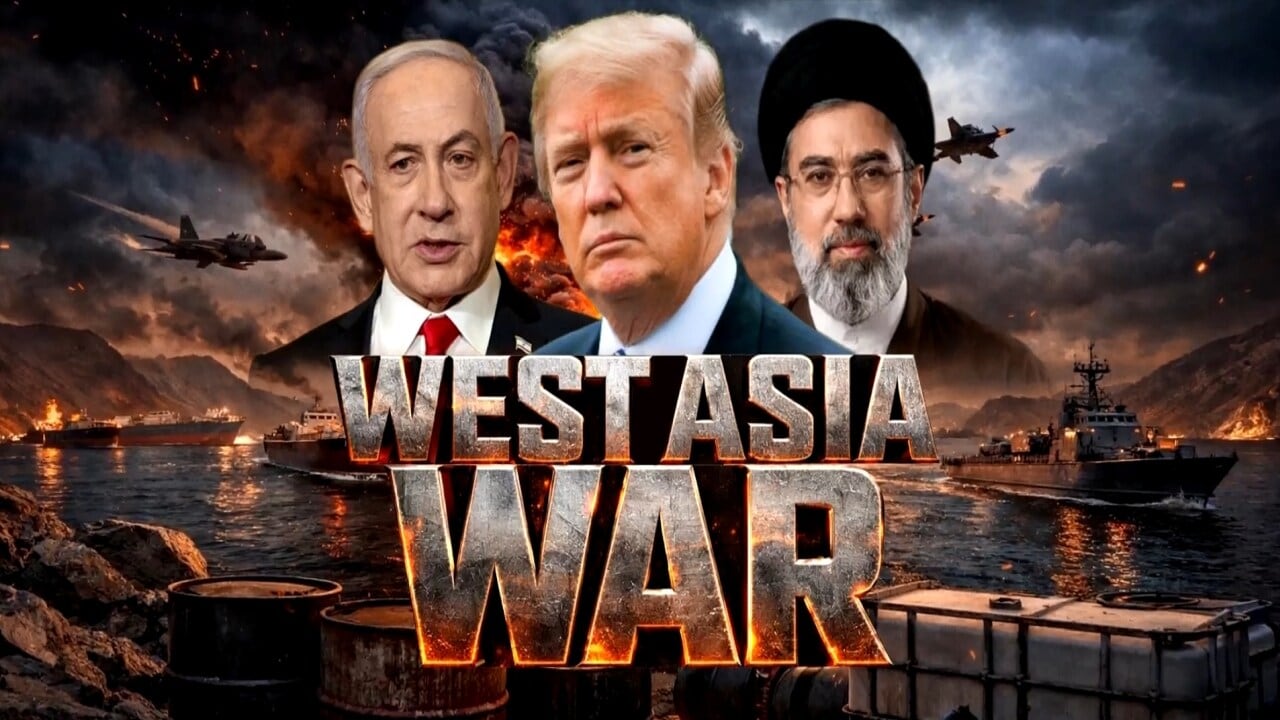
The prevailing diplomatic optimism suggests that the current cycle of violence in West Asia will burn itself out by April. It is a tidy timeline that fits neatly into quarterly projections and political election cycles, but it ignores the structural reality of the "Permanent War" footing now adopted by regional powers. While a temporary de-escalation or a fragile ceasefire may surface as the weather warms, the underlying mechanisms of the conflict—specifically the collapse of the proxy-deterrence model and the shift toward direct state-on-state confrontation—are accelerating. We are not approaching an exit ramp; we are witnessing the reorganization of the Middle Eastern security architecture under fire.
The Friction of False Deadlines
Diplomatic circles often lean on the "fatigue factor" to predict the end of hostilities. The theory is simple: resources dwindle, domestic pressure mounts, and eventually, the cost of kinetic operations outweighs the political capital gained. This logic is being applied to the current West Asian theater with the hope that by spring, the primary combatants will have "exhausted their objectives."
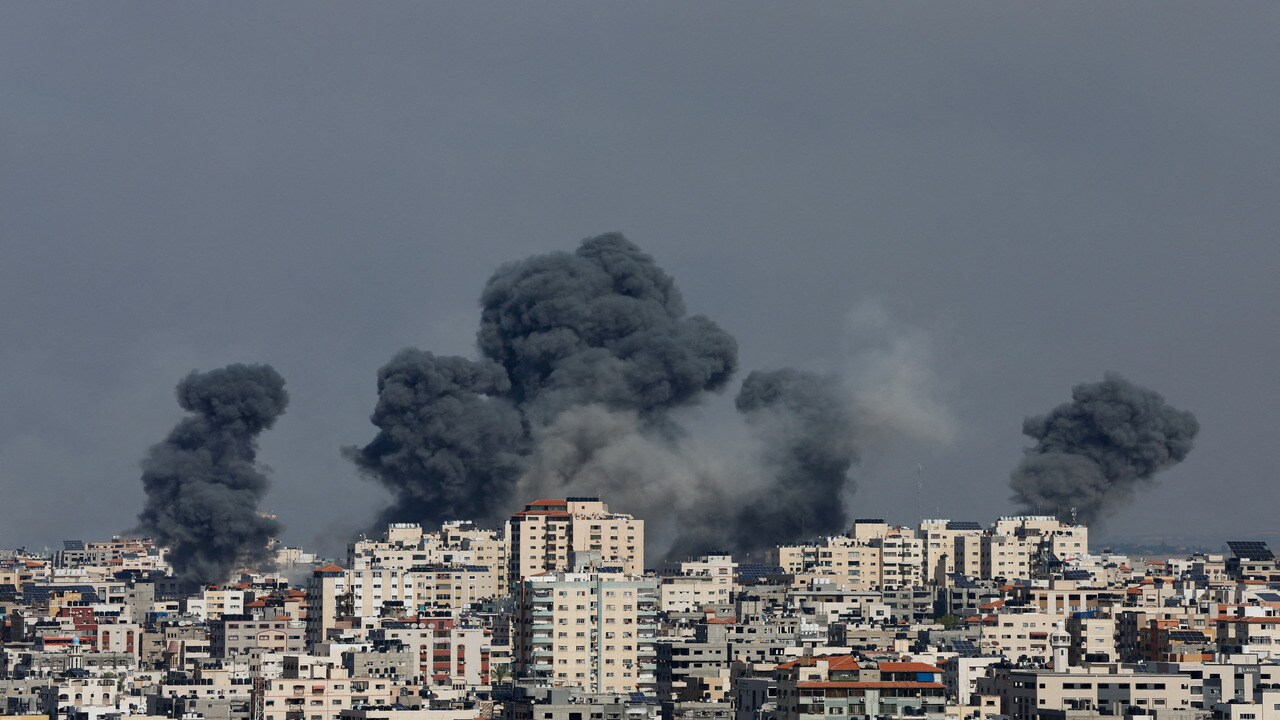
This is a dangerous misreading of the current momentum. Unlike previous flare-ups that operated on a "tit-for-tat" logic, the current escalation is driven by existential security shifts. For Israel, the objective has moved from "management" of threats to the "eradication" of capabilities—a goal that does not adhere to a calendar. For the "Axis of Resistance" led by Iran, the strategy has shifted from localized harassment to a coordinated multi-front pressure campaign designed to test the limits of Western commitment.
April is a convenient benchmark for Western diplomats who need to project stability before the summer. However, on the ground, the military infrastructure being built—tunnels, forward operating bases, and long-range drone launch sites—indicates a preparation for a multi-year struggle, not a seasonal skirmish.
Beyond the Proxy Veil
For decades, the region operated under a unspoken set of rules. Iran used proxies to strike at its enemies, and its enemies struck those proxies back, leaving Tehran largely untouched. This "buffer zone" of conflict allowed for a high degree of deniability and kept the broader region from falling into a total war.
That veil has been shredded. The direct exchange of fire between major regional powers has removed the safety valve of deniability. We are now in a period of strategic exposure. When a state actor can no longer hide behind a militia, the stakes of every drone launch or targeted assassination rise exponentially.
- The Drone Economy: The proliferation of cheap, effective loitering munitions has shifted the cost-benefit analysis of regional warfare. It is now significantly cheaper to attack a multi-million dollar air defense battery with a $20,000 drone than it is to defend it.
- The Intelligence Gap: The October failures proved that technological superiority is not a substitute for human intelligence and ground-level awareness. This realization has led to a more aggressive, preemptive posture that favors striking first rather than waiting for a threat to materialize.
This shift toward preemption makes an April "end date" nearly impossible. When the policy is to eliminate threats before they form, the war ends only when the enemy’s capacity to organize is completely destroyed. That is a task measured in years, not months.
The Red Sea Chokepoint and Global Market Inertia
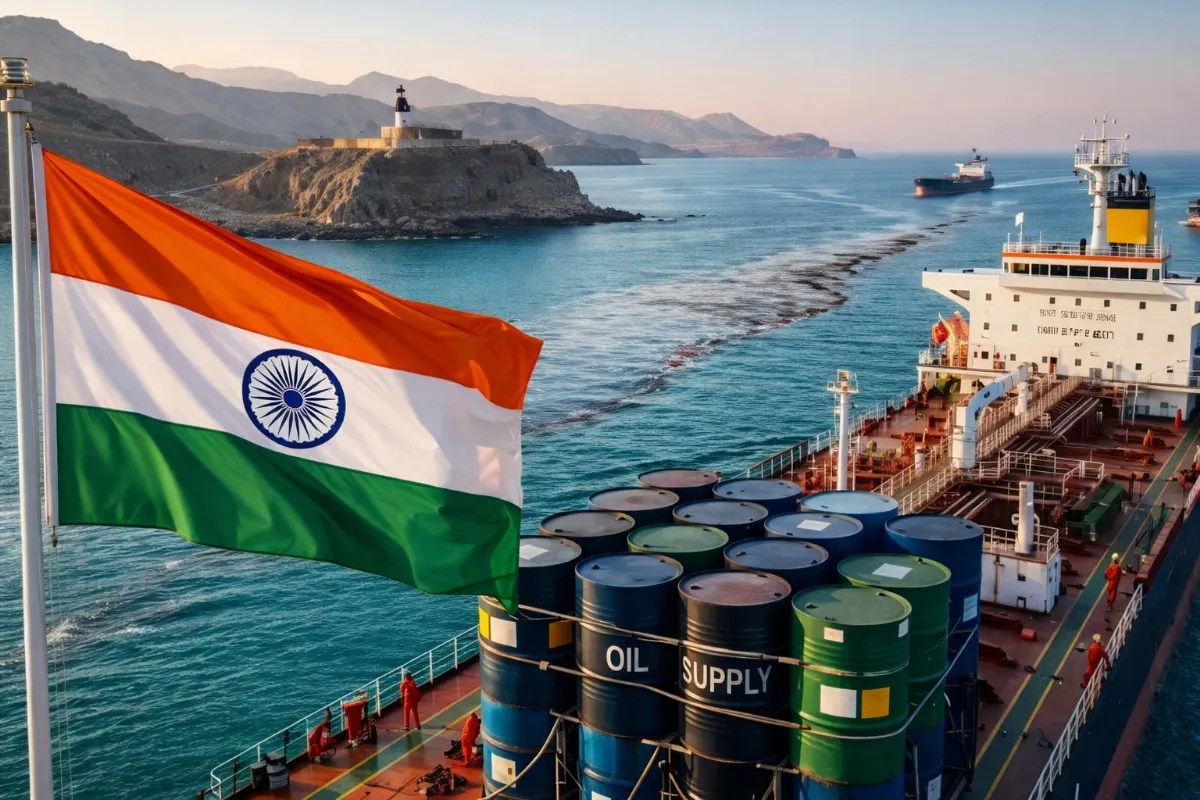
While the kinetic war is fought in the Levant, the economic war is being won in the Bab el-Mandeb strait. The disruption of maritime trade is not a side effect of the conflict; it is a primary lever of power. By forcing global shipping to reroute around the Cape of Good Hope, regional actors have effectively placed a tax on Western consumerism.
This isn't just about insurance premiums or fuel costs. It is about the demonstration of fragility. The fact that a non-state actor can disrupt 12% of global trade with relatively low-tech equipment has changed the risk assessment for international capital. Even if the shooting stops in April, the "security premium" on shipping through these waters will remain. Investors and logistics giants are already pricing in a permanently volatile Middle East.
The business world's desperate hope for a "return to normal" ignores the fact that "normal" was built on a foundation of maritime security that no longer exists. The U.S.-led coalition patrols are a reactive measure, not a proactive solution. Until the political grievances driving the maritime interdictions are addressed, the Red Sea remains a dormant volcano, ready to erupt regardless of any ceasefire signed in a distant capital.
Domestic Political Survival as a War Driver
To understand why this conflict likely won't end by April, you have to look at the internal pressures facing the leadership on all sides. For many of the key players, the war is not just a foreign policy choice; it is a domestic survival strategy.
In Israel, the current coalition knows that the day the guns fall silent is the day the inquiries begin. The political cost of the security failure is so high that there is a massive incentive to keep the "emergency" status active. A state of war provides a shield against the legal and political reckoning that is inevitably coming.
Conversely, for the leadership in Tehran, the regional chaos serves as a convenient distraction from a flagging economy and domestic dissent. By positioning themselves as the vanguard of a regional struggle, they can marginalize internal critics and justify increased security measures at home.
When war becomes the primary mechanism for staying in power, peace is not a goal; it is a threat.
The Myth of the "Surgical Strike"
There is a persistent belief among Western analysts that high-tech, "surgical" military operations can decouple the core threat from the surrounding civilian and economic infrastructure. This is a fantasy. In the densely populated and interconnected landscape of West Asia, every strike has a ripple effect that creates new grievances and recruits for the next generation of combatants.
The "surgical strike" is an oxymoron in a theater where the enemy is integrated into the social fabric. Every precision bomb that misses its mark—or hits its mark but causes collateral damage—erodes the legitimacy of the actor deploying it and strengthens the resolve of the opposition. This creates a recursive loop of violence. You strike to eliminate a threat, the strike creates two new threats, and the cycle continues.
The Fragmentation of Western Influence
Perhaps the most significant factor that will prevent a neat resolution by April is the undeniable decline of Western leverage in the region. The era of the "Pax Americana," where a single phone call from Washington could freeze a conflict, is over.
Regional players are increasingly looking toward a multipolar reality. They are hedging their bets with Beijing and Moscow, using these relationships as a counterweight to Western pressure. When a regional power knows it has alternative sources of diplomatic and economic support, it is much less likely to acquiesce to Western demands for restraint.
We are seeing the emergence of a regional autonomy that is both empowering and incredibly dangerous. Without a single, dominant arbiter to enforce the "rules of the road," every state is acting according to its own immediate security needs, often at the expense of regional stability.
The Lebanon Variable
The most volatile element in this entire equation is the northern border of Israel. While the world's attention has been focused elsewhere, the buildup along the Lebanese border has reached a critical mass. Unlike the localized skirmishes we’ve seen so far, a full-scale confrontation in the north would dwarf the current conflict in scale and destruction.
The presence of over 150,000 rockets and missiles aimed at the heart of the region's most advanced economy is a reality that no government can tolerate indefinitely. The "April" deadline assumes that this powder keg remains unlit. If the northern front opens, all bets are off, and the current conflict will be viewed merely as a prelude to the real war.
The Economic Re-Alignment
While the headlines focus on missiles and diplomacy, a quieter, more profound shift is occurring in the region's economic DNA. The traditional oil-for-security arrangement is being replaced by a more complex web of energy exports, technology transfers, and strategic investments that bypass the West entirely.
Saudi Arabia and the UAE, for instance, are no longer content to be passive observers or mere "ATM machines" for Western military adventures. They are pursuing a policy of strategic neutrality, seeking to protect their "Vision 2030" and "D33" economic goals while navigating the minefield of regional conflict.
This neutrality, however, is precarious. If the conflict expands, the pressure to choose a side will become overwhelming. For now, they are betting that they can buy their way out of the chaos. But as the maritime disruptions show, you cannot insulate an economy from a regional firestorm forever.
The Inevitability of Short-Term Escalation
The "short-term escalation" predicted by diplomats is not a bug in the system; it is a feature of the current strategic environment. All parties are currently engaged in a process of limit-testing. They are trying to find out exactly how far they can push before they trigger a catastrophic response.
The problem with limit-testing is that you only know you've found the limit once you've crossed it.
Every time a drone reaches a sensitive target, or a ship is seized, or a commander is assassinated, the baseline for "normal" aggression is reset higher. We are climbing a ladder of escalation where the rungs are breaking behind us. There is no easy way back down.
April will come and go. The sun will get hotter, the desert winds will pick up, and the diplomats will move the goalposts to September or December. But the underlying reality—the broken deterrence, the rise of the drone economy, the domestic political incentives for war, and the decline of external influence—will remain.
The idea that this conflict will simply "end" is a misunderstanding of the modern Middle East. It won't end; it will evolve, transform, and move to new theaters. The task for the rest of the world is not to wait for a peace that isn't coming, but to prepare for a period of prolonged, high-intensity volatility that will redefine the global order for the next twenty years.
The most dangerous thing you can do in a war zone is trust a calendar. In West Asia, the calendar is just another weapon of deception. The escalation isn't a detour on the way to peace; it is the new destination.