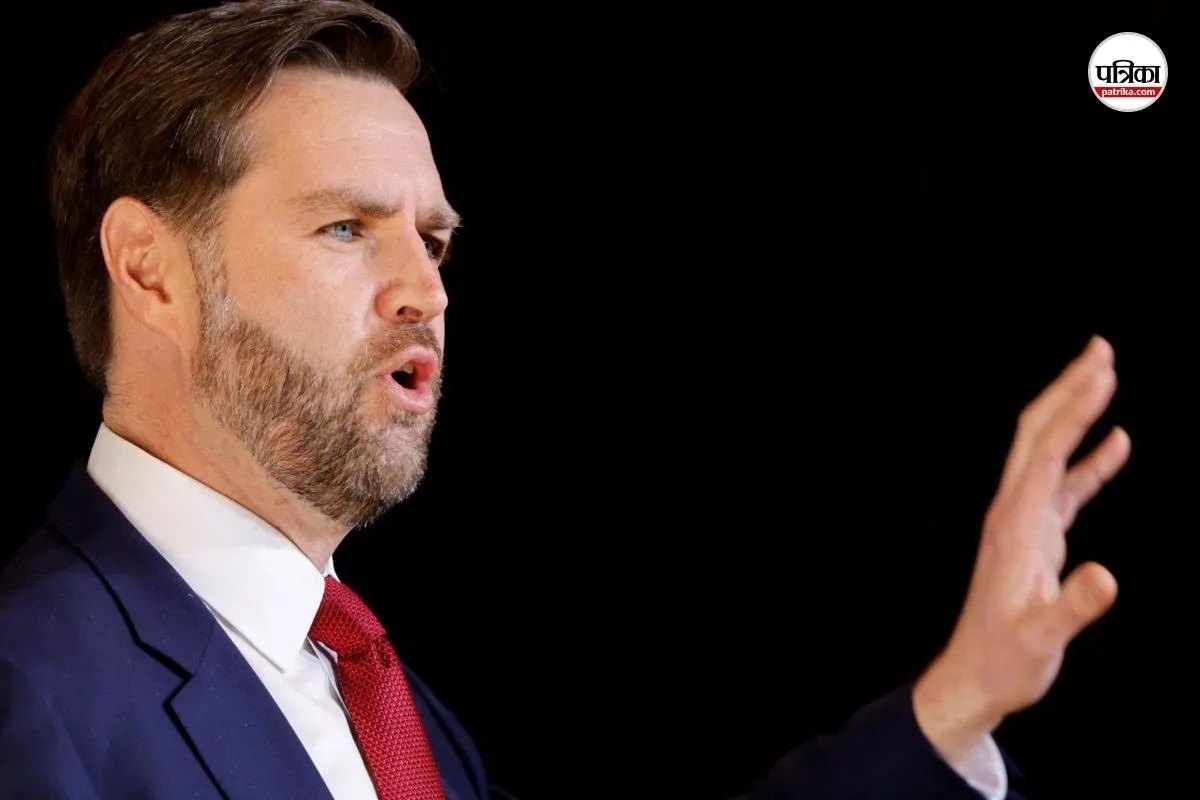
The geopolitical chessboard just shifted. Donald Trump is not even back in the Oval Office yet, but his shadow cabinet is already re-engineering the mechanics of Middle Eastern diplomacy. While the mainstream press fixates on standard diplomatic cables, a far more aggressive and unconventional strategy is unfolding. JD Vance has reportedly utilized Pakistani intermediaries to deliver a blunt, uncompromising ultimatum to Tehran. This is not the cautious "strategic patience" of the previous decade. It is a calculated return to maximum pressure, stripped of the bureaucratic niceties that usually define State Department interactions.
The core premise is simple. Trump and Vance are signaling that the era of containing Iran through indirect proxy skirmishes is over. By using Pakistan—a nation with deep historical ties to both the Gulf monarchies and the Iranian border—the incoming administration is bypassing traditional Western channels that they view as compromised or ineffective. They are telling Iran that the cost of regional destabilization will no longer be paid by proxies in Lebanon or Yemen, but directly by the regime in Tehran. You might also find this related coverage useful: Strategic Asymmetry and the Kinetic Deconstruction of Iranian Integrated Air Defense.
The Pakistani Conduit and Why It Matters
Using Islamabad as a messenger is a masterstroke of cold-blooded pragmatism. Pakistan shares a volatile 900-kilometer border with Iran and has a vested interest in preventing a full-scale regional conflagration that would inevitably spill over its frontiers. Historically, Pakistan has played a delicate balancing act between its neighbor, Iran, and its financial patrons in Riyadh.
By pushing a message through Pakistani intelligence or diplomatic circles, Vance is tapping into a network that the Iranians cannot simply ignore. It carries more weight than a public statement from a podium in Washington. It suggests that the U.S. is willing to coordinate with regional players who actually have skin in the game. This isn't just about sending a letter; it’s about demonstrating that the U.S. can squeeze Iran from its own backyard. As extensively documented in detailed articles by USA Today, the effects are worth noting.
The message itself focuses on one non-negotiable demand. Any escalation against American assets or allies will be met with a kinetic response that targets the internal stability of the Iranian state. Vance is essentially removing the "plausible deniability" shield that Iran has used for forty years.
Dismantling the Proxy Shield
For decades, the Islamic Revolutionary Guard Corps (IRGC) has operated under the assumption that they could fight the U.S. and Israel to the last Lebanese, Iraqi, or Yemeni soldier. This strategy of "forward defense" allowed Tehran to remain a sanctuary while the rest of the region burned.
The ultimatum delivered via Pakistan changes that calculus.
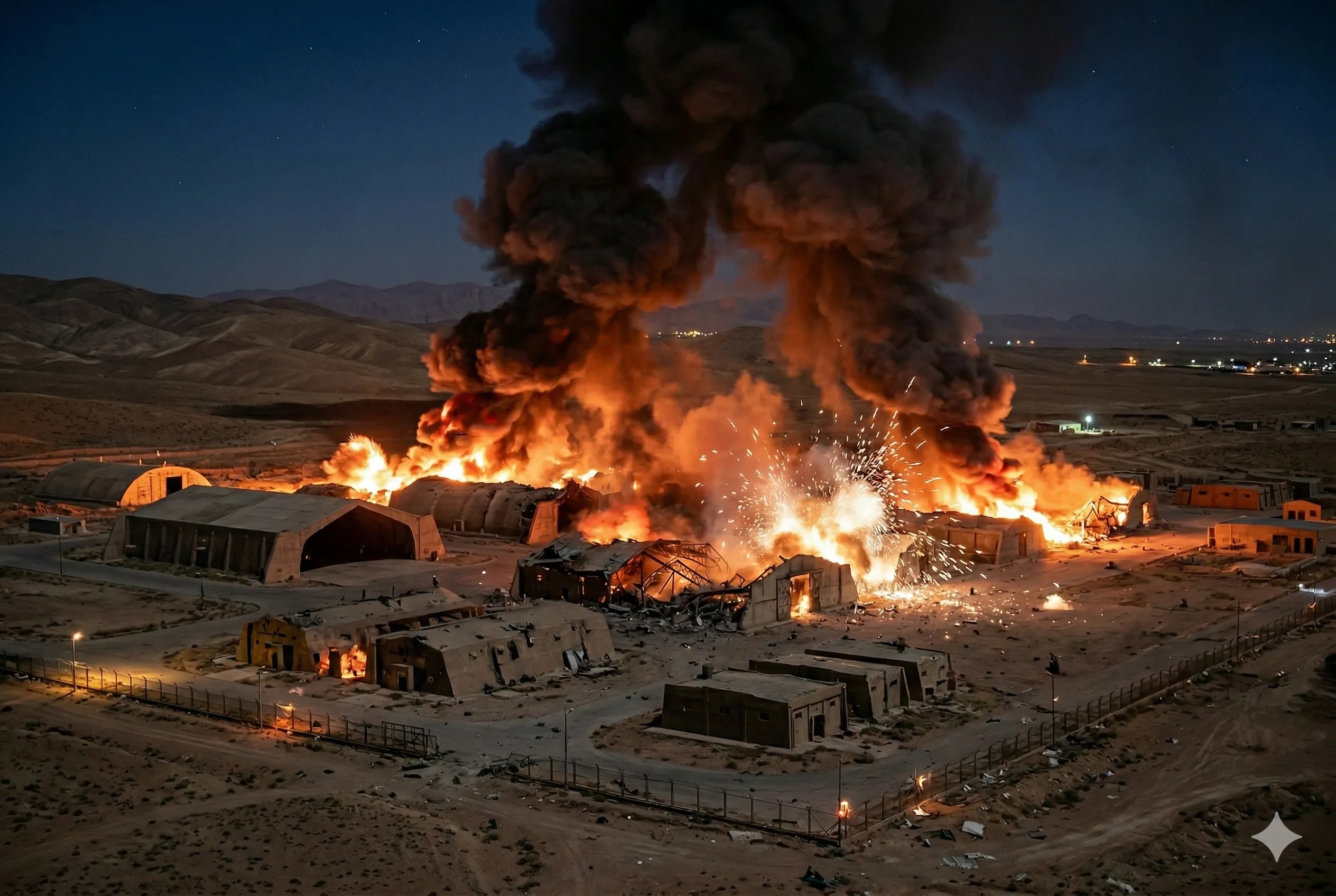
Under the proposed Trump-Vance doctrine, the "Grey Zone" is dead. If a drone launched by an Iraqi militia kills an American service member, the retaliation will not be a precision strike on a desert warehouse in Anbar. It will be a strike on the decision-makers in Tehran. This shift from proportional response to asymmetric escalation is designed to induce a specific type of paralysis within the Iranian leadership.
The Economic Hammer
Beyond the threat of military force, the backchannel communication emphasized the total economic isolation of the Iranian regime. We are looking at a "Maximum Pressure 2.0" that aims to plug the remaining leaks in the sanctions regime.
- The China Factor: The U.S. will likely pressure Beijing to cease its "teapot" refinery purchases of Iranian crude, threatening secondary sanctions on Chinese financial institutions.
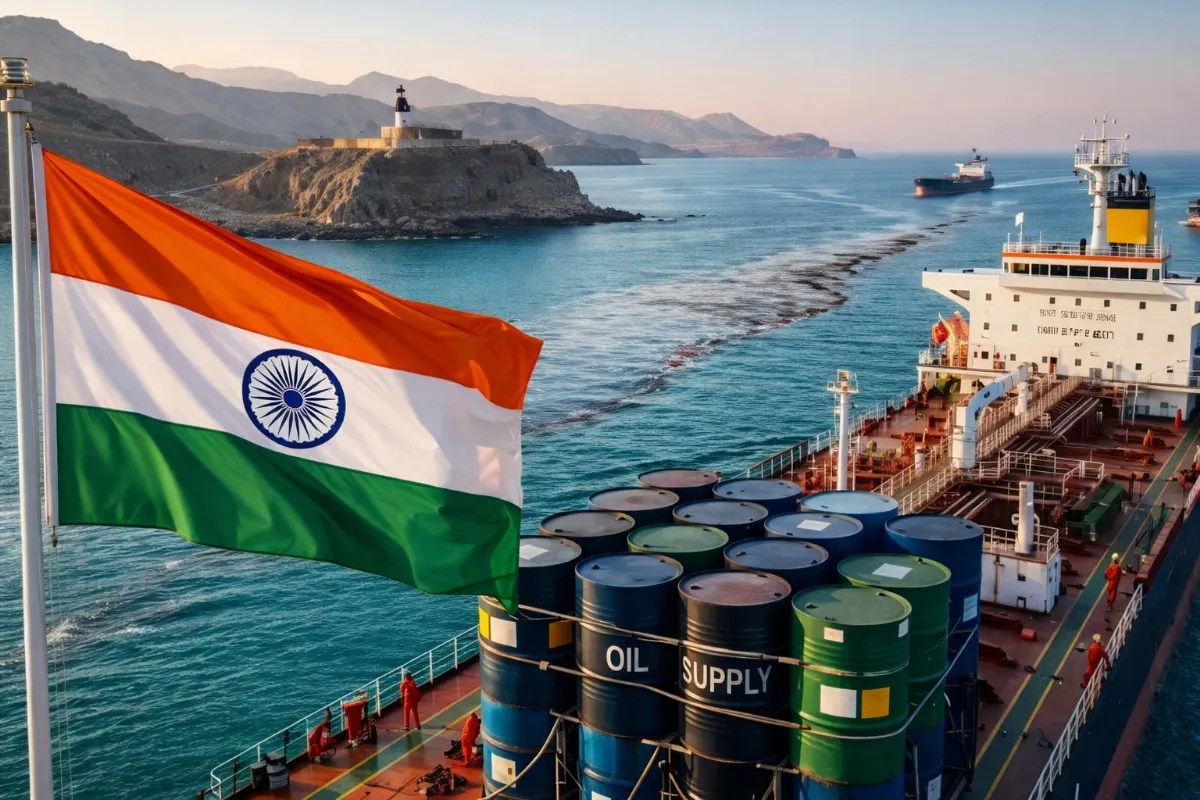
- The Shadow Fleet: Aggressive maritime interdiction of the aging tankers Iran uses to bypass oil export bans.
- Internal Pressure: Direct support for the simmering domestic dissent within Iran, framing the regime's regional adventures as the primary cause of the Iranian people's poverty.
JD Vance and the Realist Turn
JD Vance represents a specific brand of American realism that is often misunderstood. He is not an isolationist; he is a prioritizer. His involvement in this Iranian ultimatum shows a desire to settle the Middle Eastern "distraction" quickly so the U.S. can focus on the Indo-Pacific.
Vance understands that Iran is the "head of the snake" in the Middle East. By delivering a credible threat of overwhelming force, he hopes to freeze the conflict. This is diplomacy through the lens of deterrence rather than dialogue. He isn't interested in a new nuclear deal that monitors centrifuges. He is interested in a regional arrangement where Iran is too terrified of the consequences to act.
This approach carries immense risk. If Tehran views the ultimatum as an existential threat with no diplomatic off-ramp, they may decide that their only hope is to sprint for a nuclear weapon before Trump is inaugurated. It is a high-stakes gamble that assumes the Iranian leadership values survival over ideological purity.
The Regional Reaction
The Gulf monarchies, particularly Saudi Arabia and the UAE, are watching this with cautious optimism. They felt abandoned during the 2019 attacks on the Abqaiq–Khurais oil facilities when the U.S. failed to launch a direct counter-strike against Iran. The Vance ultimatum is the reassurance they have been waiting for.
However, Pakistan is in a tighter spot. Acting as the postman for an American threat puts Islamabad in the crosshairs of Iranian retaliation. Why would they take the risk? Because the Pakistani economy is on life support, and the promise of American financial leniency or support within the IMF is a powerful motivator.
This isn't about friendship. It is about a transactional alignment of interests where everyone knows exactly what is on the line.
The Looming Confrontation
The transition period between administrations is always a window of extreme danger. Iran may choose to test the resolve of the incoming team before they even take the oath of office. If the IRGC-backed groups in the Red Sea or the Levant escalate their attacks now, it will force Vance and Trump to prove that the ultimatum wasn't just a bluff.
We are seeing a fundamental rewrite of the rules of engagement. The old playbook of summits, treaties, and incrementalism has been shredded. In its place is a raw, power-based negotiation style that seeks to win through intimidation rather than consensus.
The Iranian regime is now facing a version of the United States that is no longer interested in managing the status quo. Washington is now looking to break it. The message sent through Pakistan is the first crack in the foundation of the Middle East’s old order.
If the Iranians miscalculate and assume this is the same Washington they have outmaneuvered for the last four years, they will find themselves staring at a military and economic response that doesn't care about regional stability or international approval. The JD Vance ultimatum is a warning that the window for a quiet life in Tehran is closing fast.
Action will now define the next four years, and that action starts with a clear, credible threat delivered through a neighbor they cannot ignore. The era of the proxy is over. The era of the target has begun.