The air inside an NBA arena in the final four seconds of a tie game isn’t actually air. It is a thick, pressurized soup of carbon dioxide, expensive cologne, and the collective anxiety of 19,000 people who have forgotten to exhale. Down on the hardwood, the physics of the game give way to something more primal. The squeak of rubber soles sounds like a high-pitched scream.
LeBron James stood at the perimeter, the ball cradled in his palms like a holy relic. He is 39 years old. In basketball years, he is an ancient deity walking among mortals, a man whose career is now long enough to have its own cinematic universe. He has seen this exact digital clock—0:04, 0:03, 0:02—thousands of times. He knows the math. He knows the trajectory. He knows that in this moment, he isn't just playing against the Orlando Magic; he is playing against the inevitable decay of time itself.
The Los Angeles Lakers were supposed to walk away with this one. They held a late lead, the kind of cushion that usually allows the stars to start thinking about their post-game ice baths and the drive home through the muffled streets of L.A. But the Magic, a young, hungry squad led by the precocious Franz Wagner, refused to follow the script. They chipped away. They bit at the heels of the giants. When the dust settled in the final minute, the Lakers found themselves staring at a scoreboard that had turned cruel.
Basketball is a game of extreme precision disguised as chaos. We talk about "clutch genes" and "mamba mentality" as if they are mystical spells, but the reality is more mechanical and far more heartbreaking. To hit a buzzer-beater, a player must account for the lactic acid screaming in their thighs, the sweat stinging their eyes, and the fact that a six-foot-ten defender is trying to occupy the same physical space as their soul.
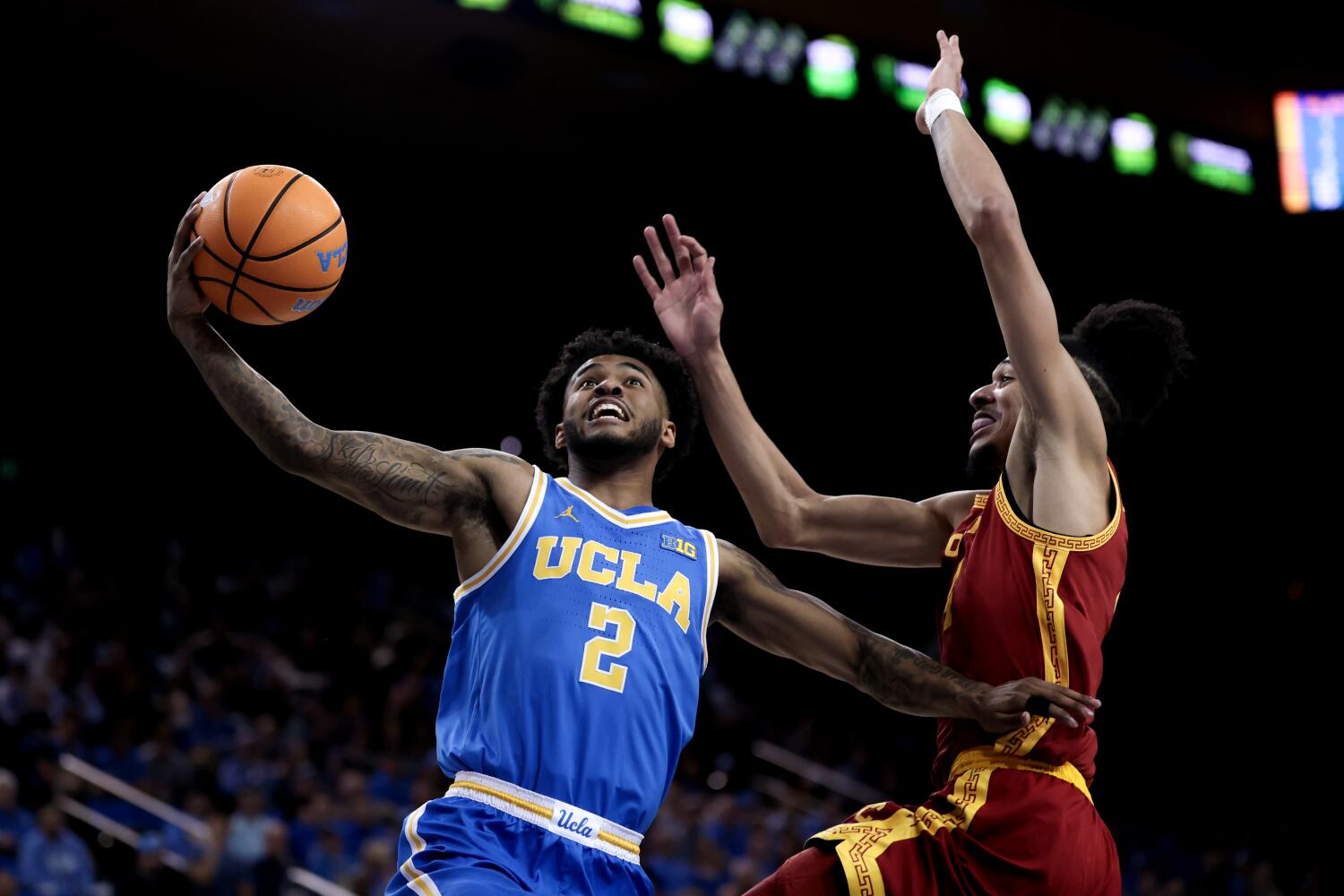
LeBron rose for the triple. It was the shot he has made a thousand times in his backyard, in high school gyms in Akron, and on the grandest stages the world can offer. The form was textbook. The release was high. The arc was a perfect, sweeping bridge toward salvation.
Then came the sound.
There is a specific, hollow clack that occurs when a basketball hits the back of the rim instead of the nylon. It is the sound of a balloon popping at a funeral. The ball danced on the iron, teased the net, and then took a hard, indifferent bounce away from the hoop. The buzzer sounded, a long, flat monotone that signaled the end of the hope. Lakers fall. Magic win.
The box score will tell you that the Lakers lost by a handful of points. It will list field goal percentages and turnover counts. It will show you that LeBron had a productive night by any statistical measure. But the box score is a liar. It doesn't capture the way Anthony Davis looked at the floor, or the way the younger Orlando players celebrated with a kinetic energy that felt like a changing of the guard.
Consider the psychological toll of being the "chosen one" for two decades. Every miss is analyzed by a global jury. Every loss is a referendum on a legacy. When a young player misses a game-winner, we call it a learning experience. When LeBron misses one, the world looks for cracks in the armor. They wonder if the King is finally tired.
The Orlando Magic didn't win because of a fluke. They won because they exploited the Lakers' late-game stagnation. While Los Angeles leaned on the brilliance of their aging centerpiece, Orlando moved with the frantic, unpredictable rhythm of a team that doesn't know it’s supposed to be intimidated. Franz Wagner played like a man who had spent his entire life waiting for this specific Tuesday night. He wasn't playing against a legend; he was playing against a jersey. That lack of reverence is exactly what makes young teams dangerous.
Inside the locker room, the silence is different after a buzzer-beater loss. It isn't the frustrated noise of a blowout. It is a heavy, contemplative quiet. The players know that the margin between a standing ovation and a silent walk to the tunnel is roughly two inches of leather on a steel rim. If that ball is two inches shorter, the narrative tomorrow is about the timelessness of greatness. Because it was two inches long, the narrative is about a team struggling to find its identity in a Western Conference that is getting younger and faster every day.
We watch sports because we want to see the impossible made routine. We want to see the hero hit the shot because it reinforces the idea that if you work hard enough and stay focused enough, you can control the outcome of your life. But nights like this serve as a grounding, humanizing reminder. Even the best to ever do it are subject to the whims of a bouncing ball. Even the King has nights where the magic simply isn't there.
The lights in the arena eventually dim. The janitorial crews move through the stands, sweeping up the discarded popcorn buckets and the crumpled programs. The roar of the crowd is replaced by the low hum of industrial vacuums. Out in the parking lot, the fans are already debating what went wrong, their voices disappearing into the humid California night.
In the end, it wasn't just a missed shot. It was a moment of profound vulnerability from an athlete who has spent a lifetime appearing invulnerable. The ball didn't go in, the clock hit zero, and for a few seconds, the greatest player of a generation was just a man standing in the dark, watching someone else celebrate on his floor.
The rim is eighteen inches in diameter. Sometimes, it feels as wide as the ocean. Other times, like tonight, it looks no bigger than a wedding ring, impossible to touch, and even harder to hold onto.