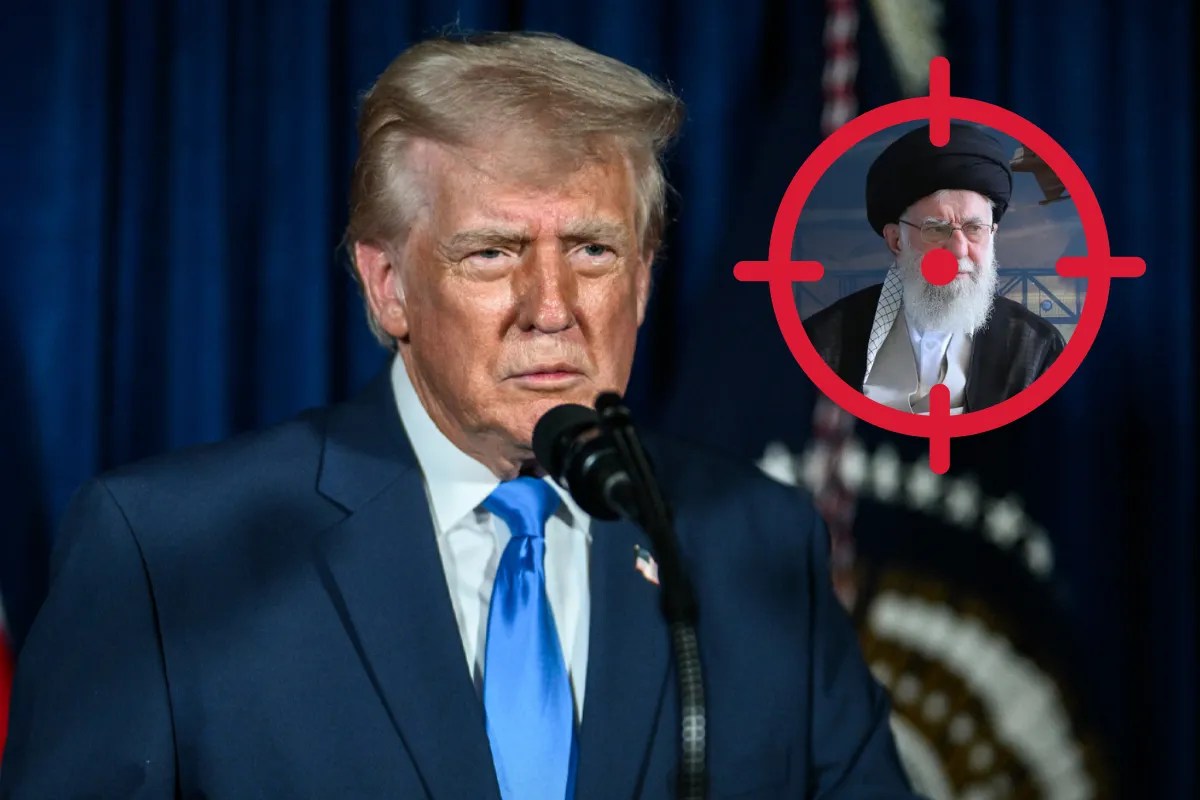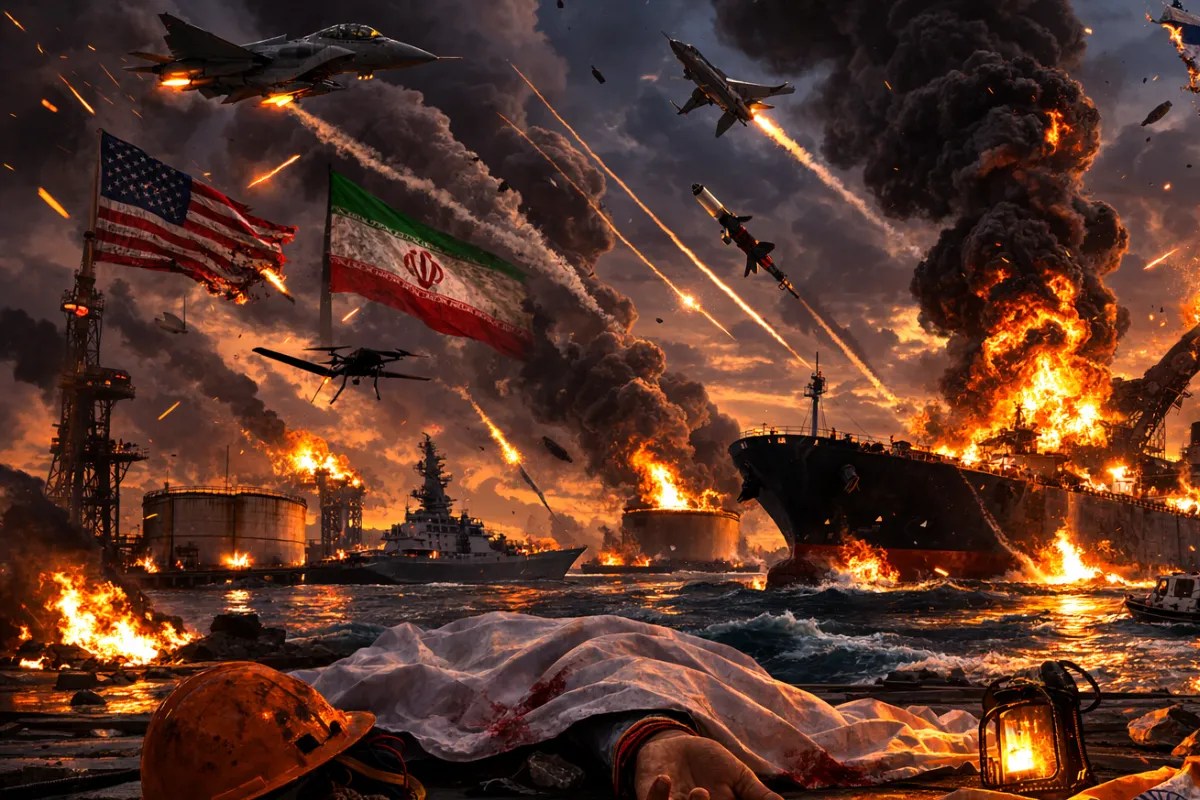
Geopolitical pundits love a good villain. They circle the map, red sharpies in hand, ready to cross out the next "rogue state" as if international relations were a game of Battleship. Right now, the Washington echo chamber is vibrating with talk of the next domino to fall after Iran. They talk about "regime change" as a moral necessity or a strategic masterstroke.
They are wrong. They are chasing a 20th-century ghost in a 21st-century machine.
The obsession with toppling specific political figures—whether in Tehran or whichever capital is currently trending on the State Department’s "naughty" list—ignores a brutal reality. We don't live in an era of sovereign kings anymore. We live in an era of interconnected systemic fragility. Toppling a regime in the modern age isn't like removing a tumor; it’s like pulling a thread on a global sweater that’s already unraveling.
The Regime Change Fallacy
The "lazy consensus" suggests that if you remove the bad actors at the top, a vacuum of "freedom" naturally fills the space. I’ve watched this play out from the inside of policy circles and corporate boardrooms for twenty years. It never works that way.
When you decapitate a regime in a modern, globalized economy, you don't get a Jeffersonian democracy. You get a failed state with high-speed internet. You get a black hole that sucks in regional stability, disrupts supply chains, and creates a migrant crisis that destabilizes your allies more than your enemies.
The people shouting for the next regime change are usually the ones who don't have to manage the fallout. They aren't the logistics managers trying to route semiconductors around a newly minted war zone. They aren't the energy traders watching the Brent crude spread explode because a "target" country decided to set its own wells on fire rather than hand over the keys.
Stop Targeting Leaders And Start Targeting Leverage
The smarter play—the one nobody in DC wants to admit because it isn't "cinematic"—is to stop trying to change who sits in the palace and start changing what the palace can actually do.
True power in 2026 isn't found in a presidential decree. It’s found in the control of capital flows and digital infrastructure.
If you want to neutralize a threat, you don't need a "regime change." You need a systemic decoupling.
- Weaponize the Ledger, Not the Missile: Physical intervention is expensive, messy, and creates martyrs. Financial isolation, when done with surgical precision rather than blunt-force trauma, is far more effective.
- Infrastructure Sovereignty: The real "regime" in many of these target countries isn't the guy on the posters. It's the technical stack they use to monitor their citizens and trade their resources.
- The Talent Drain: Why invade a country when you can simply offer its top 1% of engineers and scientists an O-1 visa? A regime without its brains is just a group of old men shouting into a void.
The Myth of the "Next Target"
The headlines are currently buzzing about which ally of the former Iranian administration is "next." This is a distraction. It assumes that global power is a ladder where you just knock off the person on the rung above you.
In reality, power is a web.
When you target a country like Venezuela or a specific faction in the Middle East, you aren't just hitting that country. You are hitting the Chinese creditors who own their debt. You are hitting the Indian refineries that process their heavy crude. You are hitting the European banks that are still, despite all the sanctions, laundering the "grey market" profits through shell companies in Dubai.
The "Regime Change" crowd assumes the target exists in a vacuum. I’ve seen portfolios wiped out because a "pro-democracy" intervention in a small nation triggered a margin call on a massive sovereign wealth fund halfway across the planet.
The Cost of Being Right
Let’s talk about the downsides of my approach. Financial isolation and systemic decoupling take time. They aren't satisfying for a 24-hour news cycle. They don't provide "Mission Accomplished" banners.
But they work.
Consider the "Sanctions Paradox." When we apply broad, sweeping sanctions to force a regime change, we often inadvertently strengthen the regime’s grip. Why? Because the government becomes the only entity capable of distributing scarce resources. You turn the dictator into the only grocery store in town.
If you want to actually "disrupt" a hostile power, you shouldn't be rooting for its collapse. You should be rooting for its irrelevance.
The People Also Ask (And Get The Wrong Answer)
- "Who is the next regime change target?" Wrong question. The question is: Which nation's instability poses the greatest risk to the global $100 trillion GDP?
- "Will regime change bring stability?" History says no. From Libya to Iraq, the "after" is always more expensive than the "before." Stability comes from institutional strength, not the absence of a tyrant.
- "Can we afford to do nothing?" Doing nothing isn't the alternative. Strategic containment and aggressive economic competition are far more "active" than simply dropping bombs and hoping for the best.
The Corporate Complicity
The most glaring omission in the "Top Ally" article is the role of global corporations. These "regime change" targets don't exist in a bubble. They are powered by Western software, fueled by global commodities markets, and protected by legal structures in London and New York.
If a "top ally" really wanted to change a regime, they wouldn't start with the military. They would start by auditing the law firms in their own capital.
We love the narrative of the "regime" as a monster under the bed. It makes for great politics. But in the boardroom, we know the truth: these regimes are customers, competitors, or collateral.
The Scenario You Aren't Considering
Imagine a scenario where the "next target" actually falls tomorrow.
The immediate result isn't a stock market rally. It’s a massive liquidation event. You have millions of people with no functioning currency, a fractured military with access to advanced weaponry, and a complete breakdown of the shipping lanes that move 20% of the world's grain or oil.
Is that "success"? Or is that just a different kind of failure?
We need to move past the binary of "Pro-Regime" vs. "Regime Change." It’s a false choice designed to sell newspapers and justify defense budgets. The real world operates on leverage and dependency.
If you want to win the "next" conflict, stop looking for a leader to topple. Look for the dependency to exploit.
Stop thinking like a general and start thinking like a short-seller. You don't want to destroy the company; you want to profit from its inevitable decline while making sure you aren't holding the bag when the doors finally lock.
The era of the "Regime Change" hero is over. Welcome to the era of the systemic auditor. If you’re still looking for the "next target," you’ve already lost the game.
Go back to the map. Put the red sharpie away. Start looking at the fiber-optic cables and the bank routing numbers. That’s where the real regime change happens, and it doesn't require a single troop on the ground.
Don't wait for the coup. Build the bypass.